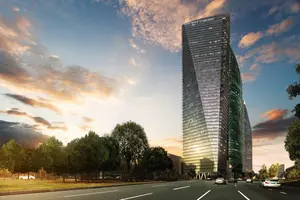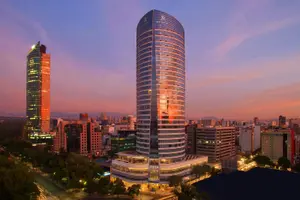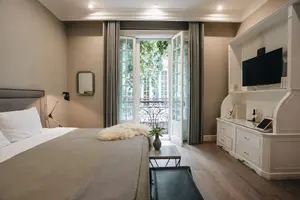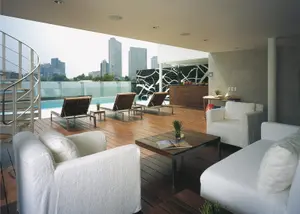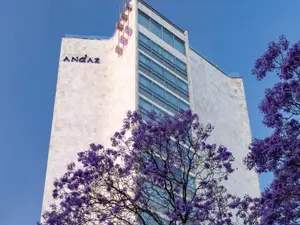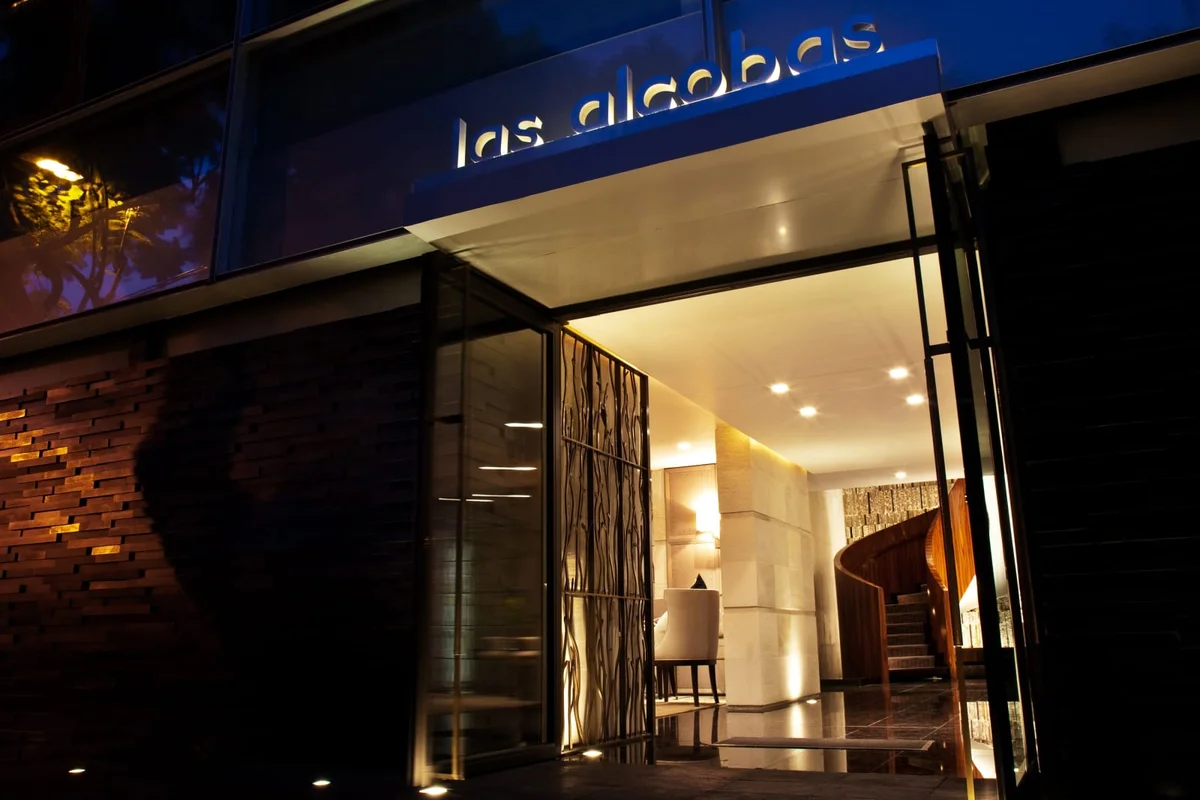
Las Alcobas, a Luxury Collection Hotel, Mexico City
When you book Las Alcobas, a Luxury Collection Hotel, Mexico City in Mexico, through our Marriott STARS partnership, your stay includes daily breakfast for two and a $100 USD hotel credit once per stay. You also receive a room upgrade when available. You continue earning Marriott Bonvoy points and elite night credits. No premium credit card or membership needed: request a quote and our advisor books it at the same rate as booking direct.
Exclusive Booking Perks
These perks are included with your stay at the same rate as booking direct with the hotel.
- Personalized and customized amenity
- Complimentary breakfast daily for two guests per room
- All STARS hotels offer a hotel credit valued at $100 USD (once per stay)
- Early check-in and late check-out (when available)
- Complimentary upgrade (if available at check-in)
Guest feedback
9.8/10 from 105 guest reviews
Read what guests commentedBy category
Guests liked
- Excellent service
- Good location
Location
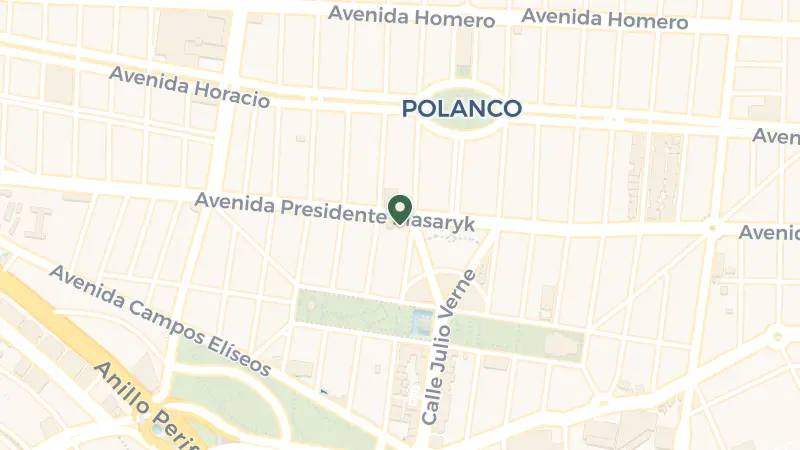
The Luxury Collection brings over a century of hospitality heritage to each of its properties, selecting only those hotels that possess a singular character and deep roots in their locale. In Polanco, one of Mexico City's most refined neighbourhoods, this philosophy finds expression through a property that mirrors the district's evolution from residential enclave to cultural crossroads. The streets here hum with a particular energy: galleries open onto leafy sidewalks, cafés spill into courtyards shaded by jacaranda trees, and the scent of fresh pan dulce drifts from corner bakeries even as luxury boutiques line Presidente Masaryk Avenue, Mexico's most expensive shopping street.
Polanco sits within the Miguel Hidalgo borough, a district that has worn many identities since the Valley of Mexico first cradled Aztec civilization. The neighbourhood's current incarnation balances haute commerce with cultural gravitas. Two kilometres south, the Luis Barragán House and Studio, a UNESCO World Heritage site built in 1948, stands as a masterwork of postwar architecture, its geometric play of light and colour still teaching lessons in restraint. Seven kilometres east, the Historic Centre of Mexico City and Xochimilco sprawls across the ruins of Tenochtitlan, the Aztec capital conquered in 1521 and rebuilt as the Spanish colonial heart of New Spain.
Mexico City Benito Juárez International Airport lies thirteen kilometres southeast, a half-hour drive through the city's arteries. The altitude here, 2,240 metres above sea level, lends the light a crystalline quality that photographers chase and newcomers feel in their quickened breath.
Polanco's gastronomic reputation rests on two pillars, both within walking distance. Pujol, Enrique Olvera's two-starred landmark three hundred metres away, has defined modern Mexican cuisine for two decades, its tasting menu a study in heritage and innovation served in a breezy contemporary space where black-suited servers move with quiet precision. Seven hundred metres north, Quintonil earns its two stars through Jorge Vallejo and Alejandra Flores's devotion to Oaxacan ingredients, the Quintonil herb that lends its name appearing in dishes that feel simultaneously ancestral and radically new. Book a table weeks in advance for either. Three kilometres distant, Esquina Común operates by different rules: reservations arrive only through Instagram direct message, but the one-starred creative Mexican menu rewards persistence.
The Luis Barragán House and Studio demands a morning visit. Built by the architect as his own residence, the 1948 structure teaches volumes through its silence, pink walls catching sunlight in ways that shift hour by hour. Seven kilometres southeast, the Historic Centre contains five Aztec temples buried beneath Spanish colonial ambition, the National Palace among them. The Aztec sun stone, carved in 1510, resides nearby. Closer still, the Diana the Huntress fountain presides over a roundabout with the poise of a neighbourhood guardian. Start with the Academy of San Carlos, founded in 1781, where Mexico's artistic lineage traces back through centuries of teaching and creation.
Winter stretches from December through February, when mornings break cool and dry under skies scrubbed clean by altitude. Temperatures climb from seven degrees to twenty-one by midday, and the city moves at its most urgent pace, cafés filling early, museums crowded by late morning. Rain stays away, leaving dust to settle on park benches and fountain edges.
Spring arrives in March with rising warmth and the first tentative showers. By May, afternoon thunderstorms roll across the valley with theatrical menace, temperatures hovering near twenty-five degrees before the clouds break. The jacarandas bloom purple, their petals carpeting sidewalks in drifts that turn to mulch underfoot. Summer, from June through September, brings the heaviest rains and the softest light, temperatures dropping to the low twenties as the city breathes deeper, greener, slower.
October through November offers the most forgiving weather: warm days, cool nights, diminishing rain. The air clears, and the volcanic peaks of Popocatépetl and Iztaccíhuatl emerge on the horizon, their snowcaps visible from rooftops across Polanco.
Frequently Asked Questions

Quotes are personally reviewed by Natasha Hardy, founder of The Uncommon Traveller
5.0 rating · 8 Google reviewsThere is no fee or markup. The hotel pays our commission.
Request a Quote 26 Bib Gourmand