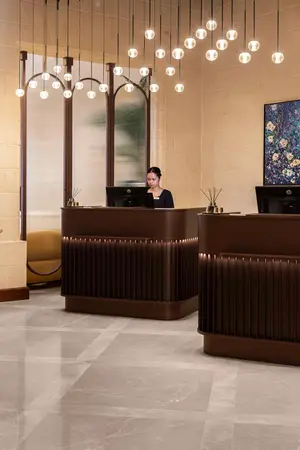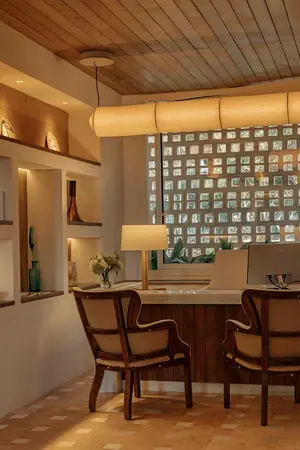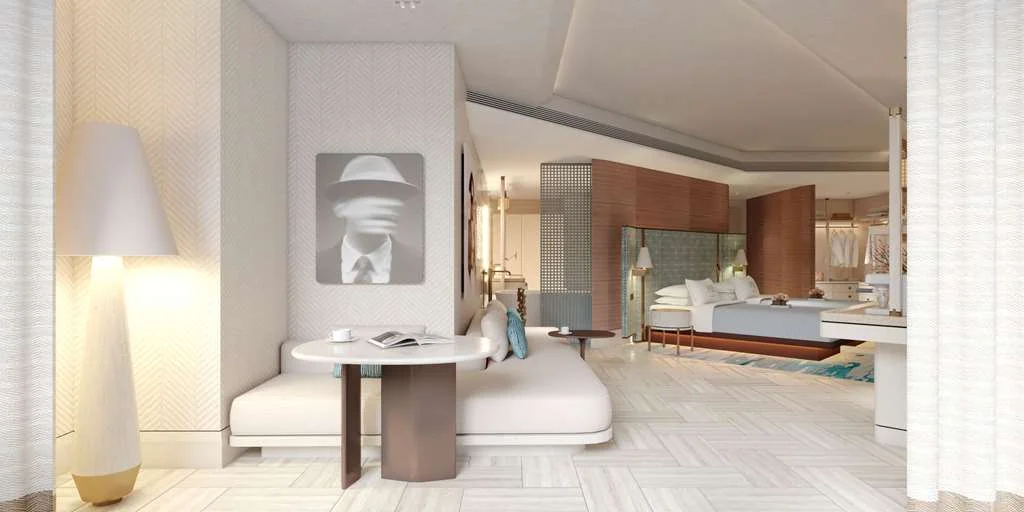
ME Malta by Meliá
When you book ME Malta by Meliá in St. Julian's, Malta, through our MeliaPro Bravos partnership, your stay includes daily breakfast for two and welcome amenities. You also receive early check-in or late check-out when available. No premium credit card or membership needed: request a quote and our advisor books it at the same rate as booking direct.
Exclusive Booking Perks
These perks are included with your stay at the same rate as booking direct with the hotel.
- Daily breakfast for two/ room
- $100 USD hotel credit (once per stay), subject to a 3-nights minimum length of stay
- VIP welcome amenities
- Guaranteed early check-in at 10 a.m. OR late check-out at 4 p.m. at the time of reservation
- 20% extra MeliaRewards points per Suite or Villa booking.
- Priority on waitlists in sold-out situations
- Priority for requested room category, bed type, rollaway beds, and connecting rooms
Location
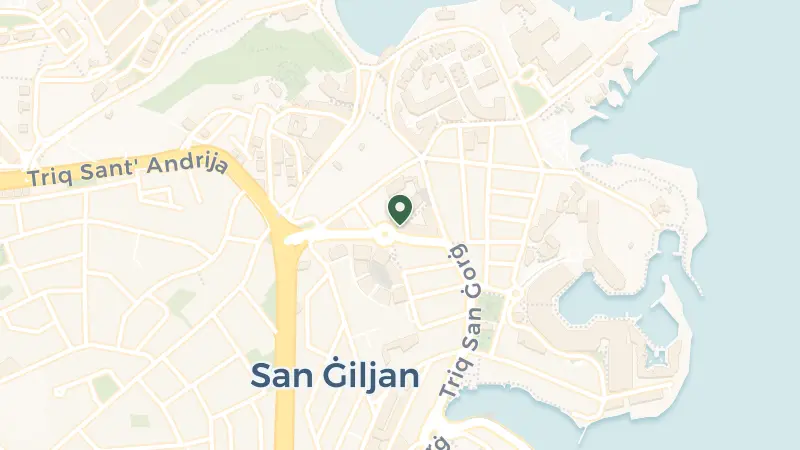
St. Julian's unfolds along Malta's northeastern coast, a compact town where honey-coloured limestone buildings cascade toward a Mediterranean that shifts from cobalt to turquoise depending on the light. The shoreline here is all angular promontories and narrow bays, the sea slapping against weathered rock at Balluta Bay, where art nouveau balconies overhang the water. Paceville, the entertainment quarter, thrums after dark, but step beyond its neon glow and the town reveals quieter pleasures: fishermen mending nets at Spinola Bay, elderly men playing cards outside corner bars, the scent of pastizzi drifting from bakeries at dawn.
Three kilometres south, Valletta rises from its peninsula, the fortified capital built by the Knights of St John after the Great Siege of 1565. Its grid of steep streets, designed by Francesco Laparelli, is lined with baroque palaces and churches whose bells mark the hours. The Ħal Saflieni Hypogeum, a subterranean necropolis carved around 2500 BC, lies six kilometres inland, its chambers descending through three levels of coralline limestone.
Malta International Airport sits nine kilometres southwest. Taxis and airport shuttles connect to St. Julian's in under twenty minutes, the route tracing the coast past Sliema's promenades and marinas where yachts bob against their moorings.
Start with the Michelin-starred dining that has put Malta on the culinary map. ION Harbour by Simon Rogan, perched on Sliema's seafront four kilometres west, commands two stars for its seasonal tasting menus and harbour views. Closer to hand, Rosamì occupies a Maltese villa overlooking Balluta Bay less than a kilometre away, its single star a draw for romantic evenings. Book a table at Fernandõ Gastrotheque in Sliema, two kilometres south, where the evolving tasting menus shift with the seasons and the intimate dining room fills quickly.
Beyond the table, the coast beckons. The Portomaso Marina sits half a kilometre north, a starting point for diving excursions to the HMS Maori wreck or the Um El Faroud, twelve kilometres offshore. Walk the waterfront to Saint George's Beach or Balluta Bay for morning swims, or venture inland to the Royal Malta Golf Club, five kilometres west across the island. Valletta's grid demands at least an afternoon: the Grand Master's Palace, St John's Co-Cathedral with Caravaggio's canvases, the views from the Upper Barrakka Gardens across Grand Harbour. Don't miss the Sunday fish market at Marsaxlokk, ten kilometres south, where the day's catch gleams on ice beneath coloured luzzu boats.
Summer arrives without apology. July and August deliver relentless sun, temperatures climbing past twenty-seven degrees, the stone streets radiating heat long after sunset. The sea warms to bathwater temperatures, beaches fill early, and the island's rhythm slows to match the stillness of midday. This is Malta at its most archetypal: blue sky, white limestone, the scent of salt and rosemary baking in the heat.
Autumn and spring offer gentler pleasures. May and September bring warm days without the summer crush, the light softer, the sea still swimmable. Wildflowers carpet the countryside in spring, and outdoor cafés extend their seasons at both ends.
Winter is mild but unpredictable. December through February see temperatures dip to the low teens, rain arriving in fitful bursts that darken the limestone and send locals indoors. The islands feel quieter, more themselves, the tourist veneer stripped back to reveal a slower, more introspective character.
Frequently Asked Questions

Quotes are personally reviewed by Natasha Hardy, founder of The Uncommon Traveller
5.0 rating · 8 Google reviewsThere is no fee or markup. The hotel pays our commission.
Request a Quote 5 Bib Gourmand