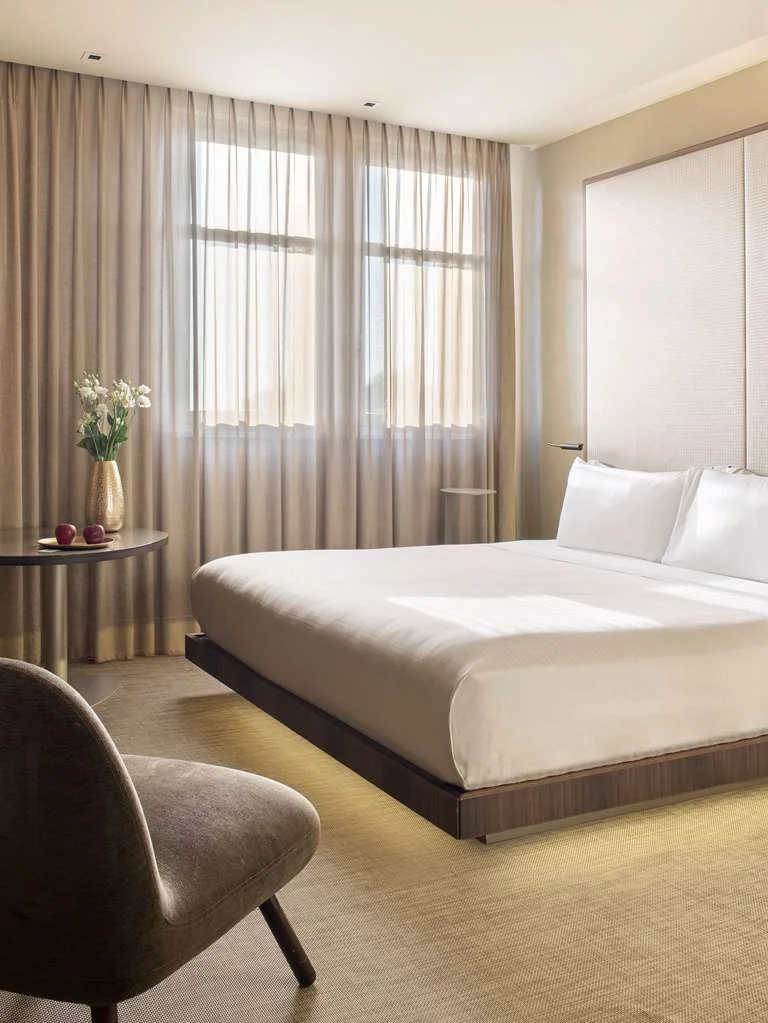
ME Milan - Il Duca
When you book ME Milan - Il Duca in Italy through our MeliaPro Bravos partnership, your stay includes daily breakfast for two and welcome amenities. You also receive early check-in or late check-out when available. No premium credit card or membership needed: request a quote and our advisor books it at the same rate as booking direct.
Exclusive Booking Perks
These perks are included with your stay at the same rate as booking direct with the hotel.
- Daily breakfast for two/ room
- $100 USD hotel credit (once per stay), subject to a 3-nights minimum length of stay
- VIP welcome amenities
- Guaranteed early check-in at 10 a.m. OR late check-out at 4 p.m. at the time of reservation
- 20% extra MeliaRewards points per Suite or Villa booking.
- Priority on waitlists in sold-out situations
- Priority for requested room category, bed type, rollaway beds, and connecting rooms
Guest feedback
9.2/10 from 1,097 guest reviews
Read what guests commentedBy category
Guests liked
- Great staff
- Excellent location
- Clean rooms
Points to consider
- Overpriced
- Some room issues
Location
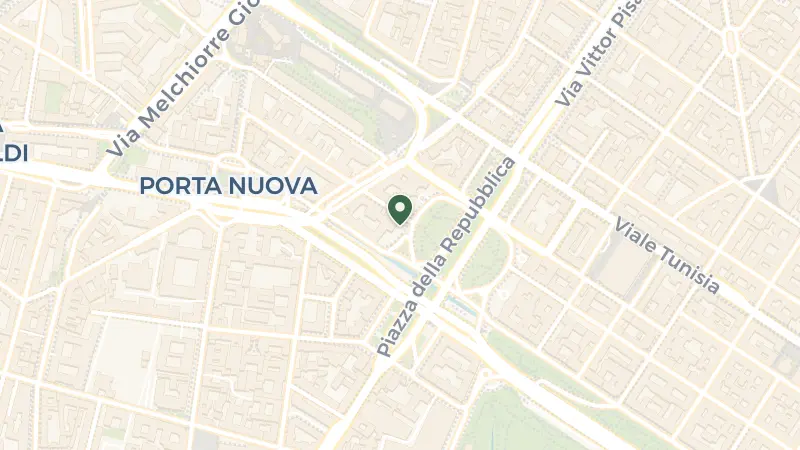
ME Milan operates under Meliá's lifestyle flag, a brand pitched toward a culturally curious, design-forward crowd. The property sits in Centrale, the handsome 19th-century district radiating from Milano Centrale station, a monument to 1930s Fascist-era rationalism whose soaring vaulted concourse remains one of the city's most photographed interiors. The neighbourhood hums with a cosmopolitan pulse: morning espresso counters thick with commuters, wide tree-lined avenues built for strolling, the occasional whiff of fresh-baked focaccia drifting from corner bakeries.
Milan itself is Italy's economic engine, a city where Roman foundations gave way to medieval Visconti power and then to Renaissance brilliance under the Sforza dukes. The Naviglio della Martesana, a canal engineered in the 15th century, once linked the city to the Adda River, though most of the historic waterways are now paved over or tucked into quiet corners. Today's Milan is relentlessly modern, fashion-obsessed, and unapologetically wealthy, yet its artistic patrimony runs deep.
Linate Airport lies seven kilometres southeast, a twenty-minute drive when traffic cooperates. Malpensa, the larger international gateway, sits forty kilometres northwest. Both connect by shuttle and rail to Centrale, making arrivals swift.
The serious eating in Milan demands movement. Enrico Bartolini al Mudec, four kilometres southwest inside the Museum of Cultures, holds three Michelin stars for intensely flavoured dishes that shift between classic Italian foundations and Bartolini's globe-spanning curiosity. Book weeks ahead. Andrea Aprea commands two stars just 900 metres away, where the open kitchen occupies the top floor of Fondazione Luigi Rovati's art museum, pasta courses punctuated by glimpses of Etruscan bronzes below. The surrounding Centrale district favours speed over ceremony: I Dilettanti Wine Bar, 600 metres from the hotel, pours natural wines alongside salumi plates, while La Vineria 2 serves regional bottles at marble-topped tables 300 metres closer still.
Cultural weight sits two kilometres west at the Church and Dominican Convent of Santa Maria delle Grazie, where Leonardo's Last Supper occupies the refectory wall, painted between 1495 and 1498. Timed entry only; reserve months in advance. The Pinacoteca di Brera, founded 1776, holds Mantegna's Dead Christ and Caravaggio's Supper at Emmaus in frescoed galleries north of the Duomo. The Museo della Scienza e della Tecnologia, established 1953, displays Leonardo's engineering sketches alongside vintage locomotives in converted monastic cloisters. Start with the Bagatti Valsecchi Museum, opened 1974 in a meticulously preserved 19th-century palazzo, to understand how Milan's industrial dynasties lived.
January and February bring fog-softened mornings and temperatures hovering just above freezing, the city wrapped in grey wool overcoats and the scent of roasted chestnuts from street vendors. Snow is rare but possible. Spring arrives slowly; March remains damp, but by May the wisteria drapes balconies in purple and pavement tables reappear.
July and August push thirty degrees, the air thick and still, locals fleeing to the lakes while tourists linger in the shaded arcades of the Galleria. September through early October is the sweet spot: warm days, cooler evenings, and the city's cultural calendar roaring back to life after the summer pause.
November and December turn grey and wet again, but the Duomo's square fills with Christmas lights and panettone appears in every pasticceria window. October sees the most rain; carry an umbrella.
Frequently Asked Questions

Quotes are personally reviewed by Natasha Hardy, founder of The Uncommon Traveller
5.0 rating · 8 Google reviewsThere is no fee or markup. The hotel pays our commission.
Request a Quote 7 Bib Gourmand