Mykonos Blu, A Grecotel Resort to Live
When you book Mykonos Blu, A Grecotel Resort to Live in Greece, through our Virtuoso partnership, your stay includes daily buffet breakfast for up to two guests and a $100 USD resort or hotel credit. You also receive a room upgrade, early check-in and late check-out when available. No premium credit card or membership needed: request a quote and our advisor books it at the same rate as booking direct.
Exclusive Booking Perks
These perks are included with your stay at the same rate as booking direct with the hotel.
- Upgrade on arrival, subject to availability
- Daily Buffet breakfast for up to two guests per bedroom, served in the restaura...
- Complimentary roundtrip private airport transfers
- $100 USD equivalent Resort or Hotel credit (not combinable)
- Stays of 4+ nights will also receive a complimentary 30 minutes Relaxing massag...
- Bookings in our Villas and Suites will also receive:
- Chef's choice Greek famil...
- Chef's choice Greek family style dinner in Aegean Poets Restaurant once during ...
- Complimentary selected gift from Agreco Farm with Bio products on departure
- "Floating Breakfast" served via Room Service in your private Villa's pool, once...
- Stays of 7+ nights in Villa Accommodations will also receive (in addition to al...)
- "Feel like a local" experience: 6 hour private tour on the island with a car an...
- Complimentary car rental for two days during stay (gas or any damages is respon...)
- Early Check-In / Late Check-Out, subject to availability
Location
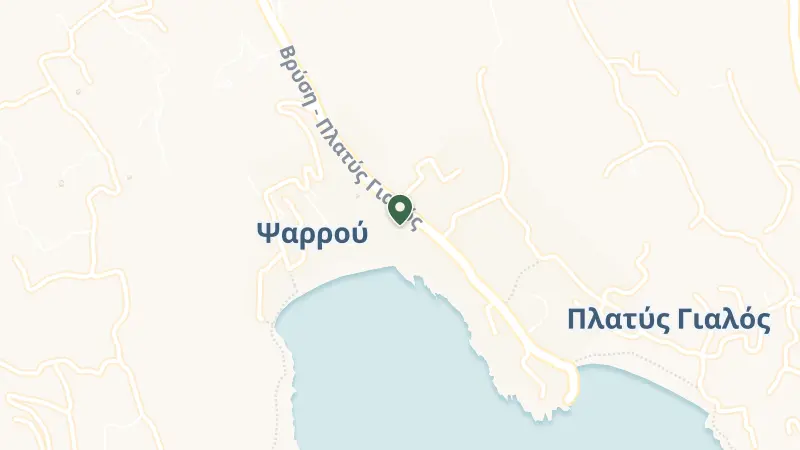
The Grecotel name carries half a century of Greek hospitality, a portfolio rooted in the conviction that luxury means showcasing rather than obscuring local character. This approach finds its fullest expression on Mykonos, the Cycladic island where mythology and modernity collide in brilliant white geometry. Known as the Island of the Winds, Mykonos sits in the Aegean between Tinos, Syros, Paros, and Naxos, its 85-square-kilometre terrain rising to 341 metres at the highest point, its 10,000 residents clustered mostly in Chora, the harbour town on the west coast.
The property overlooks Psarou Beach, a ribbon of sand 200 metres away, with Platys Gialos half a kilometre south. This stretch of the southern shore feels removed from the thumping nightlife that made Mykonos famous, yet Chora's labyrinthine alleys, windmills, and waterfront tavernas remain close enough to taste the island's dual nature: ancient pilgrimage site and pleasure-seeking beacon.
Mykonos Island National Airport sits just two kilometres away, making arrival swift. The real draw, though, lies seven kilometres offshore: Delos, the sacred island where Apollo was born according to myth, a UNESCO World Heritage Site since 1990, its marble ruins rising from the sea like broken teeth of a vanished world.
Psarou Beach spreads below the property, its sand fine and pale, its waters shading from turquoise to cobalt depending on the wind's mood. Agia Anna and Paranga beaches follow the coastline west, each with their own rhythm, the former quieter, the latter livelier. Book a boat to Delos. The ruins there, Apollo's sanctuary and the ancient agora where traders from across the Mediterranean once bartered, feel impossibly fragile under the Cycladic sun, yet they've stood for millennia. Pilgrims came here in antiquity; now it's day-trippers and archaeology devotees, but the island's stillness, its absence of permanent residents, gives every footstep weight.
Back on Mykonos proper, Ornos beach, a sandy crescent a kilometre and a half south, offers calmer waters for swimming. Chora's narrow streets tangle around themselves, the whitewashed walls punctuated by bougainvillea in violent pink and magenta. The windmills on the ridge above town catch the meltemi winds that gave the island its nickname. Start your evening in Little Venice, where balconies hang over the water, then wander inland past chapels smaller than closets, their blue-domed roofs glowing in the last light.
Summer on Mykonos is relentless sun and that famous wind, the meltemi whipping through July and August when temperatures push past 26 degrees. The sea warms to bathwater, the sky stays cloudless for weeks, and rain becomes a rumour. This is high season, when the island thrums with energy and the beaches fill shoulder to shoulder.
Spring and autumn offer gentler terms. May and September bring warmth without the crush, temperatures in the low twenties, the light softer and more forgiving. The sea remains swimmable well into October, the tavernas quieter, the streets reclaimed by locals.
Winter turns the island introspective. December through February sees temperatures dip to the low teens, rain returns in earnest, and many businesses shutter until Easter. The wind blows harder without the summer crowds to muffle it, but the island's bones show more clearly, the whitewashed geometry stark against grey skies.
Frequently Asked Questions

Quotes are personally reviewed by Natasha Hardy, founder of The Uncommon Traveller
5.0 rating · 8 Google reviewsThere is no fee or markup. The hotel pays our commission.
Request a Quote