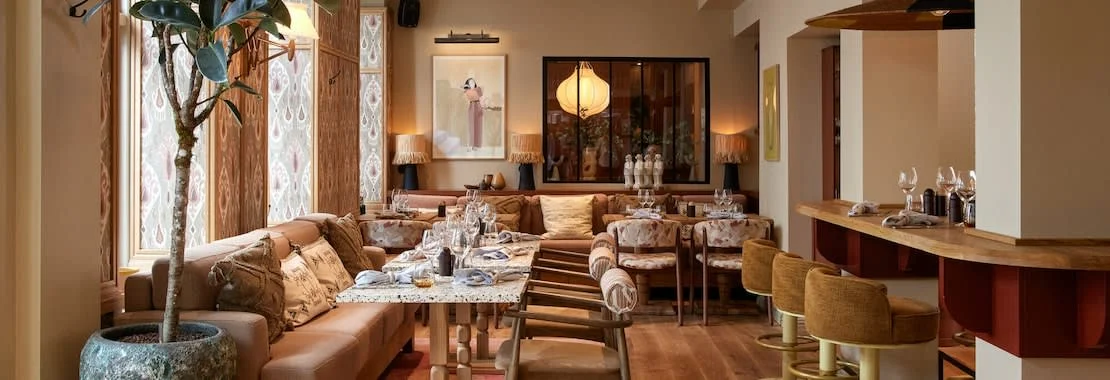
NH Copenhagen Grand Joanne
When you book NH Copenhagen Grand Joanne in Denmark through our Enhanced Rates partnership, your stay includes daily breakfast. You also receive a room upgrade, early check-in and late check-out when available. No premium credit card or membership needed: request a quote and our advisor books it at the same rate as booking direct.
Exclusive Booking Perks
These perks are included with your stay at the same rate as booking direct with the hotel.
- Complimentary daily breakfast
- Free upgrade on arrival (subject to availability)
- Early check in/ Late Check-Out until 13:00 (subject to availability)
Guest feedback
8.8/10 from 5,532 guest reviews
Read what guests commentedBy category
Guests liked
- Excellent service
- Great location
- Comfortable rooms
Points to consider
- Small room sizes
- Overpriced dining options
- Occasional cleanliness issues
Location
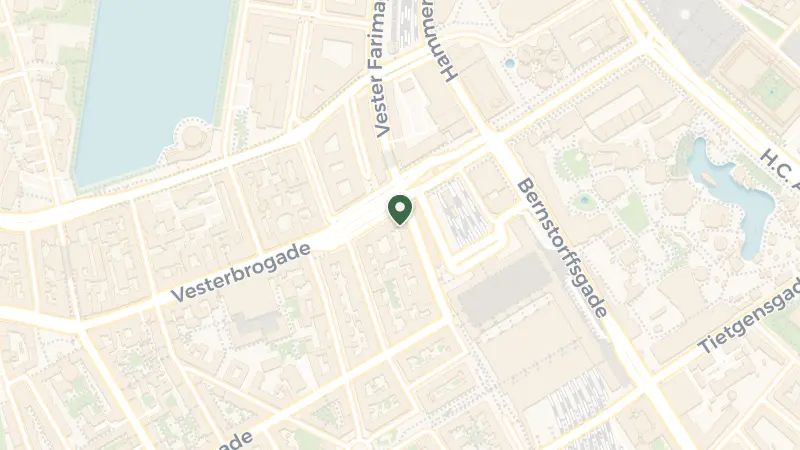
The property sits in Kødbyen, Copenhagen's transformed meatpacking quarter, where late-19th-century industrial halls in white, grey, and brown brick now house galleries, design studios, and late-night dining rooms. This is the Brown Kødbyen, closest to Central Station, where the oldest structures date to 1883 and still carry the patina of their working past. Walk these cobbled lanes at dusk and the district hums with a creative energy that feels distinctly Copenhagen: restrained, functional, repurposed with intent.
The wider city unfolds from here with the rhythm of a Viking settlement grown into a Renaissance capital. Founded as a fishing village in the 10th century near what's now Gammel Strand, Copenhagen became the seat of Danish power in the early 15th century and the heart of the Kalmar Union's Nordic confederation. The Øresund strait separates the city from Malmö across the water; the bridge connecting the two is visible from certain vantage points, a reminder that this city has always looked outward.
Torvehallerne's glass-roofed food market and the medieval lanes around Højbro Plads lie just over a kilometre north, walkable in fifteen minutes. Copenhagen Airport sits nine kilometres southeast, reachable by metro or taxi in under twenty minutes.
For Michelin-starred dining, Geranium commands the eighth floor of Parken Stadium three and a half kilometres north, where Rasmus Kofoed's three-starred tasting menus unfold with a precision that has placed him among the world's finest chefs. Closer in, Kong Hans Kælder occupies a vaulted 15th-century cellar one and a half kilometres east, its two stars reflecting a modern French approach rooted in impeccable technique. Book a table at Jordnær, eight kilometres out in Gentofte, to experience Eric Kragh Vildgaard's vegetable-forward creativity in a setting that feels more studio than dining room. Within Kødbyen itself, the district's galleries and art cafés reward aimless wandering; stop for smørrebrød at one of the neighbourhood's new-wave spots, where herring and rye bread arrive with unexpected refinements.
Torvehallerne Street Market, just over a kilometre north, supplies the city's chefs with seasonal produce and serves travelers seeking craft cheeses, sourdough, and still-warm pastries. Nyhavn's candy-coloured townhouses line the harbour two kilometres east, their reflections wavering in the canal; it's a tourist draw, yes, but the 17th-century warehouses tell a genuine story of Copenhagen's maritime wealth. For open water, Amager Strandpark stretches along the coast five kilometres south, a man-made beach where locals swim year-round.
Summer, from June through August, brings long northern light and temperatures hovering around twenty degrees, the city's parks and harbour baths filled with swimmers and sun-seekers. Rain falls more frequently now, brief showers that clear as quickly as they arrive, leaving the cobblestones slick and gleaming.
Spring and autumn offer milder interludes: May and September see highs in the mid-teens, the air crisp enough for layered walking, the streets less crowded. April is particularly rewarding, when the days lengthen rapidly and the city shakes off winter's introspection.
Winter settles in dark and damp, with temperatures just above freezing and daylight rationed to seven hours by December. The cold is penetrating rather than severe, the kind that sends Copenhageners indoors to candlelit cafés. Visit between May and September for the fullest experience, when the city's outdoor life reaches its peak.
Frequently Asked Questions

Quotes are personally reviewed by Natasha Hardy, founder of The Uncommon Traveller
5.0 rating · 8 Google reviewsThere is no fee or markup. The hotel pays our commission.
Request a Quote 29 Bib Gourmand