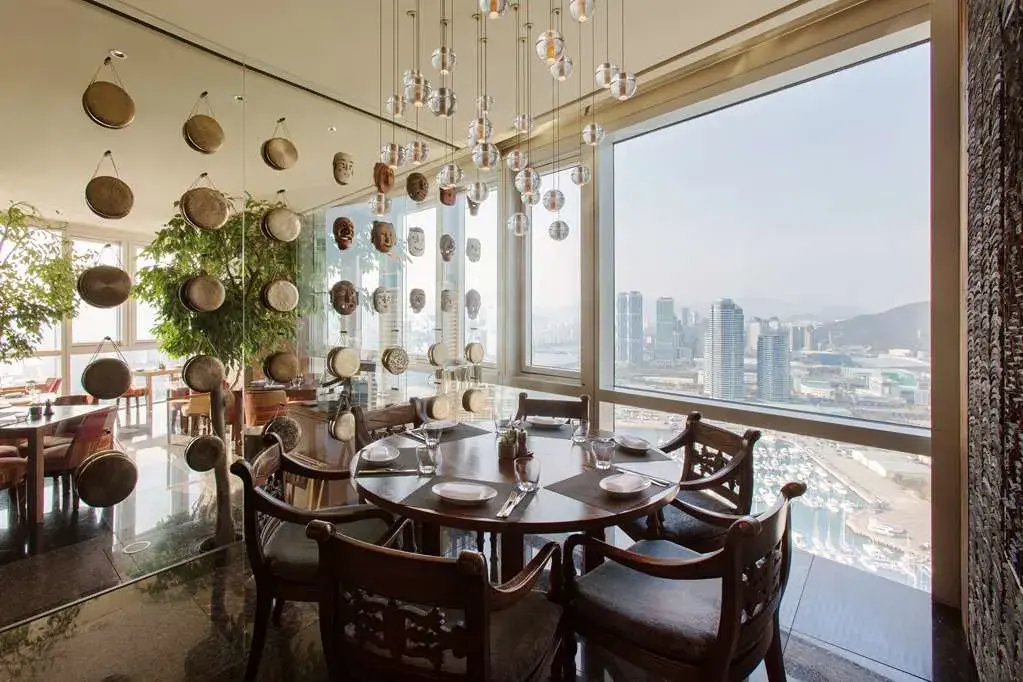
Park Hyatt Busan
When you book Park Hyatt Busan in South Korea through our Hyatt Privé partnership, your stay includes daily full breakfast for up to two guests and a hotel credit of USD 100. You also receive a priority room upgrade when available. You continue earning World of Hyatt points and elite night credits. No premium credit card or membership needed: request a quote and our advisor books it at the same rate as booking direct.
Exclusive Booking Perks
These perks are included with your stay at the same rate as booking direct with the hotel.
- Welcome amenity
- Daily complimentary full breakfast at a hotel restaurant for up to two guests.
- USD 100 hotel credit
- Priority for room upgrade (subject to forecasted occupancy)
- Early check-in/late check-out/connecting rooms (subject to forecasted occupancy, earliest check-in is 9 AM, latest checkout: 4 PM)
Guest feedback
9.2/10 from 642 guest reviews
Read what guests commentedBy category
Guests liked
- Outstanding service
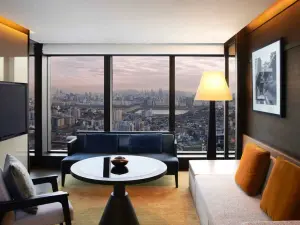
- Breathtaking views
Points to consider
- Location is far from main attractions
Location
Park Hyatt favours intimate scale over sprawling resorts, and each property in the brand's global portfolio leans into its city's cultural identity through curated art and a residential sensibility. The brand's rooftop bars and destination restaurants, often led by chefs with serious pedigrees, have become gathering points in their own right.
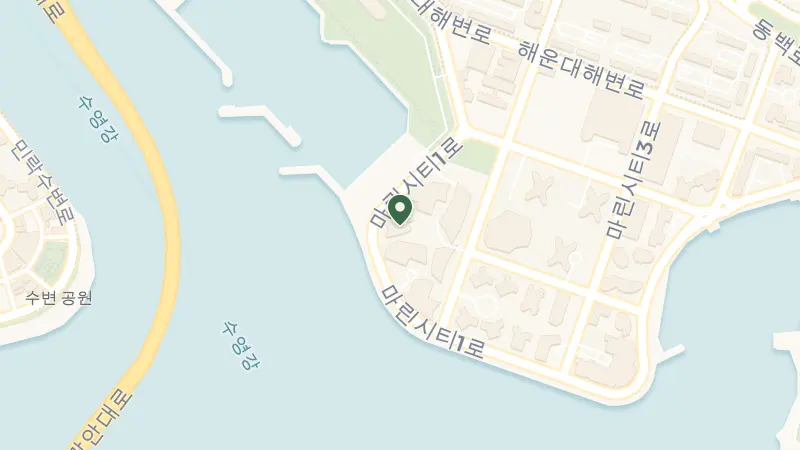
The hotel sits in Haeundae, Busan's beachfront district where high-rises frame the curve of pale sand and the East Sea. This is South Korea's second city, a port metropolis shaped by monsoon rains and trade winds, where fish markets open before dawn and thermal springs have drawn bathers for centuries. The rhythm here is different from Seoul: louder, saltier, more gregarious. Haeundae Beach, less than two kilometres away, stretches wide and flat, crowded with parasols in summer and nearly empty under winter's low grey sky. Gwangalli Beach lies just beyond, its shoreline traced by cafés and the elegant suspension lines of Gwangan Bridge. Millak Golmok Market and Haeundae Traditional Market bring the clatter of vendors and the smell of grilled mackerel within easy walking distance.
Gimhae International Airport is nineteen kilometres northwest, connected by the city's metro line and airport limousine buses. Busan's streets run on the right, and the won is the local currency, though credit cards are widely accepted.
Le DORER, four hundred metres from the property, holds one Michelin star for a tasting menu that rethinks Korean tradition through French and Japanese technique. The young Busan-born chef centres each course on seasonal local ingredients, and the dining room feels more like a private apartment than a formal restaurant. Mori, under two kilometres away, is a collaboration between a Korean chef trained in Japan and his Japanese wife; their kaiseki menus showcase Busan's extraordinary seafood with delicate, precise plating. For something more adventurous, Palate, just over three kilometres distant, serves contemporary French cuisine shaped by Chef Kim Jae-hoon's wide-ranging culinary travels. Book a table at any of these well in advance, especially on weekends.
The Busan Yachting Center lies just down the shore, and the city's serial beaches (Songjeong, Songdo, Dadaepo) unfold along the coast to the north and west. The Gaya Tumuli, a UNESCO site of ancient burial mounds from the Gaya Confederacy, sit twenty-six kilometres inland, offering a glimpse of Korea's pre-Silla kingdoms. Closer in, the traditional markets sell everything from dried anchovies to hanbok fabric, and the air smells of sesame oil and fermented chilli.
Winter is sharp and bright, with temperatures hovering just above freezing and occasional snow that doesn't linger. The beaches empty, the light turns thin and silver, and the city feels more local, less performative.
Spring arrives with cherry blossoms in early April, though rain picks up as the season progresses. The air warms quickly, and by May the city sheds its jackets. Summer is humid and wet, with typhoon season bringing heavy downpours and temperatures pushing past twenty-eight degrees. The beaches fill, and the seafood restaurants stay open late into the humid evenings.
Autumn is the prime season: clear skies, mild temperatures, and the monsoon rains finished by October. The light turns golden, the humidity drops, and the East Sea takes on a deeper blue.
Frequently Asked Questions

Quotes are personally reviewed by Natasha Hardy, founder of The Uncommon Traveller
5.0 rating · 8 Google reviewsThere is no fee or markup. The hotel pays our commission.
Request a Quote 20 Bib Gourmand