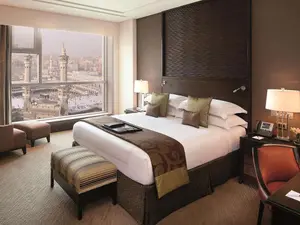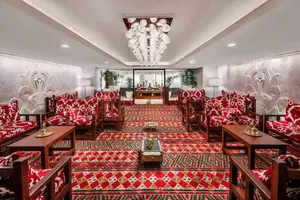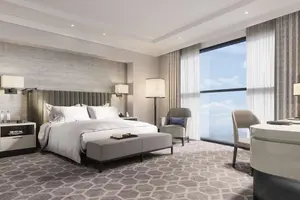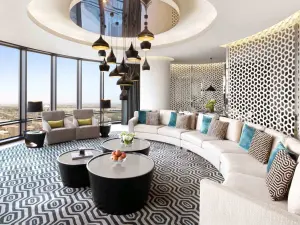
Raffles Makkah Palace
When you book Raffles Makkah Palace in Saudi Arabia through our Accor Hera partnership, your stay includes daily breakfast for two. You continue earning ALL Accor points and elite night credits. No premium credit card or membership needed: request a quote and our advisor books it at the same rate as booking direct.
Exclusive Booking Perks
These perks are included with your stay at the same rate as booking direct with the hotel.
- Daily complimentary breakfast for 2, per room
Location
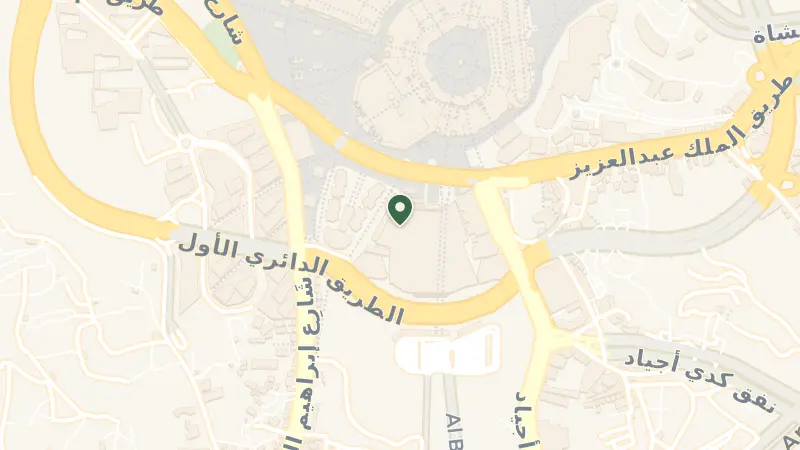
Raffles brings its legacy of grand hotel tradition to one of the world's most spiritually significant destinations, interpreting the heritage brand's philosophy of gracious hospitality within a city defined by pilgrimage and prayer. Makkah occupies a narrow valley 277 metres above sea level in western Saudi Arabia's Hejaz region, seventy kilometres inland from the Red Sea coast. The air here carries the weight of centuries: this is the birthplace of Islam, the city where the Prophet Muhammad was born, and the direction toward which more than a billion Muslims turn in prayer five times daily.
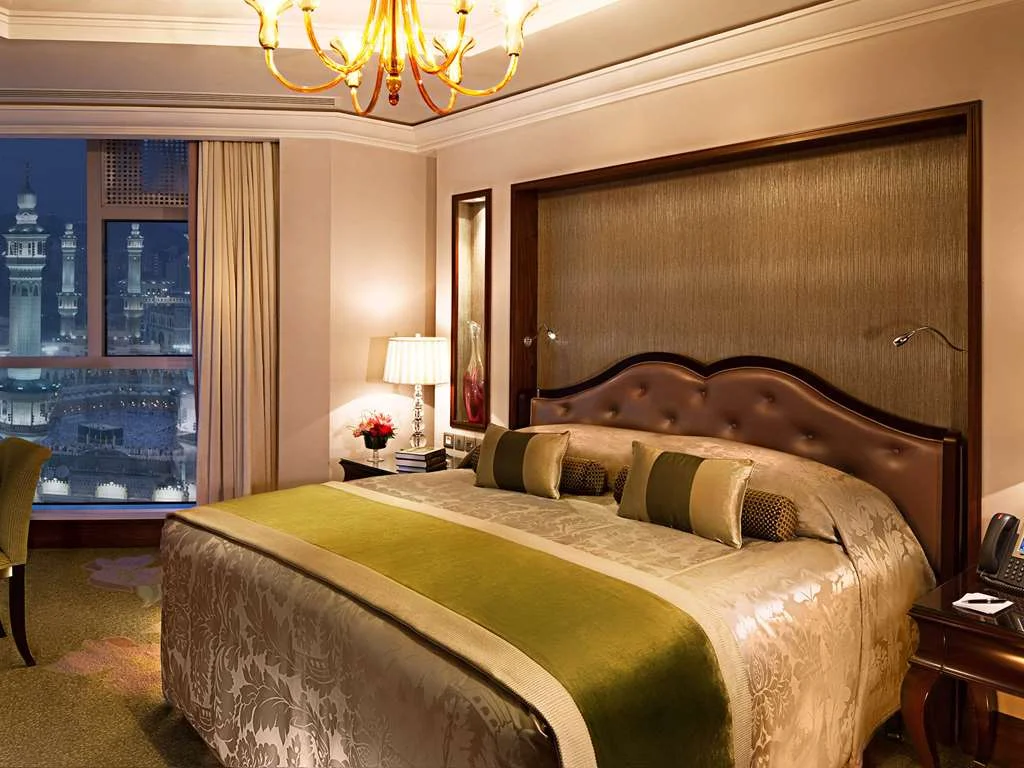
The Ajyad neighbourhood lies directly south of Al Haram District, placing you within the city's spiritual core. The Great Mosque, or Masjid al-Haram, dominates the skyline and the rhythm of daily life, its minarets visible from nearly every vantage point. The Kaaba stands at the mosque's centre, a structure Muslims believe Abraham and Ishmael built, now draped in black silk embroidered with Quranic verses in gold thread. During Hajj in the twelfth month of the Islamic calendar, the city's population more than triples as pilgrims fulfill their religious obligation, transforming Makkah into one of the world's most visited cities.
Both King Abdulaziz International Airport in Jeddah and Taif International Airport lie seventy-five kilometres from the city, connected by modern highways that cut through the rocky Hejazi landscape.
The city's spiritual geography extends beyond the Great Mosque to the Cave of Hira atop Jabal al-Nour, where Muslims believe the Quran's first verses were revealed. The mountain's ascent requires stamina but rewards with sweeping views across the valley and a profound sense of connection to Islamic history. Souq Al Khalil, just three hundred metres from the property, offers a window into Makkah's mercantile traditions: vendors sell prayer beads fashioned from olive wood, dates from Medina, attar perfumes in cut-glass bottles, and white ihram garments pilgrims wear during Hajj.
Historic Jeddah, the Gate to Makkah, lies sixty-six kilometres west and merits a half-day excursion for its UNESCO-listed coral stone architecture and centuries-old merchant houses. The port city served as the primary gateway for pilgrims arriving by sea from the seventh century onward, channelling Indian Ocean trade goods toward Makkah. Start early to explore the souqs before midday heat settles over the Red Sea coast, then retreat to a traditional roshan-windowed house turned museum to understand the Hejazi architectural vernacular that once defined the region.
November through March delivers Makkah's most temperate weather, with January afternoons reaching twenty-seven degrees and evenings cooling to sixteen. The light during these months has a soft golden quality, and pilgrims fill the streets in comfortable numbers outside the concentrated Hajj period.
April marks the transition toward summer's intensity. By May, temperatures climb to thirty-nine degrees, and from June through September the valley becomes an anvil, with mercury hovering near forty degrees and the sun bleaching colour from stone and fabric alike. Rainfall is negligible, the air dry and still.
October begins the gradual descent toward winter's relief. December sees temperatures drop to the high twenties, and occasional brief rains wash dust from the streets. For those not bound by religious calendar requirements, winter months offer the most physically comfortable visit.
Frequently Asked Questions

Quotes are personally reviewed by Natasha Hardy, founder of The Uncommon Traveller
5.0 rating · 8 Google reviewsThere is no fee or markup. The hotel pays our commission.
Request a Quote