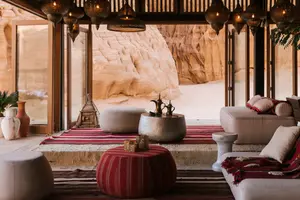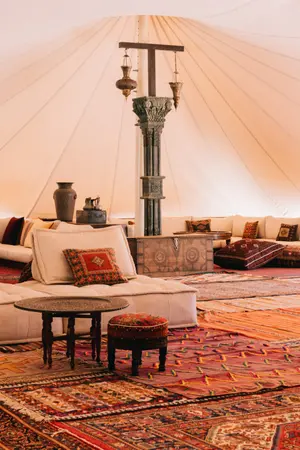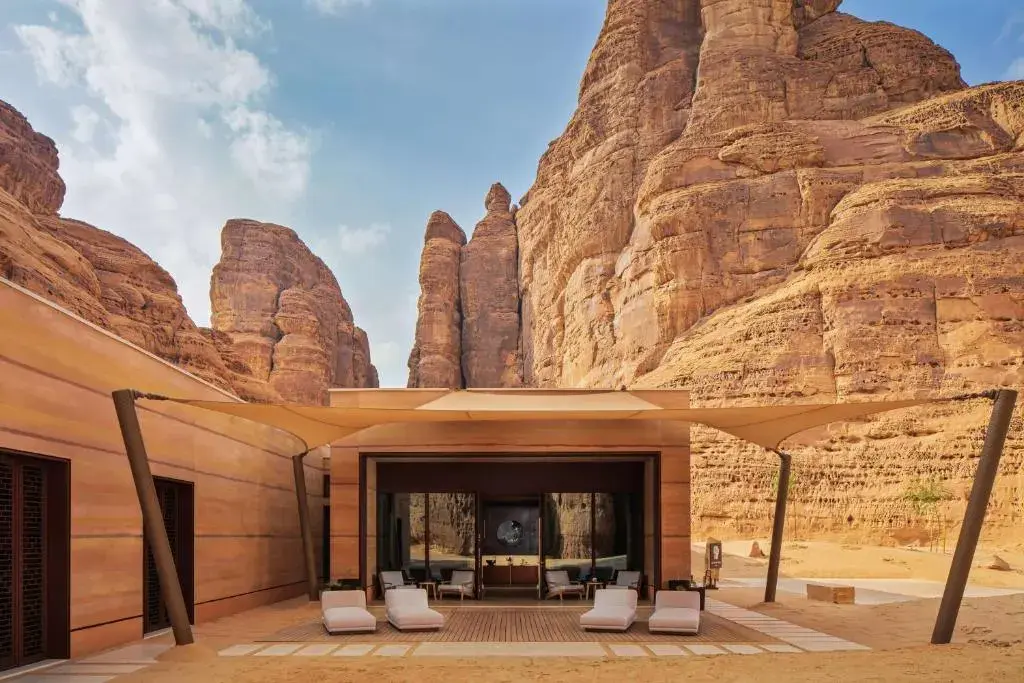
Banyan Tree Alula
When you book Banyan Tree Alula in Al Ula, Saudi Arabia, through our Accor Hera partnership, your stay includes daily breakfast for two and a $100 USD hotel credit. You also receive a room upgrade, early check-in and late check-out when available. No premium credit card or membership needed: request a quote and our advisor books it at the same rate as booking direct.
Exclusive Booking Perks
These perks are included with your stay at the same rate as booking direct with the hotel.
- Daily complimentary breakfast for 2, per room
- $100 USD credit to be spent on property (conditions defined at check-in)
- Early check-in & late check-out (upon availability)
- Upgrade at time of check-in (upon availability)
Location
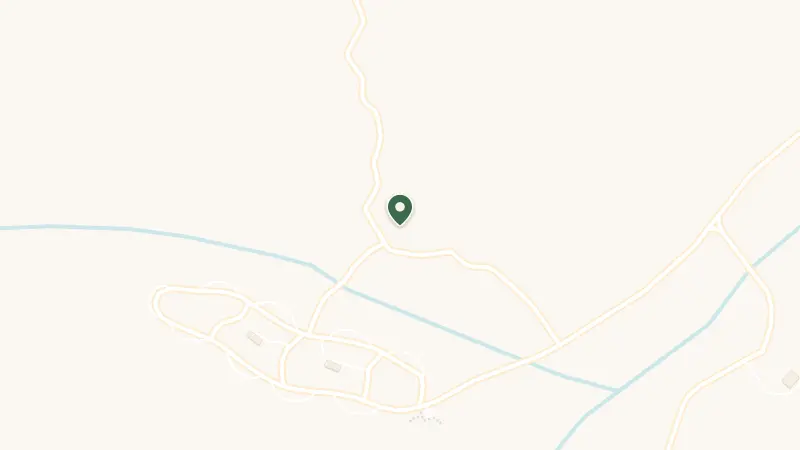
Banyan Tree brings its signature blend of Asian wellness traditions and environmental stewardship to the Ashar Valley, where the property anchors Saudi Arabia's most archaeologically significant desert landscape. Al-Ula itself is an ancient oasis city that once thrived as a waypoint on the incense route linking India and the Levant, its position in the Hejaz placing it at the crossroads of pre-Islamic Semitic civilizations and early Islamic history.
The immediate surroundings hold a density of heritage unmatched in the kingdom: stone inscriptions documenting the evolution of Arabic script, rock-cut tombs from the Nabataean and Dedanite periods, and the remnants of al-Dirah, the walled mudbrick settlement clustered around date palm groves that sustained life here for millennia. Twelve kilometres north lies Hegra, Saudi Arabia's first UNESCO World Heritage Site, a Nabataean city carved into rose-coloured sandstone cliffs more than two millennia ago and often compared to Petra.
The desert silence is profound, broken only by wind through rock formations. Al-Ula International Airport sits 39 kilometres away, connected by private transfers across the valley floor.
On-property dining centres on Harrat, a Michelin Selected restaurant where the kitchen weaves Middle Eastern and international influences against a backdrop of unobstructed desert views; the team guides you through a varied menu that shifts with the seasons. The property's Banyan Tree Spa draws on Asian healing philosophies, offering treatments designed to counterbalance the desert's intensity. Book a sunrise visit to Hegra, twelve kilometres north, where 111 monumental tombs rise from the sandstone, their facades inscribed with Nabataean script and left largely undisturbed since the first century. The site opens early, and the low morning light renders the cliff faces luminous.
Sharaan Nature Reserve, 37 kilometres distant, protects native Arabian leopard habitat within a canyon landscape of sculpted rock. Start with the ancient walled city of al-Dirah, where mudbrick houses collapse slowly back into the earth, their original palm grove still green against the surrounding aridity. Don't miss the rock inscriptions scattered across the valley, where successive civilizations left their mark in stone.
Winter, from November through February, brings daytime highs between 19 and 25 degrees, cool enough for extended exploration of Hegra's exposed cliffsides and the open desert without the punishing sun. Nights drop sharply, sometimes to four degrees, and the air gains a mineral clarity. Spring and autumn offer transition: March and October sit in the high twenties, the light softening before the summer surge.
May through September is unforgiving, with temperatures reaching 40 degrees and the sun reflecting off pale rock until dusk. The desert empties during these months, and even short walks demand early starts. Rainfall is negligible year-round, though November occasionally sees brief showers that darken the sandstone and release the scent of creosote.
Visit between October and March for the most comfortable conditions.
Frequently Asked Questions

Quotes are personally reviewed by Natasha Hardy, founder of The Uncommon Traveller
5.0 rating · 8 Google reviewsThere is no fee or markup. The hotel pays our commission.
Request a Quote 2 Bib Gourmand