Rayavadee
When you book Rayavadee in Krabi, Thailand, through our Fora Rates partnership, your stay includes daily breakfast. You also receive early check-in and late check-out when available. No premium credit card or membership needed: request a quote and our advisor books it at the same rate as booking direct.
Exclusive Booking Perks
These perks are included with your stay at the same rate as booking direct with the hotel.
- Daily breakfast
- Upgrade to next room category (except Villas) subject to availability on arrival date
- Early check-in and late check-out subject to availability
- Join in round trip Krabi Airport transfers
- A THB 3,000 net resort credit per room per stay for a minimum 3 consecutive night stay
Location
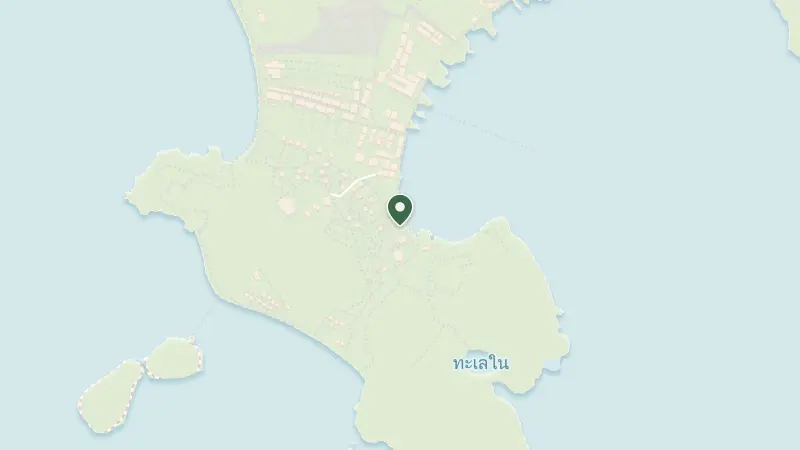
Railay exists in a state of suspended geography. High limestone cliffs rising sheer from the Andaman Sea sever this small peninsula from the mainland entirely, making boat the only arrival and departure. The effect is total: no roads, no cars, just the sound of longtail engines cutting across turquoise water and the creak of wooden hulls against sand. Rayavadee claims three of Railay's finest stretches: Raile Tawan Ok Beach lies steps from the property, Ao Phra Nang unfolds just 300 metres along the coast with its famed cave shrine, and the sweep of West Railay curves beyond.
The landscape here is singular. Karst towers draped in jungle vault hundreds of metres skyward, their faces studded with climbing routes that draw international alpinists. Between the cliffs, white sand beaches give way to shallow lagoons in shades of jade and sapphire. The peninsula splits into four pockets: serene Phra Nang, developed West Railay, the working waterfront of East Railay, and bohemian Ton Sai a kilometre south along the coast.
Krabi town lies 20 kilometres northeast where the Krabi River meets Phang Nga Bay, but Railay answers to its own rhythm. Arrival is via Krabi International Airport, 19 kilometres distant, followed by a road transfer to the pier and a final longtail crossing that leaves the world behind.
On the property, dining unfolds at Ao Phra Nang, where tables sit directly on the beach beneath the karst cliffs. The kitchen leans into southern Thai traditions: kaeng tai pla (fermented fish kidney curry), khua kling (dry-fried minced pork with chilli paste), and whole grilled pla kapong (barramundi) caught in local waters. Book a table at sunset when the limestone formations glow amber across the bay.
Beyond the peninsula, Ao Nang lies five kilometres north across the water, home to the Ao-Nang Landmark Night Market where vendors grill satay over charcoal and steam khanom jeen (fermented rice noodles) with rotating curries. Rock climbers spend mornings on the cliffs above Ton Sai Beach, 1.3 kilometres south, where bolted routes range from beginner slabs to overhanging 7c faces. Hat Noppharat Thara-Mu Ko Phi Phi National Park begins 13 kilometres west, its waters sheltering coral gardens and the iconic phi phi islands themselves. The peninsula's isolation means most experiences happen on foot or by kayak: explore the lagoon caves at low tide or walk the jungle path linking Railay's beaches.
January through March delivers the peninsula's finest weather. Skies stay clear, humidity drops, and temperatures hover near 30°C while the Andaman glows cobalt under high sun. The beaches fill with European visitors escaping winter, and the climbing community peaks.
April marks the threshold. Heat intensifies, the air thickens, and by May the monsoon arrives in sheets that can last hours. Through October, rain dominates, though it often comes in intense afternoon bursts rather than all-day drizzle. The sea churns grey-green, longtail crossings grow choppy, and many climbers decamp. The landscape, however, turns electric: every surface drips, waterfalls swell, and the jungle canopy deepens to near-black.
November transitions back. Rainfall tapers, the light softens, and by December the peninsula dries into its golden season once more. Book between late November and February for guaranteed sun and calm crossings.
Frequently Asked Questions

Quotes are personally reviewed by Natasha Hardy, founder of The Uncommon Traveller
5.0 rating · 8 Google reviewsThere is no fee or markup. The hotel pays our commission.
Request a Quote 1 Bib Gourmand