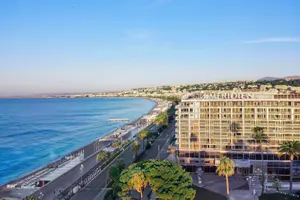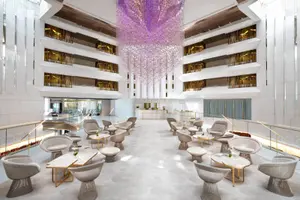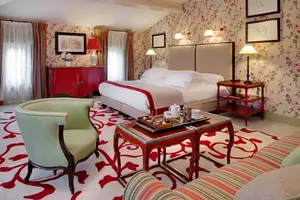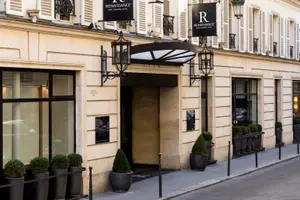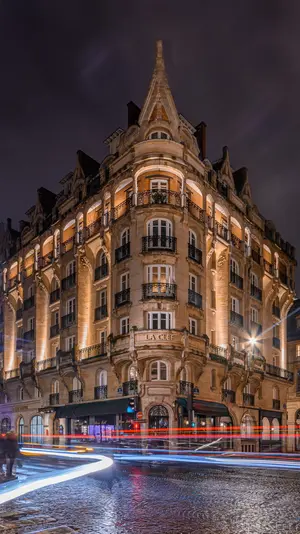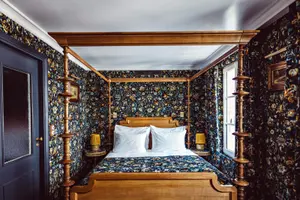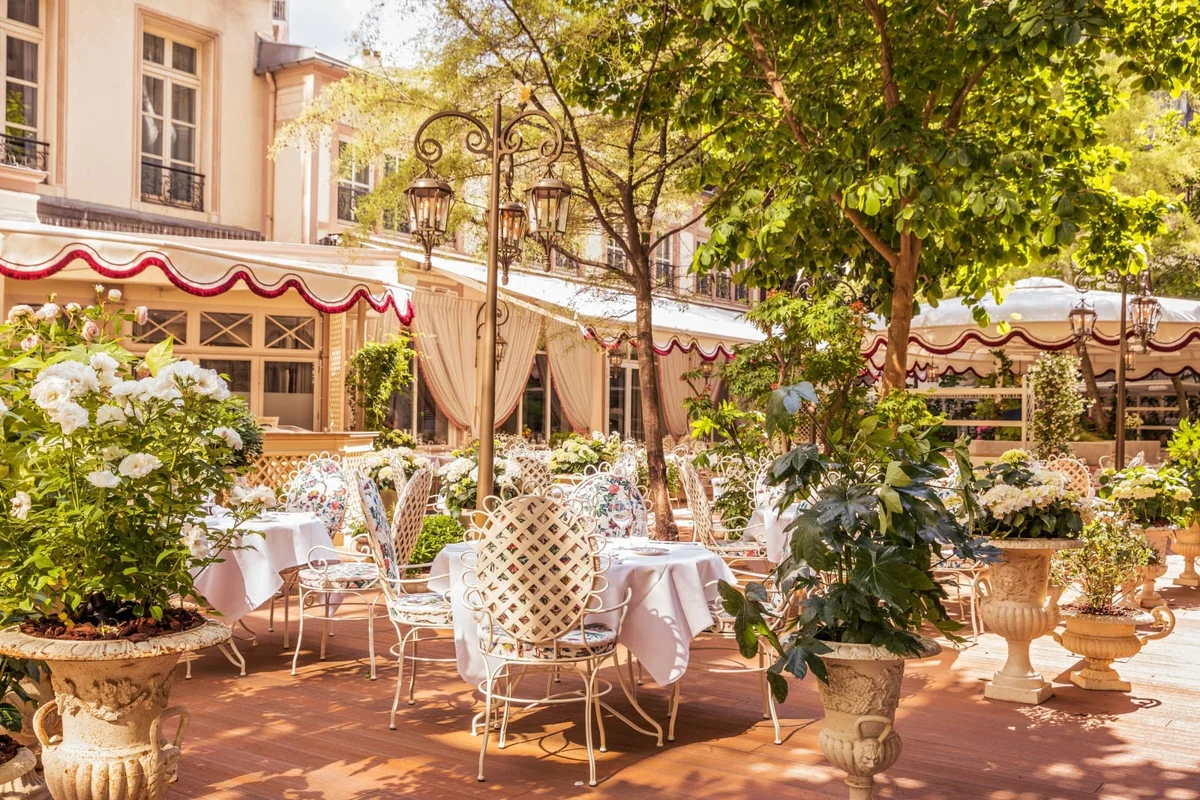
Renaissance Paris Nobel Tour Eiffel Hotel
When you book Renaissance Paris Nobel Tour Eiffel Hotel in France through our Marriott Luminous partnership, your stay includes daily breakfast for two and a welcome amenity. You also receive a room upgrade, early check-in and late check-out when available. No premium credit card or membership needed: request a quote and our advisor books it at the same rate as booking direct.
Exclusive Booking Perks
These perks are included with your stay at the same rate as booking direct with the hotel.
- Welcome amenity
- Complimentary breakfast daily for two guests per room
- Early check-in and late check-out (when available)
- Complimentary upgrade (if available at check-in)
Guest feedback
8.4/10 from 209 guest reviews
By category
Guests liked
- Excellent location
- Staff professional and friendly
Points to consider
- A little pricey
- Staff unprepared for check-in
Location
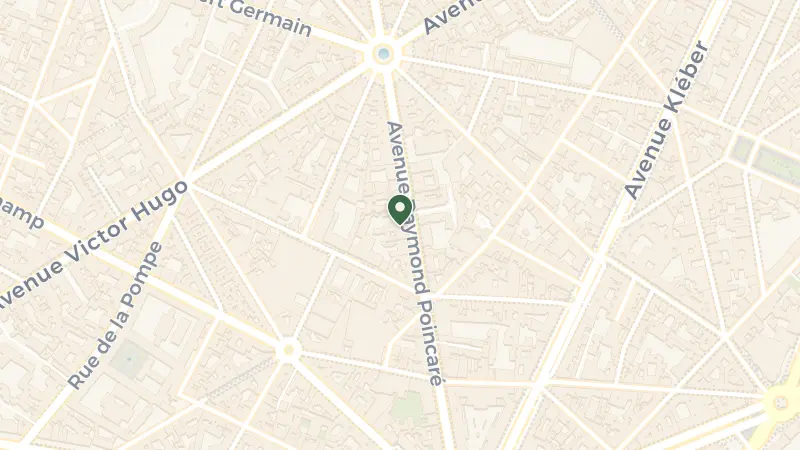
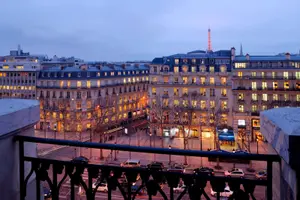
Chaillot belongs to the 16th arrondissement, a quartier where grand Haussmannian facades line wide avenues and embassies occupy mansions set back from the street. The neighbourhood hums with a residential polish rather than tourist bustle: fruit vendors arrange produce at Marché Président Wilson less than a kilometre away, and locals slip into corner boulangeries for their morning tartines. The Eiffel Tower rises just across the Seine, close enough that its iron lattice fills your sightline from the Right Bank.
Paris grew from a Roman settlement on the Île de la Cité into Europe's capital of Enlightenment thought, 19th-century urban planning, and modern gastronomy. Baron Haussmann's boulevards cut through medieval lanes in the 1850s, creating the city of long perspectives and symmetrical blocks that defines the centre today. The Seine threads through it all, its banks inscribed as a UNESCO World Heritage Site for the way they trace Paris's evolution from the Louvre to the Eiffel Tower.
Charles de Gaulle Airport lies 25 kilometres northeast, Orly 16 kilometres south. Both connect to central Paris by rail and taxi, though traffic into the city thickens during rush hours. The Métro's Art Nouveau entrances mark stations throughout the arrondissement, threading you into a century-old network that remains one of Europe's most efficient.
Pierre Gagnaire's three-starred table sits 1.3 kilometres away, serving his signature adventurous, layered cuisine beneath a charcoal bestiary by artist Adel Abdessemed. Closer still, Le Cinq (1.1 kilometres) unfolds in the opulent dining room of one of Paris's palace hotels, where chef Christian Le Squer's modern cuisine plays out against ornate mouldings and tall floral arrangements. Book a table at Le Gabriel, two kilometres distant at La Réserve, for Christian Le Squer's creative cooking in a Napoleon III mansion reimagined by Jacques Garcia. Marché Président Wilson (under a kilometre) spreads its stalls along Avenue du Président Wilson twice a week, piling duck confit, aged comté, and bundles of haricots verts under canvas awnings.
The Seine's Right Bank curves along Chaillot's southern edge, a short walk from the property. Across the river, the Eiffel Tower anchors the Champ de Mars, part of the UNESCO-inscribed Banks of the Seine that stretches from the Louvre to the Grand Palais. The route traces Paris's architectural evolution in iron, stone, and glass. Versailles (14 kilometres southwest) opens its Hall of Mirrors and formal gardens to visitors daily, a monument to the Sun King's absolutism.
Summer arrives warm and long-lit, with temperatures climbing into the low twenties by June and peaking near 24°C in August. Terraces fill after work, and the city slows in late July as Parisians decamp for the coast. August sees the least rain of the year, though brief thunderstorms cool the boulevards on humid afternoons.
Autumn sharpens the light and thins the crowds. September holds onto summer warmth, while October cools into sweater weather and the chestnut vendors return to street corners. By November, rain falls more frequently and the city turns inward, its cafés steaming windows against the chill.
Winter hovers just above freezing, grey and damp from December through February. Spring builds slowly from March, when temperatures creep past ten degrees and the chestnut trees along the Seine begin to leaf. May brings the year's most reliable warmth, with long evenings and outdoor tables reclaiming the pavements.
Frequently Asked Questions

Quotes are personally reviewed by Natasha Hardy, founder of The Uncommon Traveller
5.0 rating · 8 Google reviewsThere is no fee or markup. The hotel pays our commission.
Request a Quote 47 Bib Gourmand