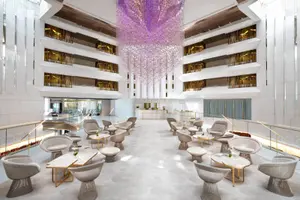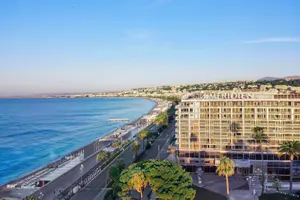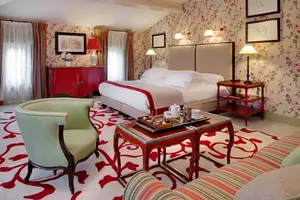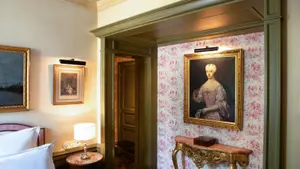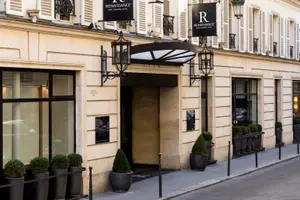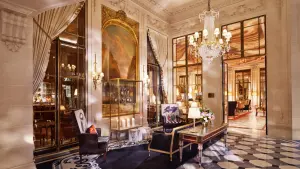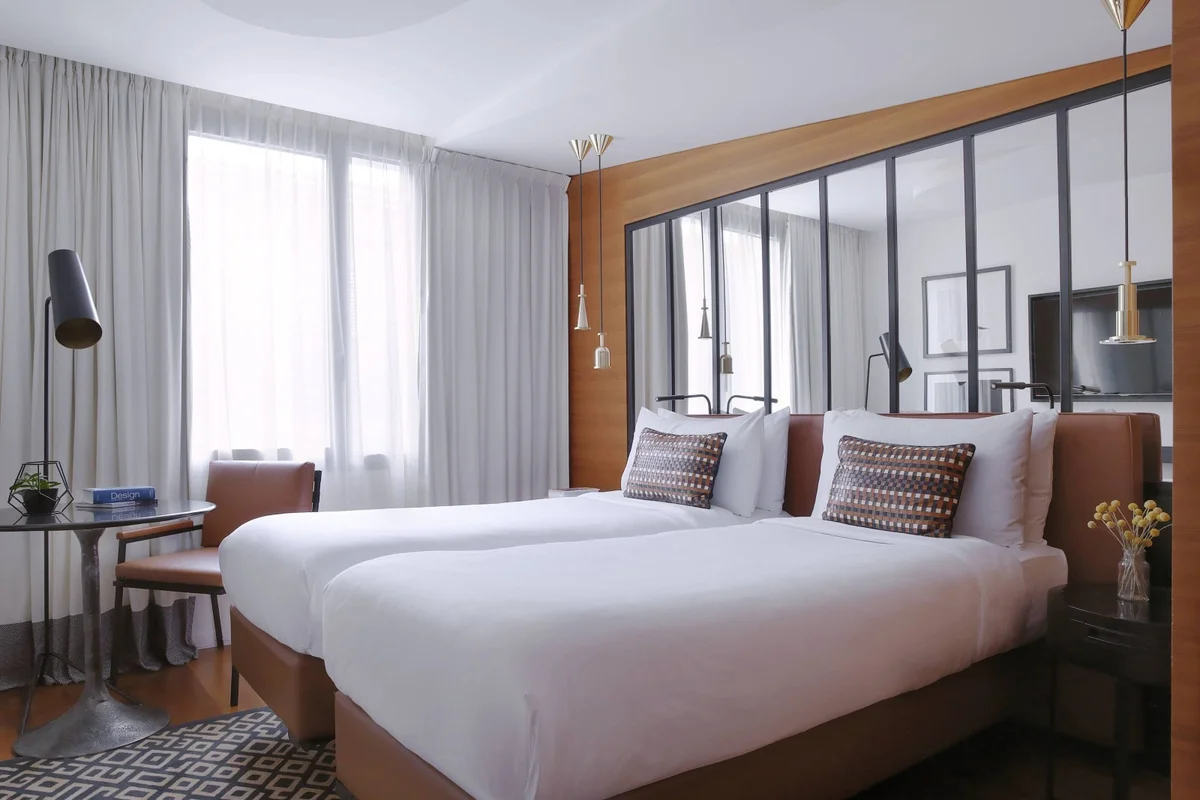
Renaissance Paris Republique Hotel
When you book Renaissance Paris Republique Hotel in France through our Marriott Luminous partnership, your stay includes daily breakfast for two and a welcome amenity. You also receive a room upgrade, early check-in and late check-out when available. No premium credit card or membership needed: request a quote and our advisor books it at the same rate as booking direct.
Exclusive Booking Perks
These perks are included with your stay at the same rate as booking direct with the hotel.
- Welcome amenity
- Complimentary breakfast daily for two guests per room
- Early check-in and late check-out (when available)
- Complimentary upgrade (if available at check-in)
Guest feedback
8.8/10 from 103 guest reviews
Read what guests commentedBy category
Guests liked
- Friendly and helpful staff
Points to consider
- Room not ready on time
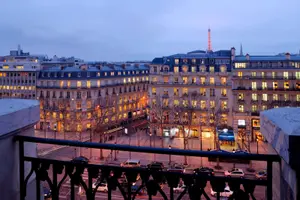
- Unsatisfactory view from the room
Location
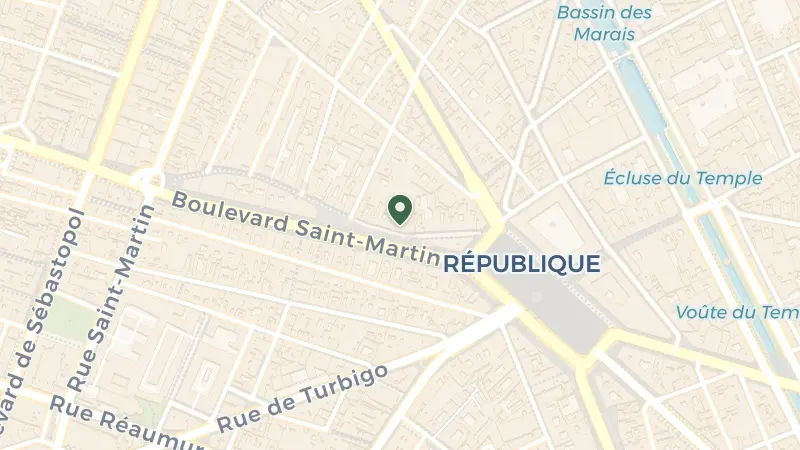
The 10th arrondissement holds a different kind of Parisian energy than the grand boulevards to the west. This is the quarter of railway stations and late-night falafel counters, where Canal Saint-Martin cuts through cobbled quays lined with iron footbridges and plane trees. The neighbourhood pulses with the rhythm of everyday Paris: morning bakeries releasing the smell of butter and yeast, brasseries spilling onto sidewalks at lunch, the clatter of bicycles along the canal at dusk. Place de la République anchors the southern edge, its vast square a gathering point for protests, markets, and impromptu concerts.
The area carries the legacy of Haussmann's 19th-century transformation, when straight avenues replaced medieval warrens and the city earned its reputation as the capital of modernity. The bones of old Paris still show through: narrow passages, workers' cafés, wholesale fabric shops near the Gare du Nord. This is where locals live, not just where tourists wander.
The property sits within walking distance of the Marais to the south and Montmartre to the north, with the Seine and its UNESCO-listed banks three kilometres away. Charles de Gaulle Airport lies 21 kilometres northeast, Orly 15 kilometres south, both accessible by direct rail links through nearby Gare de l'Est and Gare du Nord.
Within two kilometres of the property, Paris unfolds its full gastronomic breadth. Kei, just over a kilometre away, holds three Michelin stars for Kei Kobayashi's modern cuisine, where Japanese precision meets French tradition in dishes that honour both his Nagano roots and his training under Gilles Goujon. Slightly farther, Plénitude at Cheval Blanc Paris occupies the revamped Samaritaine, where Arnaud Donckele brings the same creative vision that earned him three stars at La Vague d'Or. Book a table at Kei months ahead if possible; securing a seat is as competitive as the cooking is refined.
The Marché Alibert, 700 metres from the hotel, opens several mornings a week with stalls piled high with Normandy cheeses, Breton oysters, and bunches of tarragon still damp from the morning. The Marché Saint-Eustache-Les Halles, once the belly of Paris, continues that tradition near the old market pavilions. Walk the Canal Saint-Martin at twilight when the locks catch the last light and café terraces fill with apéritifs. The Banks of the Seine, a UNESCO World Heritage Site three kilometres south, stretch from the Louvre to the Eiffel Tower, tracing the city's evolution from medieval fortress to Age of Enlightenment capital.
July and August bring warmth that softens the stone façades, when temperatures reach the mid-twenties and the city empties for August holidays. Café tables multiply on every sidewalk, and the Seine reflects hard blue light at midday. This is when locals flee and the rhythm slows.
Spring and early autumn hold the city's best temperament. May sees chestnut trees blossom along the boulevards, with highs near eighteen degrees and that particular slant of northern light that makes the Haussmann buildings glow amber in late afternoon. September mirrors this: still warm, less rain than June, and the city shaking off its summer torpor.
Winter turns Paris introspective. December through February hover just above freezing, with grey skies and early dark that send everyone indoors to zinc-topped bars and overheated brasseries. The city feels more itself then, less performed.
Frequently Asked Questions

Quotes are personally reviewed by Natasha Hardy, founder of The Uncommon Traveller
5.0 rating · 8 Google reviewsThere is no fee or markup. The hotel pays our commission.
Request a Quote 47 Bib Gourmand