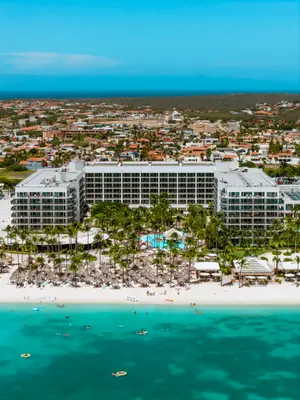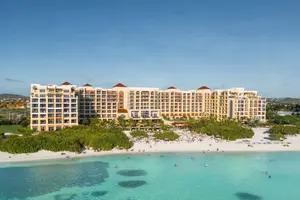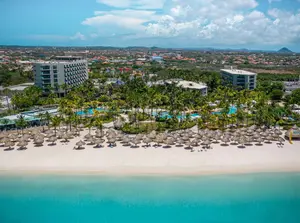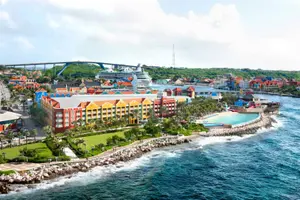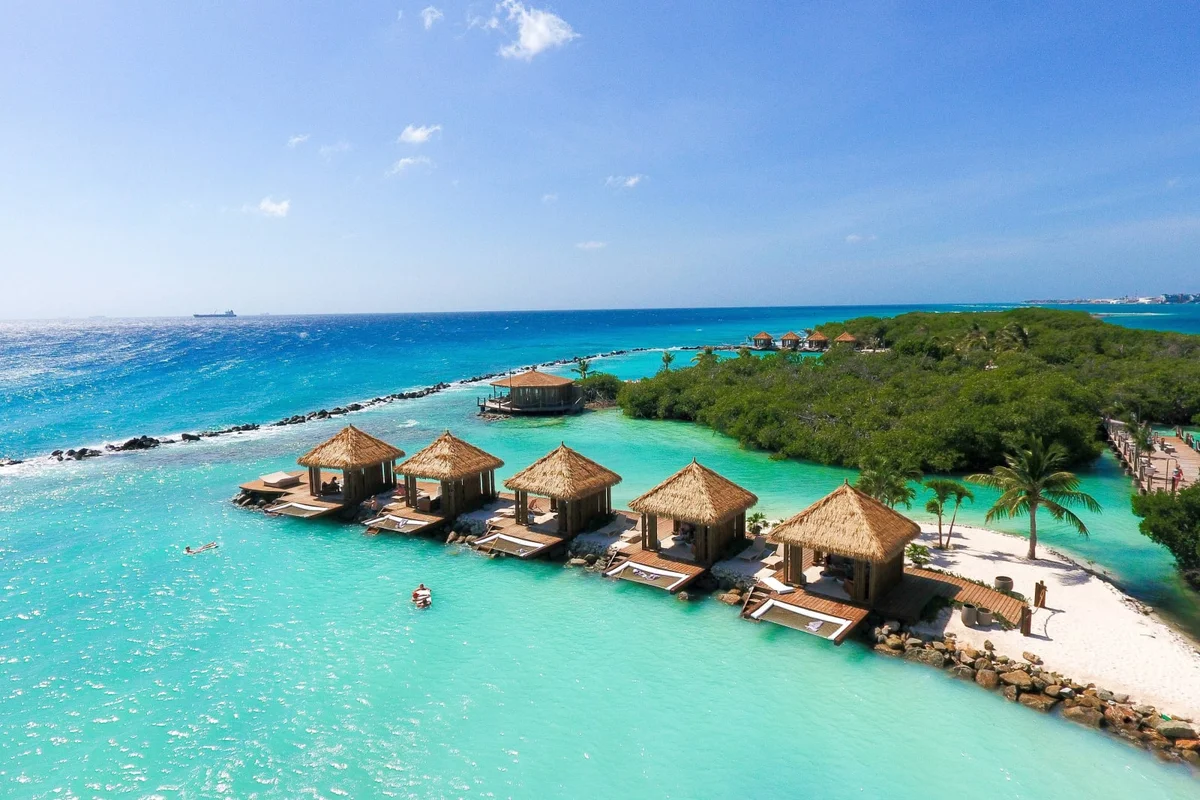
Renaissance Wind Creek Aruba Resort
When you book Renaissance Wind Creek Aruba Resort through our Marriott Luminous partnership, your stay includes daily breakfast for two and a welcome amenity. You also receive a room upgrade, early check-in and late check-out when available. No premium credit card or membership needed: request a quote and our advisor books it at the same rate as booking direct.
Exclusive Booking Perks
These perks are included with your stay at the same rate as booking direct with the hotel.
- Welcome amenity
- Complimentary breakfast daily for two guests per room
- Early check-in and late check-out (when available)
- Complimentary upgrade (if available at check-in)
Guest feedback
8.9/10 from 1,859 guest reviews
Read what guests commentedBy category
Guests liked
- Cleanliness
- Exceptional Service
- Great Location
Points to consider
- Occasional Price Issues
- Transportation Delays
Location
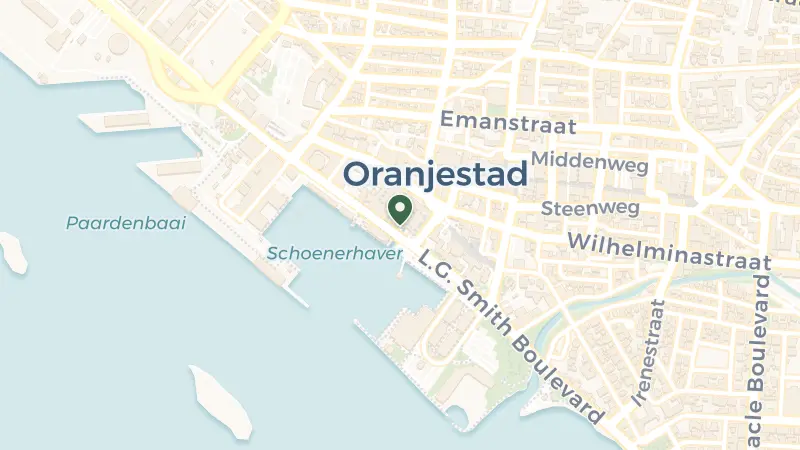
Oranjestad stretches along Aruba's southwestern coast, where Dutch colonial facades painted in sherbet hues line the waterfront and the scent of salt mixes with exhaust from passing buses. The capital, called Playa by locals who speak Papiamento in the streets, hums with cruise ship passengers by day and empties into a quieter rhythm come evening. Renaissance Marina sits steps from the property, its bobbing sailboats framed by pastel gables that could belong in Amsterdam if not for the relentless Caribbean sun.
The streets around the harbour reveal layers of Dutch and Spanish influence: gabled rooftops, wrought-iron balconies, cobblestone plazas shaded by divi-divi trees bent permanently landward by trade winds. Governor's Beach lies half a kilometre south, a sliver of sand between two piers where locals swim at dusk. Surfside Beach, a broader stretch 1.5 kilometres along the coast, draws families to its calm turquoise shallows.
Queen Beatrix International Airport sits three kilometres inland, a quick taxi ride that deposits arrivals directly into the capital's compact grid. The island's arid interior spreads eastward from here, its scrubland dotted with cacti and culminating in Arikok National Park's limestone cliffs twelve kilometres distant.
Flamingo Beach, accessible by water taxi 2.2 kilometres across the bay, delivers on its promise: pink flamingos wading in shallows so clear you count their leg joints from the sand. The birds belong to a private island but share space with day visitors willing to book ahead. Closer to hand, Parkietenbos Key and Bird Sanctuary (five kilometres north) shelter parakeets in dense mangrove thickets, their green plumage flashing against gnarled roots. Arikok National Park, twelve kilometres east, protects nearly a fifth of the island: hike to Conchi, a natural pool carved into black volcanic rock on the windward coast, or explore Fontein Cave's Arawak petroglyphs etched a millennium ago.
Divers should book a morning at the SS Antilla, a German freighter scuttled in 1940 that now lies nine and a half kilometres offshore, its hull encrusted with orange cup coral and patrolled by barracuda. For golf, Tierra del Sol (9.7 kilometres northwest) plays firm and fast across desert terrain designed by Robert Trent Jones II, its fairways threading between cacti and iguanas basking on cart paths. Start with keshi yena, Aruba's stuffed cheese dish, at a local eatery along the waterfront before the heat peaks.
January through March bring the driest months, when precipitation barely registers and trade winds keep temperatures steady in the high twenties Celsius. The light is sharp, almost white at midday, softening to amber as the sun drops behind the divi-divi trees. This is peak season: the streets fill with visitors, the beaches claim every centimetre of sand by mid-morning.
May through August turn incrementally hotter, the thermometer nudging past 29°C, though the breeze off the water tempers the climb. Rain remains scarce, occasional squalls passing quickly and leaving the air damp for an hour before evaporating. The island feels less crowded, the pace slower.
October and November mark the wettest stretch, though even 120 millimetres spread across the month means brief afternoon showers rather than prolonged downpours. The heat persists, the humidity climbs, and the landscape greens faintly where it can. December cools slightly, the rains tapering as the island prepares for the next wave of winter sun-seekers.
Frequently Asked Questions

Quotes are personally reviewed by Natasha Hardy, founder of The Uncommon Traveller
5.0 rating · 8 Google reviewsThere is no fee or markup. The hotel pays our commission.
Request a Quote