The St. Regis Aruba Resort
When you book The St. Regis Aruba Resort through our Virtuoso partnership, your stay includes daily breakfast for two and a personalized amenity. You also receive a room upgrade, early check-in and late check-out when available. You continue earning Marriott Bonvoy points and elite night credits. No premium credit card or membership needed: request a quote and our advisor books it at the same rate as booking direct.
Exclusive Booking Perks
These perks are included with your stay at the same rate as booking direct with the hotel.
- Personalized and customized amenity
- Complimentary breakfast daily for two guests per room
- All STARS hotels offer a hotel credit valued at $100 USD (once per stay)
- Early check-in and late check-out (when available)
- Complimentary upgrade (if available at check-in)
Location
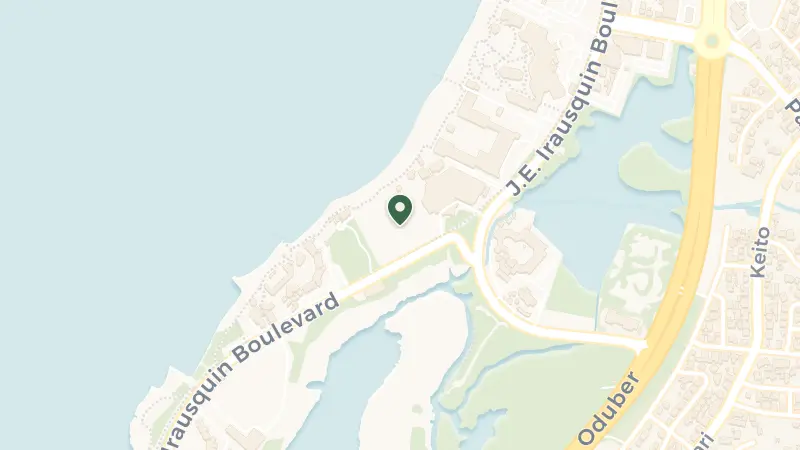
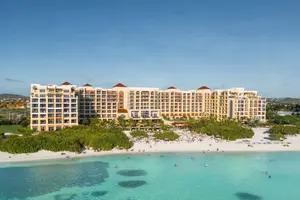
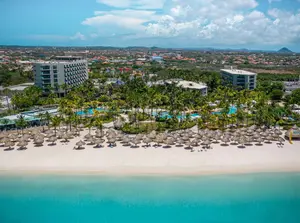
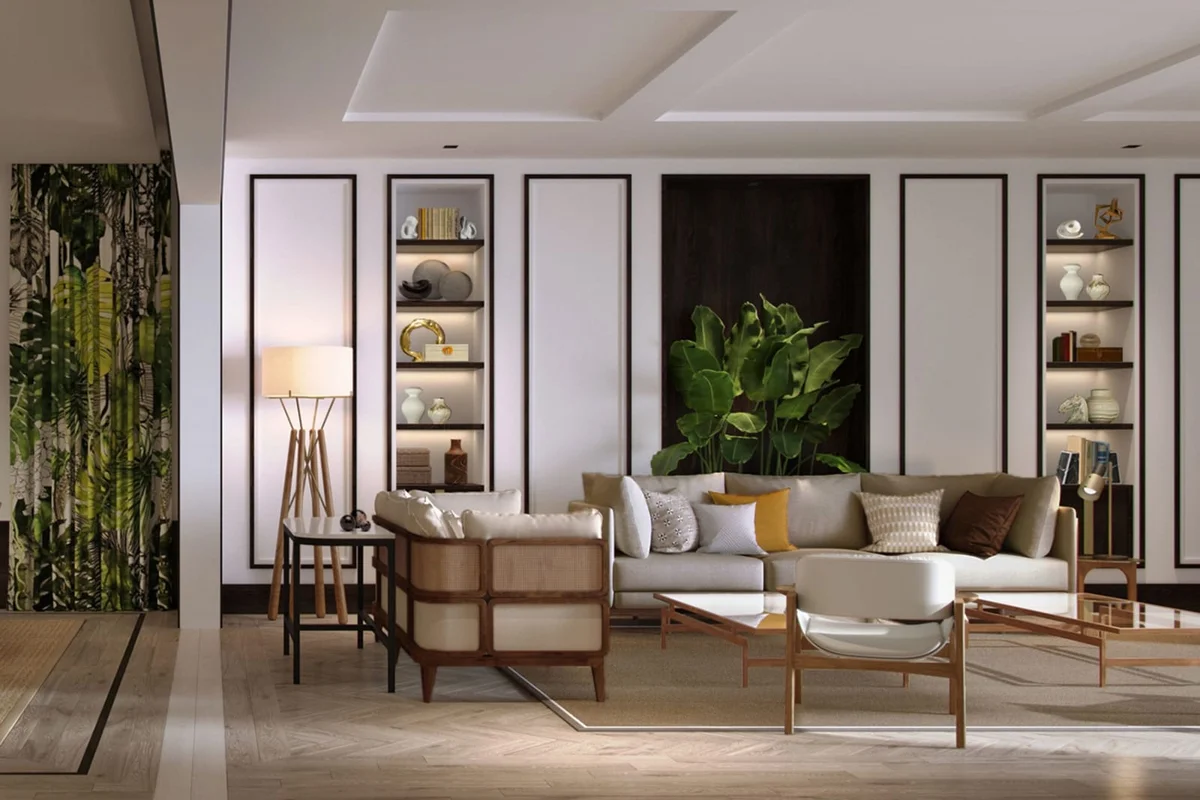
St. Regis maintains its signature approach on this Dutch Caribbean island: dedicated butler service, the brand's original Bloody Mary served with ceremony, and interiors that marry formal refinement with local character. The property stands in Noord, Aruba's hotel-dense northern corridor where the tone shifts from the capital's bustle to a rhythm governed by surf and trade winds.
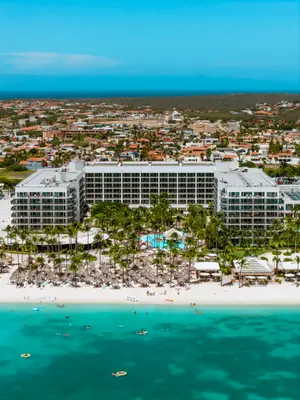
Palm Beach unfolds a kilometre north, its wide crescent of white sand backed by high-rise towers and the occasional tamarind tree. The California Lighthouse marks the island's northwestern tip, a stone sentinel built in 1910 that still guides ships through the channel between Aruba and Venezuela. Inland, the landscape turns scrubby and volcanic: divi-divi trees bent perpetually eastward by the constant breeze, cacti clustering in the red dirt. This is desert terrain tempered by sea air, a geography shaped by centuries outside the hurricane belt.
Aruba's history traces through Caquetío settlements, Spanish colonial neglect, and Dutch pragmatism that turned the island into a refining hub in the twentieth century. Queen Beatrix International Airport lies eight kilometres southeast, linked by a twenty-minute drive along the coast road.
The Bird Sanctuary sits half a kilometre away, a pair of shallow lakes where herons and cormorants gather at dawn. Farther afield, Arikok National Park protects fifteen kilometres of the island's windward interior: limestone caves carved with Arawak petroglyphs, trails through organ pipe cacti and stands of mesquite, the Natural Pool where waves crash into a volcanic basin. The SS Antilla rests four kilometres offshore, a German freighter scuttled in 1940 and now the Caribbean's largest diveable wreck, its hull encrusted with coral and patrolled by schools of yellowtail snapper.
Palm Beach stretches to the north, its calm waters anchored by catamarans and paddleboards. Eagle Beach runs south along the coast, wider and quieter, where fofoti trees frame the sand. Tierra del Sol Golf Course lies five kilometres northwest, Tom Weiskopf's design routed through limestone outcrops and seaside cliffs. Book a late tee time when the afternoon light turns the fairways gold and the wind eases.
The dry season runs January through April, when rainfall drops to almost nothing and the trade winds hold steady at twenty knots. Mornings break clear and warm, the sun climbing fast over water that stays calm inside the reef. The air feels taut and bright, humidity barely above sixty percent.
May through August brings slightly warmer days, temperatures nudging past twenty-nine degrees, but the breeze keeps the heat from settling. September marks the technical start of hurricane season, though Aruba's position below the storm track means only an increase in afternoon showers. October and November see the most rain, brief tropical downpours that clear within the hour and leave the desert blooming with yellow prickly pear flowers.
December cools marginally, the island filling with North American visitors escaping winter. The shoulder months of May and June offer the best balance: warm water, light crowds, and hotel rates that dip before summer.
Frequently Asked Questions

Quotes are personally reviewed by Natasha Hardy, founder of The Uncommon Traveller
5.0 rating · 8 Google reviewsThere is no fee or markup. The hotel pays our commission.
Request a Quote