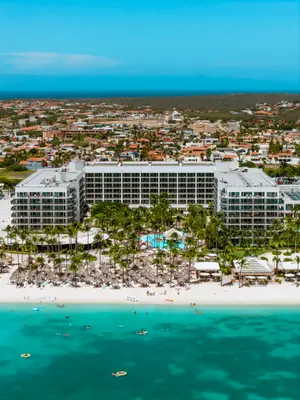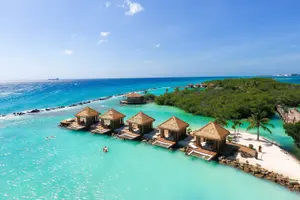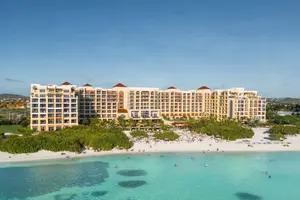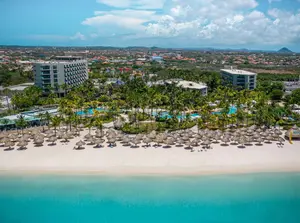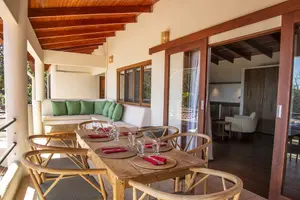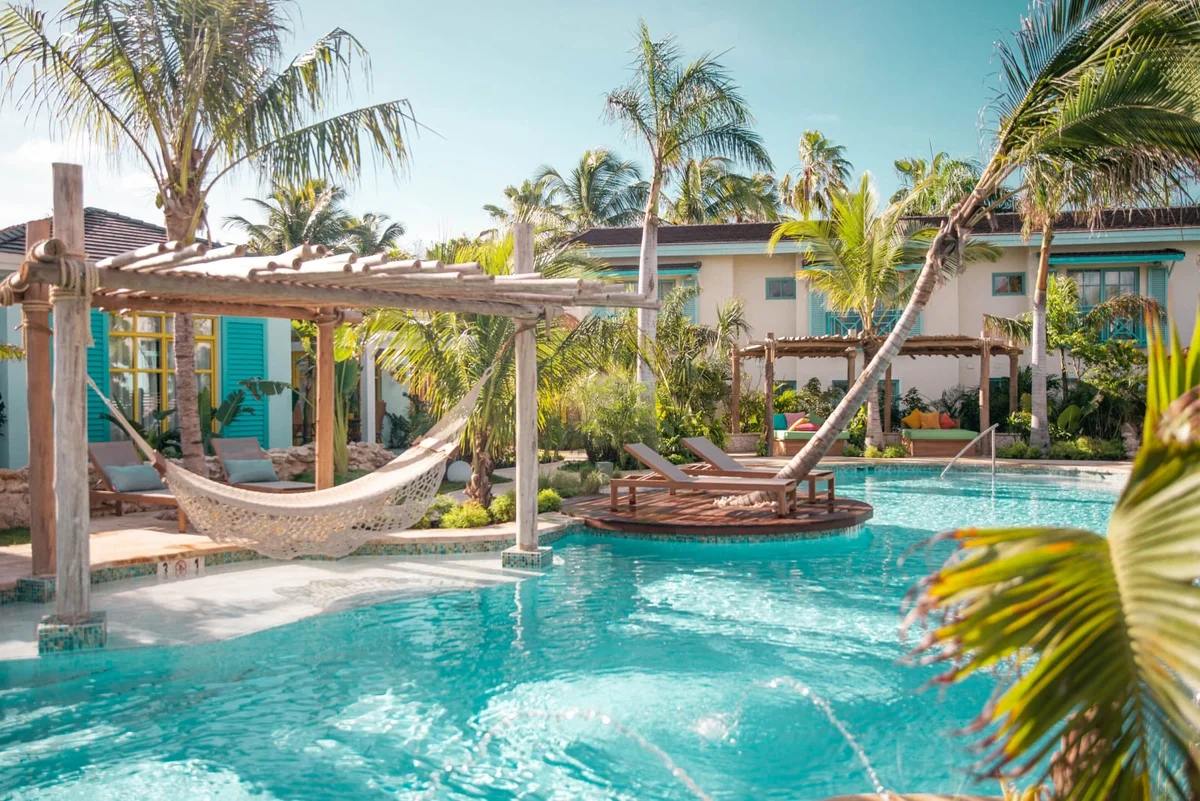
Boardwalk Boutique Hotel Aruba - Adults Only
When you book Boardwalk Boutique Hotel Aruba - Adults Only through our Tablet Plus partnership, your stay includes a one-category room upgrade and late check-out when available. No premium credit card or membership needed: request a quote and our advisor books it at the same rate as booking direct.
Exclusive Booking Perks
These perks are included with your stay at the same rate as booking direct with the hotel.
- Upgrade to next room category, based upon availability at check-in
- Guaranteed 1pm late check-out
- Complimentary welcome drink per guest, per stay
- Complimentary bottle of prosecco and snacks in room on arrival
- One complimentary breakfast per guest, per stay
Guest feedback
9.8/10 from 427 guest reviews
Read what guests commentedBy category
Guests liked
- Great location
- Friendly staff
Points to consider
- Poor cleanliness
- Inconsistent service
Location
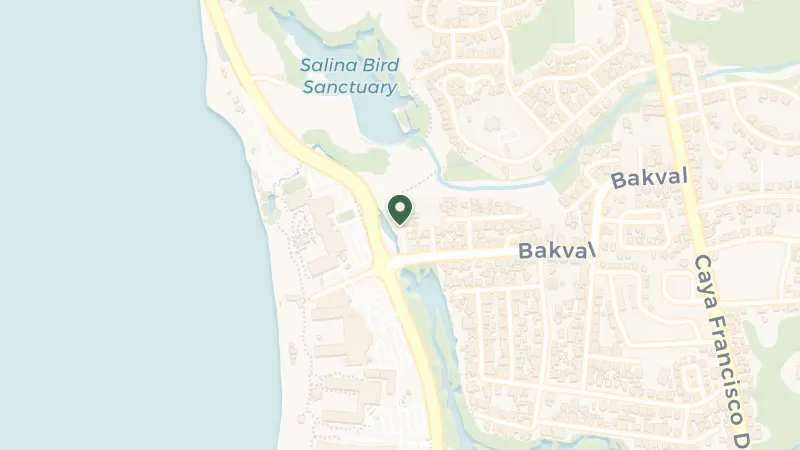
The property sits on Aruba's northwest coast in West Punt, where the island's famously arid character meets a stretch of pale sand beaches and turquoise shallows. This is the quieter end of the low-rise hotel strip, removed from the high-density resorts yet still within reach of the island's most swimmable shores. Hadicurari Beach lies half a kilometre away, a favourite with windsurfers who chase the constant trade winds that keep Aruba dry and breezy year-round. Palm Beach stretches just beyond, its wide expanse backed by low-slung buildings and beach bars that hum with activity after sunset.
Aruba itself stands apart from its Caribbean neighbours. Where other islands court humidity and rainforest, this flat coral outcrop on the South American continental shelf cultivates cacti, divi-divi trees bent permanently westward by the wind, and a scrubland dotted with aloe. The landscape feels more Sonoran than tropical, the air perpetually clear, the sun unrelenting. Oranjestad, the compact capital, lies about eight kilometres southeast, its Dutch colonial facades painted in sherbet colours along the waterfront.
Queen Beatrix International Airport sits ten kilometres away, a short drive that delivers arrivals straight into the island's signature light: sharp, bright, and unfiltered by cloud.
The beaches form the natural centre of gravity here. Hadicurari, locally called Fisherman's Huts, draws kiteboarders who launch from the sand in steady winds that blow strongest between June and August. Palm Beach offers calmer water for swimming, its shore lined with palapas and vendors selling fresh coconut water. For divers, the SS Antilla wreck rests three kilometres offshore, a German freighter scuttled in 1940 and now encrusted with coral, accessible by boat from nearby operators. Book a morning dive when visibility peaks and barracuda school near the bow.
Inland, Arikok National Park sprawls across nearly twenty percent of the island, sixteen kilometres east. Trails wind through limestone caves once sheltered by indigenous Arawak people, past natural pools carved into volcanic rock where waves crash through openings in the cliffs. The drive to the park crosses Aruba's interior, where goats pick their way through scrub and the horizon stretches flat in all directions. Start early to walk the trails before midday heat makes the exposed terrain punishing.
January through March deliver Aruba's driest, most comfortable months, when daytime temperatures hover near twenty-seven degrees and nights cool slightly. The trade winds blow steadily, keeping the air from feeling oppressive despite the relentless sun. February sees barely any rain; the landscape stays brown and brittle, a testament to the island's desert classification.
Summer brings incremental warmth, with August nudging past twenty-nine degrees, but the constant breeze keeps conditions tolerable for beach time and outdoor exploration. The wind strengthens mid-year, drawing serious kiteboarders and windsurfers to the northwest coast.
October and November mark the wettest stretch, though even then Aruba remains drier than most Caribbean destinations. Brief afternoon showers arrive sporadically, more nuisance than deterrent. December transitions back toward peak season, when North American travellers flood the island seeking guaranteed sunshine and sea that rarely dips below visibility-perfect clarity.
Frequently Asked Questions

Quotes are personally reviewed by Natasha Hardy, founder of The Uncommon Traveller
5.0 rating · 8 Google reviewsThere is no fee or markup. The hotel pays our commission.
Request a Quote