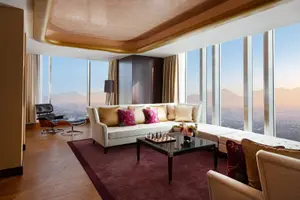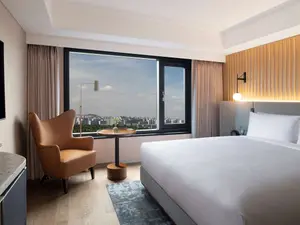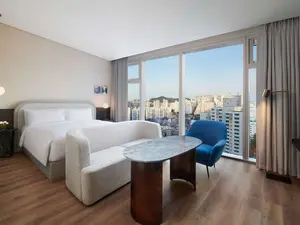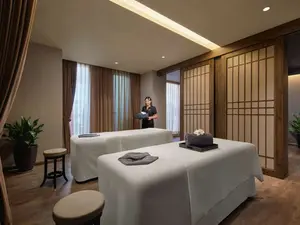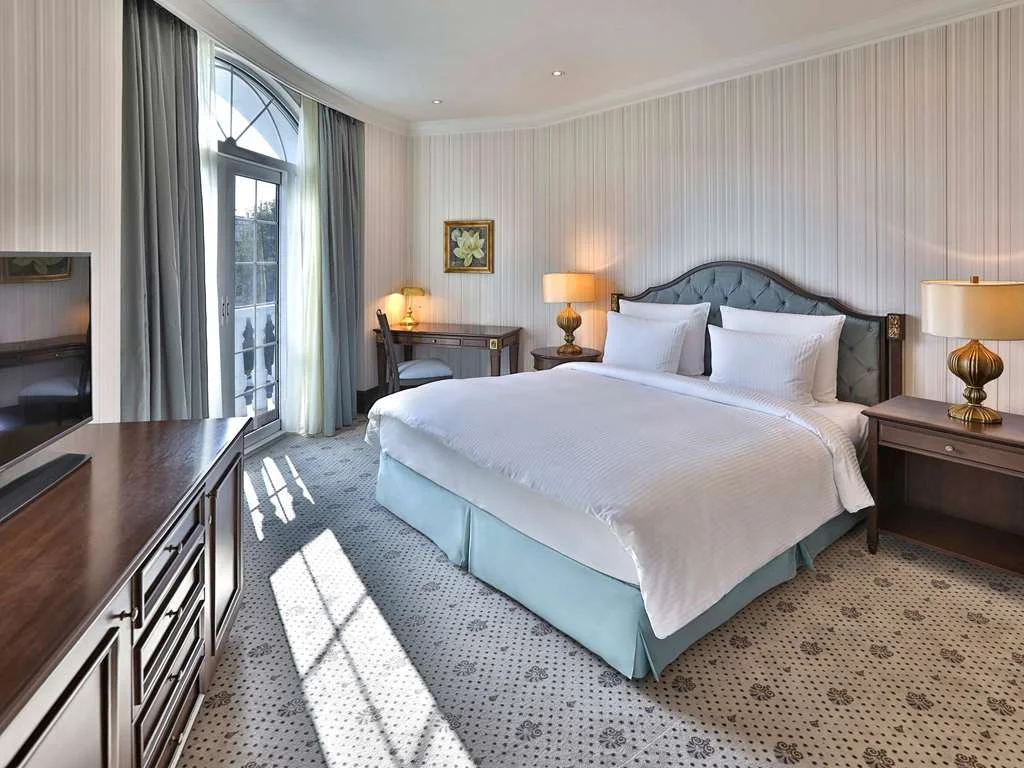
Rixos Almaty Hotel
Almaty Kazakhstan Asia
When you book Rixos Almaty Hotel in Kazakhstan through our Accor Preferred partnership, your stay includes daily breakfast for two and a $100 USD hotel credit. You also receive a room upgrade, early check-in and late check-out when available. No premium credit card or membership needed: request a quote and our advisor books it at the same rate as booking direct.
Exclusive Booking Perks
These perks are included with your stay at the same rate as booking direct with the hotel.
- Daily complimentary breakfast for 2, per room
- $100 USD credit to be spent on property (conditions defined at check-in)
- Early check-in & late check-out (upon availability)
- Upgrade at time of check-in (upon availability)
Location
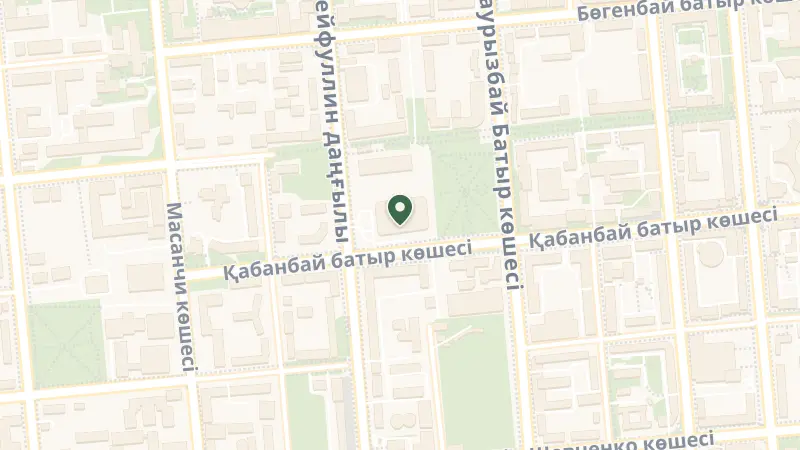
Almaty sprawls across the foothills of the Trans-Ili Alatau, a city of two million caught between Soviet-era geometry and the raw pull of the mountains. The Big and Small Almaty rivers carve through neighbourhoods where plane trees shade wide boulevards, and the air carries the scent of grilled shashlyk from street-side stands. This was Kazakhstan's capital until 1997, and it retains the cultural weight of that past: theatres, museums, and a UNESCO designation as a Creative City of Music give the city a creative vitality rare in Central Asia.
The Almaly District, where the property sits within the Golden Square, places you near the commercial and cultural heart. Ascension Cathedral, a pastel-coloured Russian Orthodox marvel from the early 20th century, stands a short walk away, its gilt domes visible above the treetops. The Green Bazaar sprawls just over two kilometres north, a sensory riot of dried apricots, horse sausage, and pyramids of spices under corrugated metal roofs. Arbat, the pedestrian artery, hums with buskers and portrait artists, while Kök Töbe, the hilltop recreation area, offers panoramic views of the city grid dissolving into the Tian Shan foothills.
Almaty International Airport lies fifteen kilometres southeast, reachable by taxi in under thirty minutes when traffic cooperates. The city's elevation, nearly 900 metres, keeps the air crisp even in summer.
Start with the Green Bazaar, where vendors arrange kumis in plastic bottles alongside towers of fresh pomegranates and honey still in the comb. The market is a lesson in Central Asian flavour: plov fragrant with cumin, lagman noodles stretched by hand, and pickled vegetables in jars labelled only in Cyrillic. Three kilometres west, the A. Kasteyev State Museum of Arts holds a collection of Kazakh and Russian painting that traces the region's visual identity through Soviet Realism and beyond. The Museum of Almaty, opened in 2001, offers a closer look at the city's evolution from tsarist outpost to post-Soviet metropolis, with exhibits on the 1911 earthquake that levelled much of the early settlement.
For escapes into the Tian Shan, the Butakovskiy waterfall tumbles thirty metres down a rock face seventeen kilometres south, reachable by a steep trail through juniper scrub. In winter, Shymbulak, a ski area nineteen kilometres from the city, draws serious skiers to its high-altitude runs. Book a table at one of the wineries near the foothills, where Cicada, four kilometres southwest, produces small-batch wines in a region better known for fermented mare's milk than viticulture.
Winter in Almaty is sharp and bright, with temperatures often dipping below minus five at night. Snow dusts the mountains, and the city takes on a quiet, bundled-up rhythm. The slopes at Shymbulak open for skiing, and smoke from coal stoves hangs in the morning air.
Spring arrives late, with March and April bringing rain that turns the foothills vivid green. The light grows longer, and apricot trees bloom in the outer suburbs. By May, the city sheds its coats, and outdoor cafes begin to fill.
Summer is brief but intense, with July temperatures climbing near thirty degrees. The heat drives locals to the mountains for weekend hikes, and the Arbat pedestrian zone becomes a nightly gathering point. September cools quickly, painting the city's parks in amber and rust before the first frost returns in late October.
Frequently Asked Questions

Quotes are personally reviewed by Natasha Hardy, founder of The Uncommon Traveller
5.0 rating · 8 Google reviewsThere is no fee or markup. The hotel pays our commission.
Request a Quote