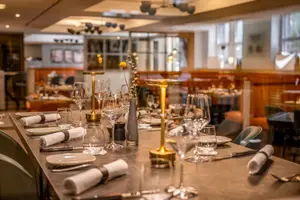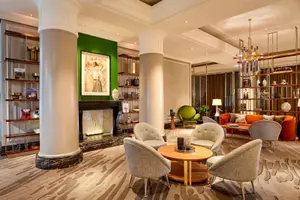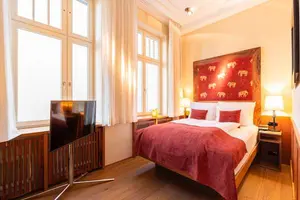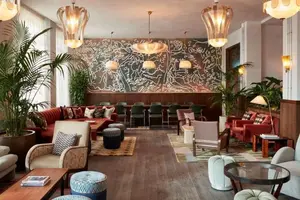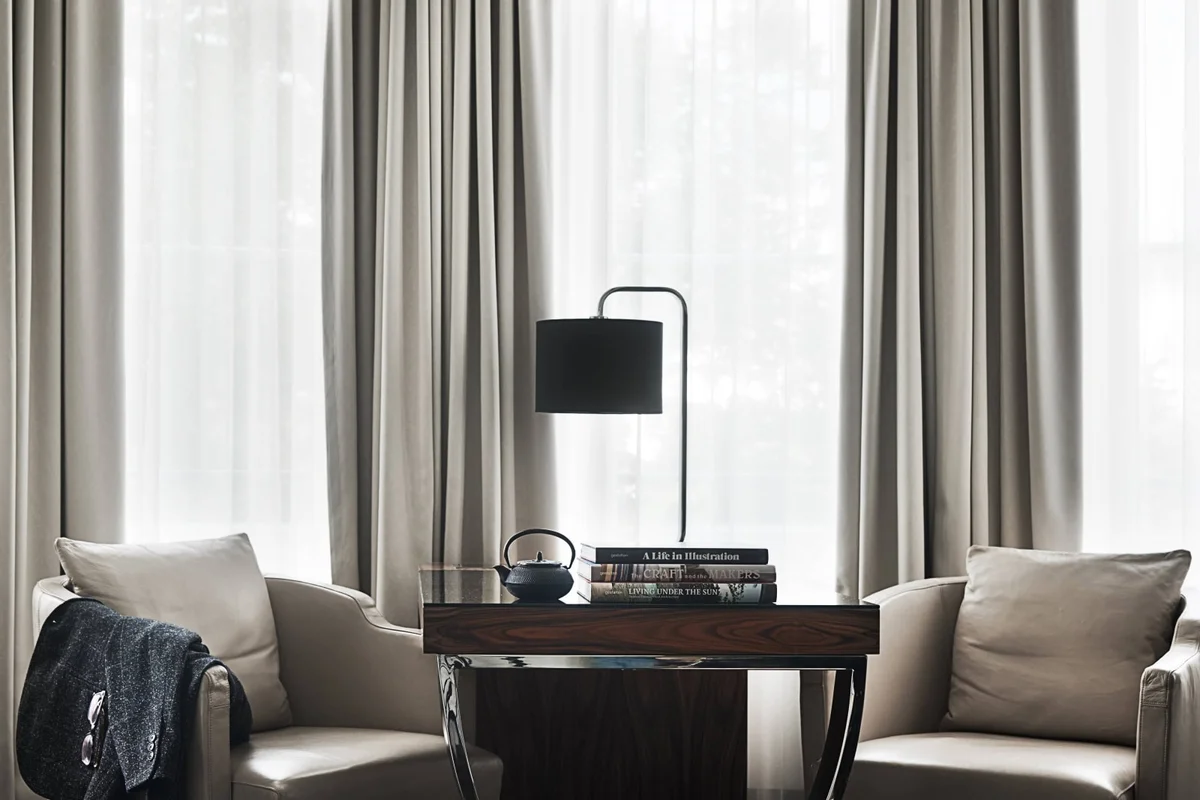
Roomers Berlin Steinplatz
When you book Roomers Berlin Steinplatz in Germany through our Marriott Luminous partnership, your stay includes daily breakfast for two and a welcome amenity. You also receive a room upgrade, early check-in and late check-out when available. No premium credit card or membership needed: request a quote and our advisor books it at the same rate as booking direct.
Exclusive Booking Perks
These perks are included with your stay at the same rate as booking direct with the hotel.
- Welcome amenity
- Complimentary breakfast daily for two guests per room
- Early check-in and late check-out (when available)
- Complimentary upgrade (if available at check-in)
Location
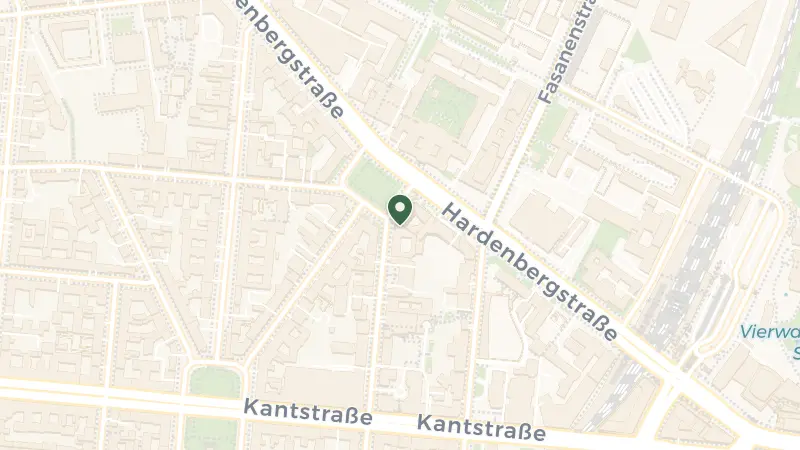
Charlottenburg carries the weight of Berlin's imperial past without the self-consciousness. The neighbourhood unfolds west of the city centre around the palace that gave it its name, Charlottenburg Palace, completed in 1791 as a summer residence for Sophie Charlotte of Hanover. The streets here pulse with a different rhythm than the graffitied energy of Kreuzberg or the startup hum of Mitte: think grand boulevards lined with chestnuts, 19th-century apartment blocks with wrought-iron balconies, and the kind of cafés where conversations linger over Kaffee und Kuchen. The Spree river threads through the western districts, feeding into the Havel and opening onto a network of lakes that give the city its unexpected aquatic character.
The palace grounds anchor the area with formal gardens and adjacent museums, including the Bröhan Museum's Art Nouveau and Art Deco collections. Wochenmarkt am Hohenzollernplatz, just over a kilometre away, draws locals every Saturday for asparagus in spring and wild mushrooms come autumn. Kurfürstendamm, Berlin's wide commercial artery, runs through the southern edge of the neighbourhood with department stores and theatres that predate the Cold War division.
Berlin Brandenburg Airport sits 20 kilometres southeast, connected by direct train services that reach central stations in under half an hour. The journey into Charlottenburg crosses the old East-West divide, a geography that shaped this city for half a century but feels increasingly like historical backdrop rather than living scar.
Berlin's Michelin constellation spans the city's districts, with three exceptional tables within striking distance. Rutz, 4.6 kilometres north in Mitte, holds three stars for Marco Müller's "Inspiration" tasting menu, a culinary journey built on clear narrative and seasonal precision. FACIL occupies a fifth-floor terrace on Potsdamer Platz, 3.2 kilometres southeast, where two-starred contemporary plates unfold amid chestnut trees and a fountain, an oasis above the traffic. Book a table at Tim Raue, 4.5 kilometres south, for the chef's signature fusion of European technique and Asian flavours, a style genuinely singular in Germany's dining landscape. The Wochenmarkt am Hohenzollernplatz brings the weekly ritual of selecting produce directly from Brandenburg farmers, while Thaipark, two kilometres north, transforms into a Thai street food market on summer weekends, vendors preparing som tam and grilled meats under makeshift tents.
Museumsinsel, the UNESCO-listed museum complex on the Spree, lies five kilometres east with collections spanning ancient Egypt to 19th-century painting. The Gedenkstätte Berliner Mauer preserves a section of the Wall with its watchtower and death strip intact, a stark geography lesson in barbed wire and concrete. For an afternoon on the water, the Anleger am Schiffsrestaurant van Loon offers boat hire along the Spree's quieter western stretches.
Winter settles over Berlin with short, pewter-grey days and temperatures hovering just below freezing, the city's café culture moving decisively indoors. Snow falls sporadically but rarely settles long, turning to slush on heated pavements. The cold bites cleanly, without the damp that makes other northern European winters so penetrating.
Spring arrives tentatively in March, with chestnuts leafing out along the boulevards and café tables reappearing on pavements by mid-April. May brings the city's most reliable warmth, long evenings that stretch past nine o'clock and parks filling with picnic blankets. Summer peaks in July with temperatures in the low twenties, warm enough for swimming in the city's lakes but rarely oppressive.
Autumn's golden light slants through October, the Tiergarten's lindens turning yellow before November's grey curtain descends. September remains the sweet spot: settled weather, thinning crowds, and the cultural calendar in full swing after the summer pause.
Frequently Asked Questions

Quotes are personally reviewed by Natasha Hardy, founder of The Uncommon Traveller
5.0 rating · 8 Google reviewsThere is no fee or markup. The hotel pays our commission.
Request a Quote 9 Bib Gourmand