Royal Livingstone Victoria Falls Zambia Hotel by Anantara
When you book Royal Livingstone Victoria Falls Zambia Hotel by Anantara through our Virtuoso partnership, your stay includes daily buffet breakfast for up to two guests and a $100 USD food and beverage credit. You also receive a room upgrade, early check-in and late check-out when available. No premium credit card or membership needed: request a quote and our advisor books it at the same rate as booking direct.
Exclusive Booking Perks
These perks are included with your stay at the same rate as booking direct with the hotel.
- Upgrade on arrival, subject to availability
- Daily Buffet breakfast for up to two guests per bedroom, served in the restaurant and via in-room dining
- $100 USD Food & Beverage credit
- Complimentary 30-minute foot therapy massage per person per stay
- For stays of 3 nights or more, guests will also receive:
- Complimentary one-way private transfer from the airport to the hotel
- And a Royal gin and tonic experience for 2 people once per stay
- Early Check-In / Late Check-Out, subject to availability
Location
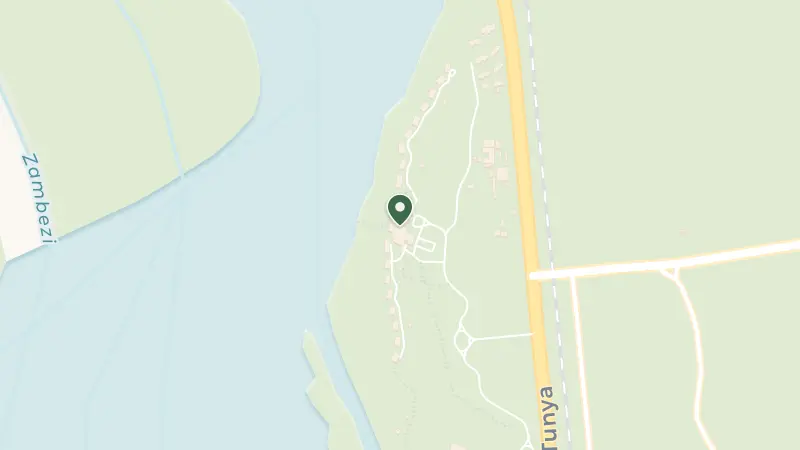
Anantara's philosophy, embodied in the Sanskrit "without end", finds its fullest expression at the Zambezi River edge, where the property overlooks one of the planet's most powerful natural spectacles. The hotel sits within sight of Mosi-oa-Tunya, the "Smoke that Thunders", as Victoria Falls is known in the Tonga language. The roar is constant, a low rumble that becomes the soundscape of every meal, every conversation, every moment spent on the grounds. Mist rises in billowing columns visible for kilometres, catching light in rainbows that shift with the sun's angle.
The Zambian side of the falls offers a quieter, more intimate encounter with the cataract than its more developed Zimbabwean counterpart across the Zambezi. Within a kilometre, the Eastern Cataract, Rainbow Falls, and Horseshoe Falls send 550 million cubic litres of water per minute over basalt cliffs during peak flow. The surrounding rainforest, sustained by perpetual spray, grows thick with mahogany and fig trees. Zebra and giraffe wander the grounds, part of the wildlife corridor that connects Mosi-oa-Tunya National Park with the Zambezi floodplain.
Harry Mwanga Nkumbula International Airport lies twelve kilometres east, a short transfer through miombo woodland and past roadside stalls selling carved elephants and woven baskets. Victoria Falls International Airport in Zimbabwe is twenty kilometres west for those arriving via regional connections.
The falls demand the first morning. Walk the knife-edge path through Victoria Falls Rainforest, where spray-fed ferns drip onto the trail and the thunder becomes deafening at the overlooks. Eastern Cataract and Arm Chair Falls, both less than a kilometre from the property, offer different perspectives: the former a wide curtain of white water, the latter a semicircular amphitheatre where the Zambezi curls over the precipice. Book a sunrise helicopter flight for the full aerial view, the gorge's zigzag geography and the plume of mist rising like smoke from a geological furnace. On the Zimbabwean side, a kilometre across the river, the wider viewpoints reveal the entire width of the falls, though border formalities add time.
Mosi-oa-Tunya National Park, five kilometres south, protects white rhino populations; morning game drives often yield close encounters. The Zambezi itself offers sunset cruises where hippos surface between sandbars and elephant herds cross at shallow points. For dining beyond the property, Livingstone town, seven kilometres northeast, centres on markets like Dambwa and Maramba, where vendors sell dried kapenta fish and nshima flour alongside hand-dyed chitenge cloth. Don't miss bream grilled over charcoal at the Vegetable Market stalls.
The dry winter months from May through September bring crisp mornings, mid-twenties afternoons, and virtually no rain. July and August see the Zambezi at its lowest, the falls less voluminous but the exposed rock face dramatic in its own right. September heat builds toward the rains, the air dry and golden, wildlife congregating near shrinking waterholes.
October through December is green season: afternoon storms break the heat, the landscape flushes emerald, and December rains swell the river for the next flood cycle. January through April is high-water season, when the falls reach their thunderous peak and spray soaks visitors even at distant viewpoints. The mist rises highest, the roar loudest, the spectacle most overwhelming.
February and March balance drama with accessibility: the falls still roar, the rainforest gleams, and afternoon showers clear quickly into luminous evenings.
Frequently Asked Questions

Quotes are personally reviewed by Natasha Hardy, founder of The Uncommon Traveller
5.0 rating · 8 Google reviewsThere is no fee or markup. The hotel pays our commission.
Request a Quote