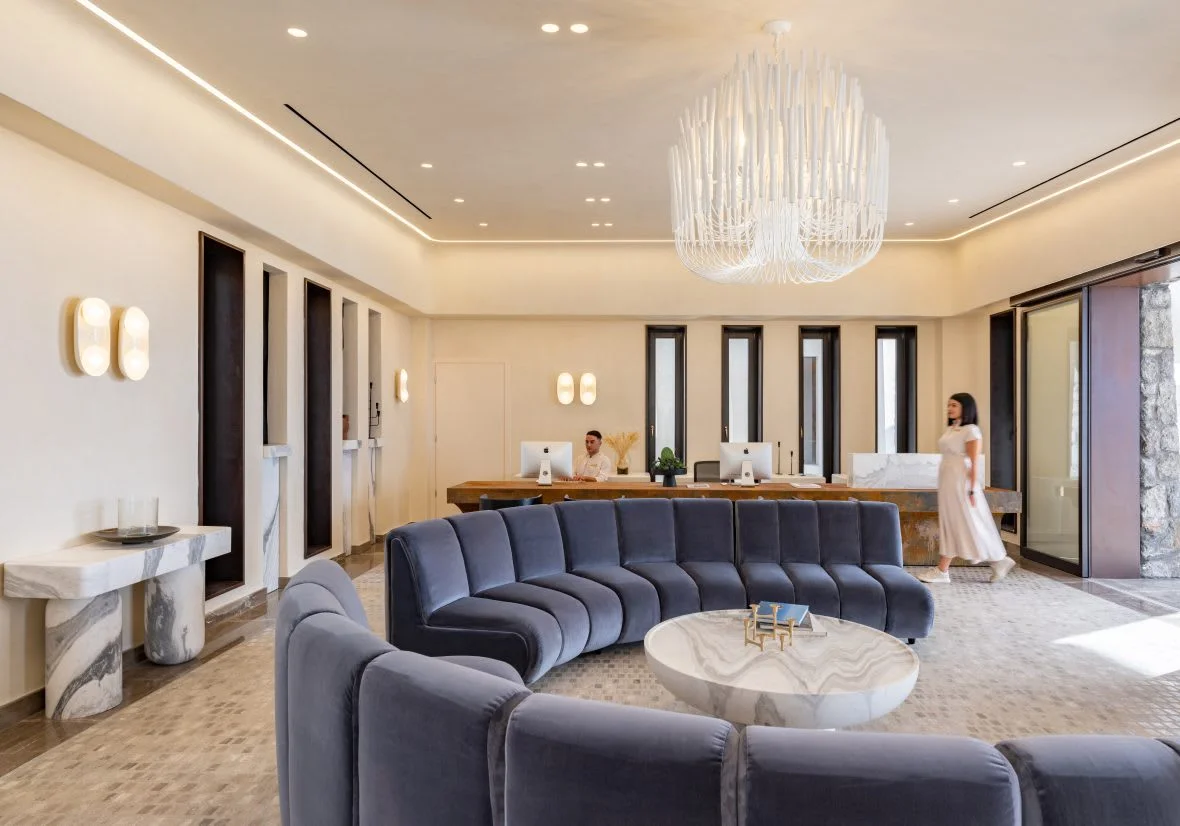
Santo Mine Oia Suites
When you book Santo Mine Oia Suites in Santorini, Greece, through our Fora Rates partnership, your stay includes a food and beverage credit and a welcome gift. You also receive a room upgrade, early check-in and late check-out when available. No premium credit card or membership needed: request a quote and our advisor books it at the same rate as booking direct.
Special Offer
15% off - For all reservations made during the - The hotel accepts only adults & children over 12 years old + All the stop sales dates, current & future dates, should be honored
Exclusive Booking Perks
These perks are included with your stay at the same rate as booking direct with the hotel.
- Welcome Gift
- Early Checkin Late Checkout Subject To Availability
- Upgrade At Time Of Checkin Subject To Availability
- 1 Yoga Session
- 50Eur F&B Credit
- Environmental Fee Is Charged At Checkout
Location
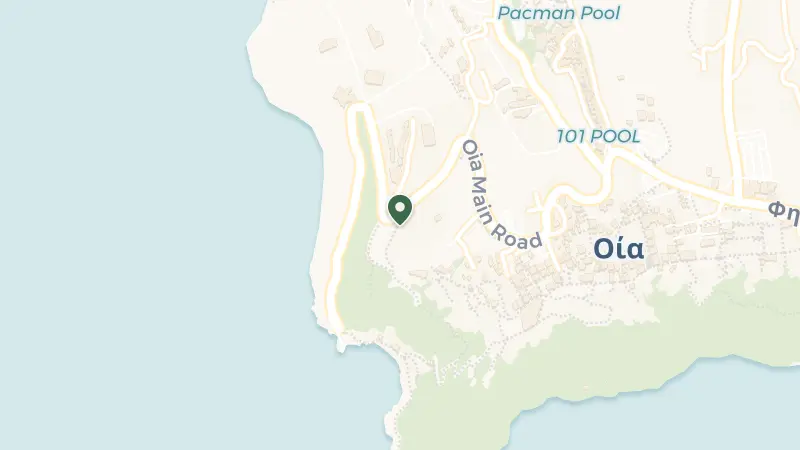
Oia clings to the caldera's northern rim, where whitewashed cave houses and blue-domed chapels spill down volcanic cliffs toward the Aegean. The village occupies the edge of what remains after one of history's most catastrophic eruptions, a blast 3,600 years ago that left a water-filled crater and sheer cliffs streaked with pumice, basalt, and rust-red scoria. Ormos Ammoudiou sits just below the clifftop, a small harbour carved into the caldera wall where fishing boats still tie up at dawn.
The light here is sharper than anywhere else in the Cyclades. Mornings arrive cool and clear, the sun burning through marine haze to reveal Nea Kameni's black cone rising from the caldera's centre. By afternoon, the limestone lanes are empty, shutters drawn against the heat. Then the entire island pivots toward sunset, when Oia's marble steps and terraces fill with pilgrims come to watch the sun drop into the sea.
Santorini International Airport lies twelve kilometres south, a twenty-minute drive through vineyards trained low against the wind. Most arrivals come by ferry, disembarking at Athinios port on the western coast before winding up the switchbacks to the caldera's edge.
Katharos beach, a crescent of black sand six hundred metres north, offers morning swimming before the wind picks up. The island's volcanic soils produce assyrtiko grapes with a saline minerality found nowhere else; Domaine Sigalas Winery, just over two kilometres inland, presses some of the Aegean's most precise whites in a landscape of basket-pruned vines and volcanic ash. Book a tasting to understand why phylloxera never reached these ungrafted rootstock.
The caldera itself demands attention. Dive sites around the submerged crater walls reveal underwater fumaroles and lava formations still cooling after millennia. On land, the nature reserve at Faros Akrotiriou extends along the island's northwestern tip, where lighthouse trails cross scrubland bright with spring wildflowers. For provisions, the regional market seven kilometres south stocks local fava, sun-dried tomatoes, and caper leaves pickled in sea salt. Start with these before any taverna meal to understand what Santorinian cooking tastes like at its source.
Summer arrives rainless and absolute. July and August see temperatures climb past twenty-five degrees, the meltemi wind blowing hot and steady from the north, keeping the air dry even as the sun burns white overhead. The sea warms to bathing temperature, the caldera glittering like hammered metal by midday.
Spring and autumn frame the high season with gentler light and emptier lanes. May and September offer warm days in the low twenties, cooler evenings, and the occasional shower that turns the volcanic dust to mud. Wildflowers cover the interior in April; by October, the grape harvest is already pressed and fermenting in island cellars.
Winter brings rain and solitude. December sees the most precipitation, grey clouds rolling in from the Aegean as temperatures drop to the low teens. The island empties, restaurants close, and the caldera takes on the brooding character of a place shaped entirely by geologic violence.
Frequently Asked Questions

Quotes are personally reviewed by Natasha Hardy, founder of The Uncommon Traveller
5.0 rating · 8 Google reviewsThere is no fee or markup. The hotel pays our commission.
Request a Quote