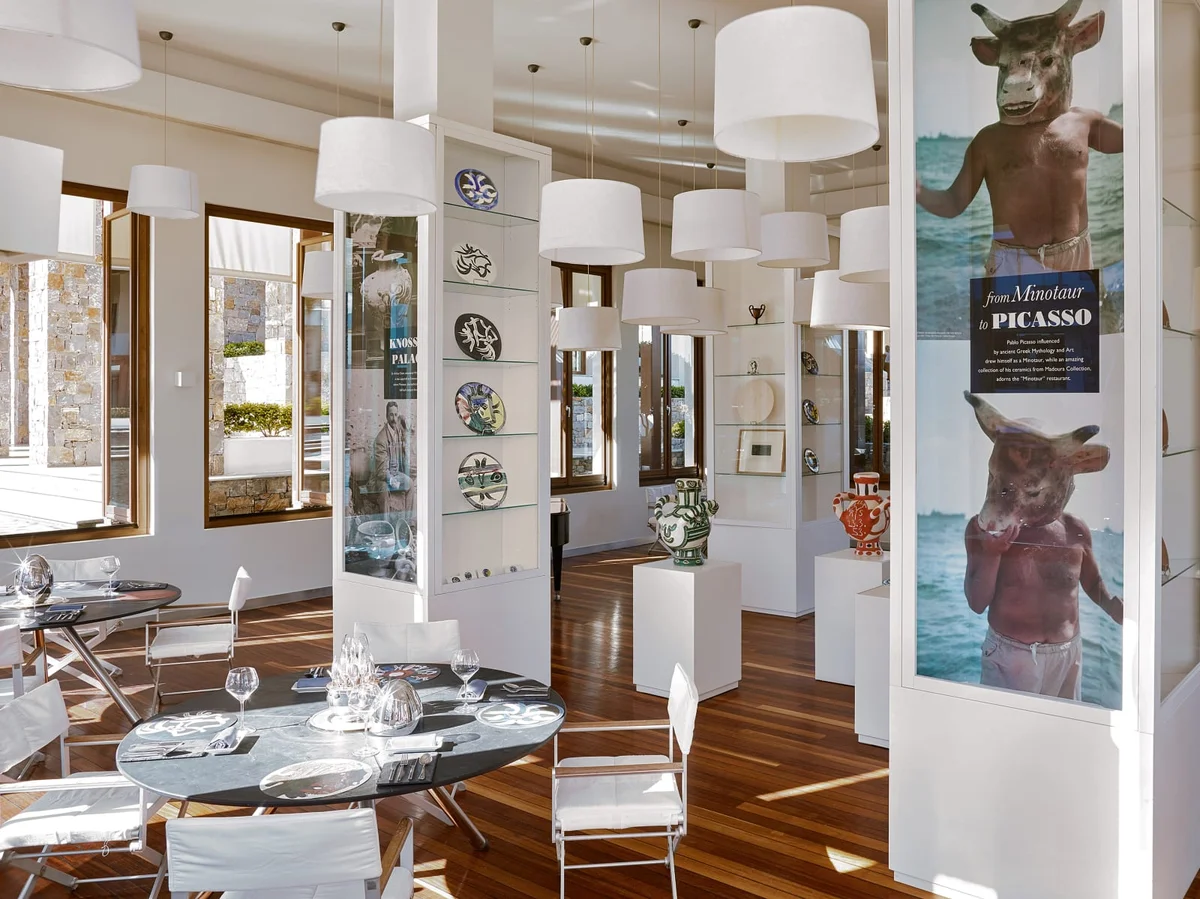
Amirandes, A Grecotel Resort to Live
When you book Amirandes, A Grecotel Resort to Live in Crete, Greece, through our Fora Rates partnership, your stay includes daily breakfast for up to two guests and a $100 USD resort or hotel credit. You also receive a room upgrade when available. No premium credit card or membership needed: request a quote and our advisor books it at the same rate as booking direct.
Exclusive Booking Perks
These perks are included with your stay at the same rate as booking direct with the hotel.
- Upgrade on arrival, subject to availability
- Daily breakfast for up to two guests per bedroom, served in the restaurant and ...
- $100 USD equivalent Resort or Hotel credit (not comb...)
- Bookings in our Villas and Suites will also receive:
- Degustation menu at our prestigious restaurant "Minotaur" once during stay, exc...
- Private gazebo on villas' beach.
- Private Luxury round trip transfer from / to Heraklion Int Airport
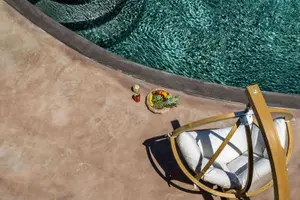
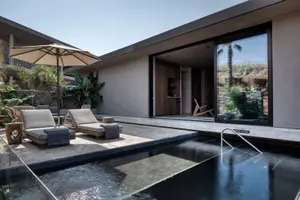
- Room Service "Floating Breakfast" in your private Villa's pool, once per stay
- Stays of 4+ nights in Villa Accommodations will also receive:
- Wine tasting with our Sommelier, presenting famous Wineries once during stay
- Stays of 7+ nights in Villa Accommodations will also receive:
- 30 minutes Relax massage per adult per stay
Location
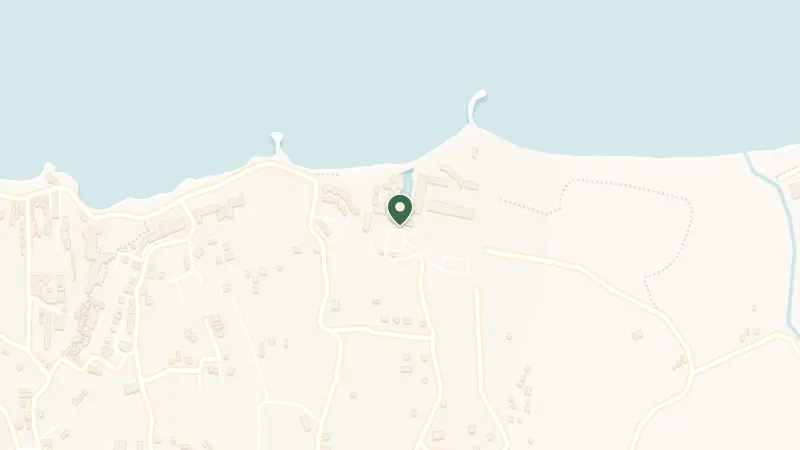
Amirandes, A Grecotel Resort to Live brings the Grecotel philosophy of place-rooted hospitality to Crete's northern coastline, where the Sea of Crete meets the rhythm of the Aegean. This is not the Crete of tourist enclaves, but a stretch of shore where the island's layered history feels close at hand: Minoan palaces a short drive south, Venetian harbours to the east, and the raw contours of the Dikti range rising inland.
The property sits in the Community of Gouve, a quieter reach between Heraklion and the headland resorts. Walk the coast here and you find fishing boats pulled up on pebble beaches, tavernas where the menu still follows the seasons, and a Cretan cadence that hasn't been flattened by crowds. The Libyan Sea lies to the south, the Cyclades somewhere over the northern horizon, and the light on the water has the clarity that comes with latitude and geology: sharp mornings, softening into haze by afternoon.
Heraklion International Nikos Kazantzakis Airport sits 13 kilometres west, a short transfer through terraced vineyards and olive groves that frame the approach. Two thousand years of civilization have left their mark here, from the Minoans who ruled this sea to the Byzantines and Venetians who followed, and the island wears that history without fuss.
The property's Minotaur restaurant takes its name from the myth at the heart of Minoan legend, and the degustation menu speaks to Crete's reputation for honest, ingredient-led cooking: wild greens foraged from the hills, seafood pulled from the morning's catch, local cheeses aged in mountain caves. Beyond the property, Crete's culinary scene leans on simplicity rather than stars, though wineries like Stilianou, 16 kilometres inland, and Titakis, 17 kilometres south, offer tastings that trace the island's volcanic soils and indigenous grape varieties. Book a table at one of the harbour tavernas in Malia, 14 kilometres east, where grilled octopus arrives still smoky from the coals.
The Minoan Palatial Centres, inscribed as a UNESCO site in 2025, lie 41 kilometres south: Knossos, Phaistos, and the other ceremonial hubs of Europe's first advanced civilization, their frescoes and labyrinthine corridors still radiating mystery. The Crete Golf Club, six kilometres away, offers a rare tee time on an island better known for hiking than fairways. Don't miss the Anavlochos nature reserve, 22 kilometres east, where trails climb through scrub and stone to Bronze Age ruins overlooking the sea.
Summer on Crete burns bright and relentless. July and August push past 32°C, the air still and dry, the sky a hard unbroken blue. Beaches fill, but the rhythm stays coastal: long afternoons under awnings, evening swims as the light turns gold.
Spring and autumn deliver Crete at its most generous. April through June brings wildflowers to the hillsides, highs in the low twenties, and clear days for the palace sites. September and October hold the warmth without the crowds, the sea still swimmable, the light softer and longer.
Winter is mild by Mediterranean standards, temperatures dipping to the mid-teens, but rain returns in December and January. The island quiets, tavernas close for the season, and the mountains inland catch snow. This is Crete for residents, not tourists.
Frequently Asked Questions

Quotes are personally reviewed by Natasha Hardy, founder of The Uncommon Traveller
5.0 rating · 8 Google reviewsThere is no fee or markup. The hotel pays our commission.
Request a Quote