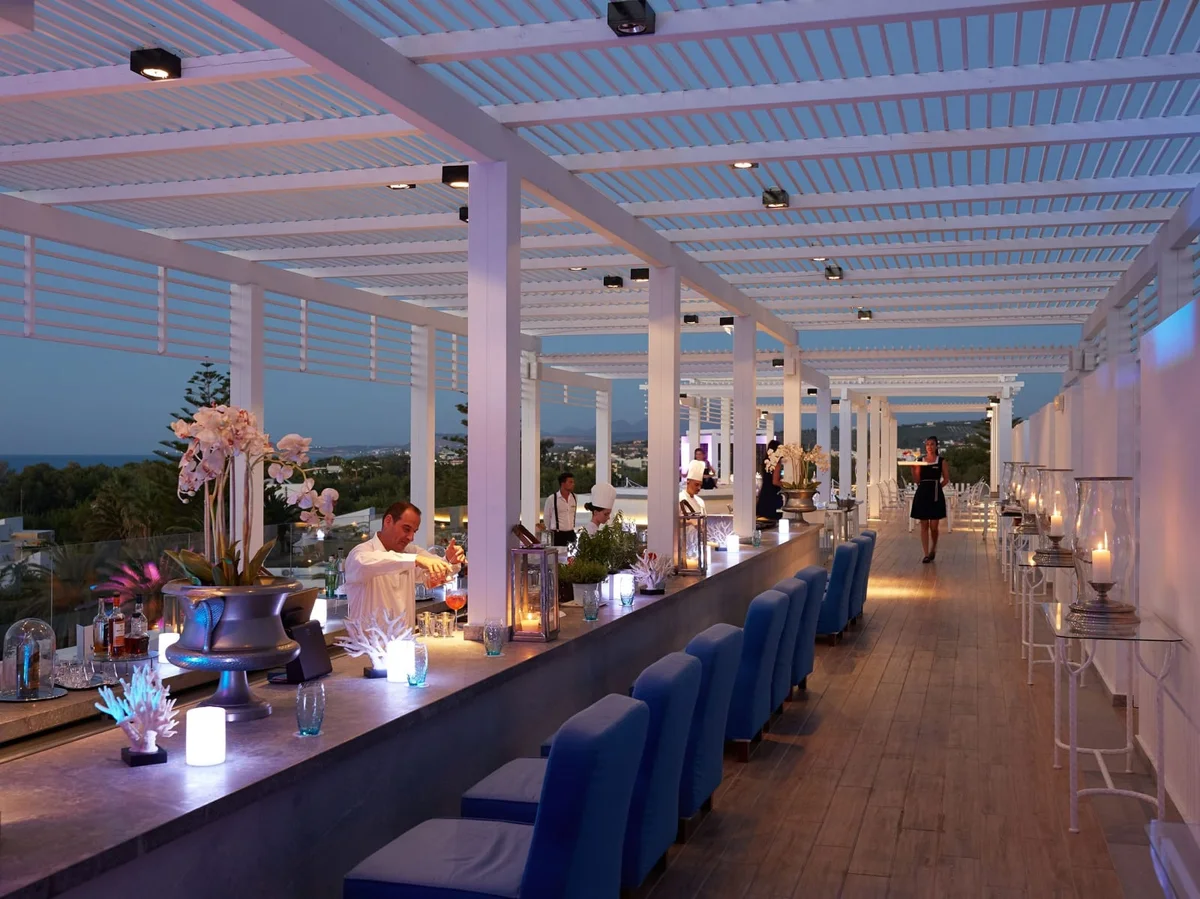
Grecotel Creta Palace
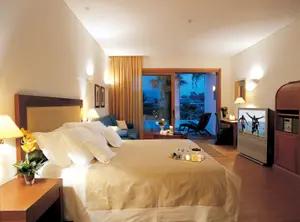
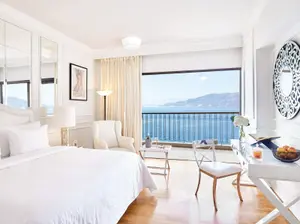
When you book Grecotel Creta Palace in Crete, Greece, through our Fora Rates partnership, your stay includes daily breakfast for up to two guests and a $100 USD resort or hotel credit. You also receive a room upgrade, early check-in and late check-out when available. No premium credit card or membership needed: request a quote and our advisor books it at the same rate as booking direct.
Exclusive Booking Perks
These perks are included with your stay at the same rate as booking direct with the hotel.
- Early check-in, late check-out (subject to availability)
- Upgrade (subject to availability)
- Welcome amenity on arrival
- Daily breakfast for up to two guests per bedroom, served in the restaurant (already included in property rates)
- $100 USD equivalent Resort or Hotel credit
Location
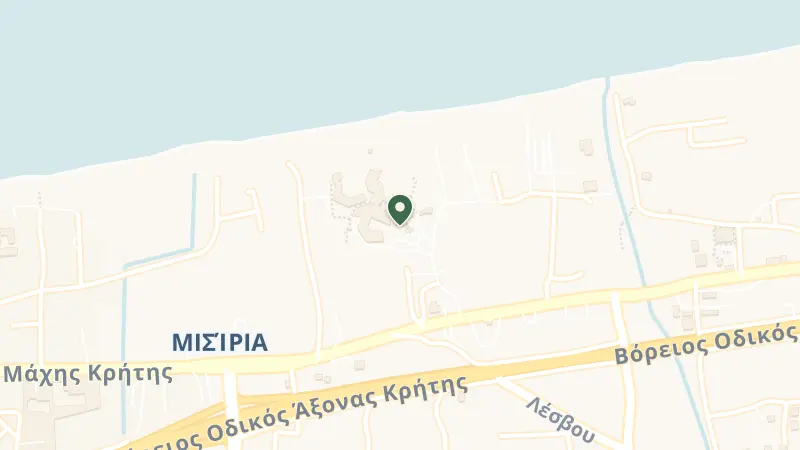
The property sits on Crete's northern coast near Rethymnon, the island's third city, where Venetian fortifications and Ottoman minarets crowd narrow lanes that smell of wild oregano and sea salt. Rethymnon Beach stretches just over a kilometre away, its pale sand lapped by the Cretan Sea, while the old town's 16th-century harbour and fortress anchor a waterfront lined with fish tavernas and gelaterias. This is Minoan country: the civilization that gave Europe its first palaces flourished here from 2700 BC, and the newly inscribed Minoan Palatial Centres lie within reach, their labyrinthine ruins still holding the weight of three millennia.
Crete spans 260 kilometres east to west, a mountainous spine dividing the Aegean from the Libyan Sea. The island's dramatic topography compresses Mediterranean microclimates: snow-capped peaks in winter, arid gorges in summer, fertile plains where olive groves have grown for four thousand years. Rethymnon itself occupies a middle ground between Chania and Heraklion, both cities with international airports roughly an hour's drive in either direction, making the north coast accessible without feeling overrun.
The rhythm here follows the old patterns: fishermen mending nets at dawn, afternoon siestas behind shuttered windows, evening volta along the promenade when the light turns amber and the Aegean goes flat as hammered bronze.
Start with the Minoan Palatial Centres, 36 kilometres south, where the Bronze Age springs to life in frescoed chambers and giant pithoi that once held oil and wine. These six archaeological sites chart the rise and mysterious collapse of Europe's first sophisticated culture, their courtyards and storerooms still arranged according to rituals we only half understand. Book ahead for guided tours that decode the symbolism: double axes, bull motifs, the sacred horns that marked every threshold. Closer by, the Monday-Market three kilometres away brings Cretan abundance into sharp focus: fat kalamata olives, stamnagathi greens, graviera cheese aged in mountain caves, jars of honey thick with thyme.
The coastline reveals itself in stages. Rethymnon Beach offers easy access, but drive east to Geropotamos Beach for quieter sand and shallow water the colour of aquamarine, or west to Georgioupolis Beach where a narrow river mouth attracts herons and the occasional loggerhead turtle. The Prassano Gorge cuts inland five kilometres away, its trail winding through wild carob and kermes oak before emerging at abandoned stone villages where goat bells echo off canyon walls. Don't miss the tavernas along the old harbour: order kakavia, the fisherman's stew fragrant with saffron and rock fish hauled in that morning.
Summer claims Crete from June through September, when the meltemi winds blow cool across the Aegean and the island bakes under cloudless skies. July and August see temperatures reaching 32°C, the heat dry and relentless, streets emptying between noon and five. The sea warms to bathtub temperatures, perfect for long swims off pebble coves where the water stays crystalline even in high season.
Spring and autumn offer gentler conditions: wildflowers carpet the hillsides in April and May, temperatures hover in the low twenties, and the light takes on that particular Aegean clarity that makes distant mountains look close enough to touch. October remains warm, around 25°C, with the sea still inviting and crowds thinning after the August rush.
Winter turns cool but rarely harsh, daytime highs near 15°C and nights crisp enough for a sweater. Rain arrives in November and peaks in December, when the White Mountains collect snow and the island's interior villages hunker down around woodstoves. The coast stays mild, and the low season reveals a quieter Crete: shuttered hotels, locals reclaiming their favourite tavernas, the kind of unhurried winter calm that Mediterranean islands reserve for themselves.
Frequently Asked Questions

Quotes are personally reviewed by Natasha Hardy, founder of The Uncommon Traveller
5.0 rating · 8 Google reviewsThere is no fee or markup. The hotel pays our commission.
Request a Quote