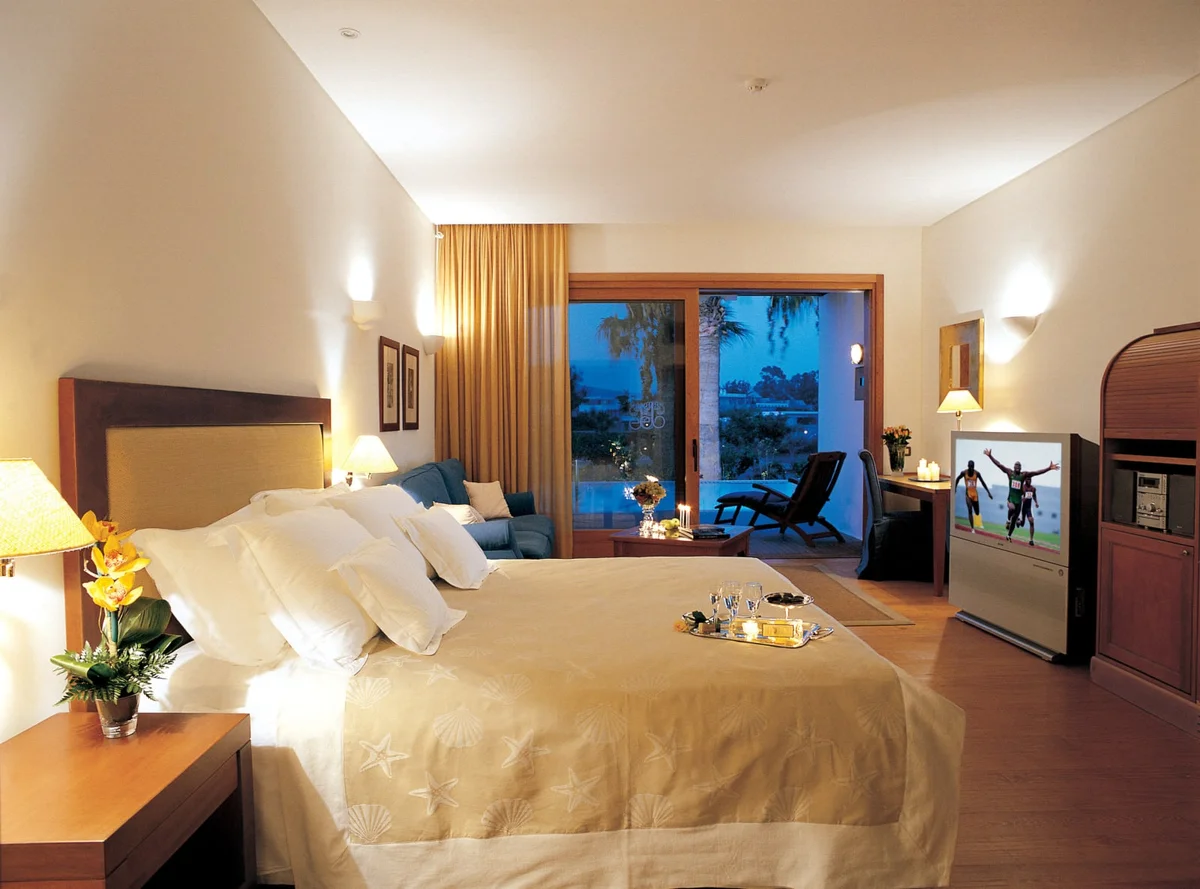
Elounda Bay Palace
When you book Elounda Bay Palace in Crete, Greece, through our Fora Rates partnership, your stay includes daily breakfast. You also receive a room upgrade, early check-in and late check-out when available. No premium credit card or membership needed: request a quote and our advisor books it at the same rate as booking direct.
Exclusive Booking Perks
These perks are included with your stay at the same rate as booking direct with the hotel.
- Complimentary daily breakfast
- 50 EUR per person spa credit (double occupancy = 100 EUR total)
- 1 Meze Lunch per room
- Complimentary room upgrade (subject to availability)
- Complimentary early check-in and late check-out
Location
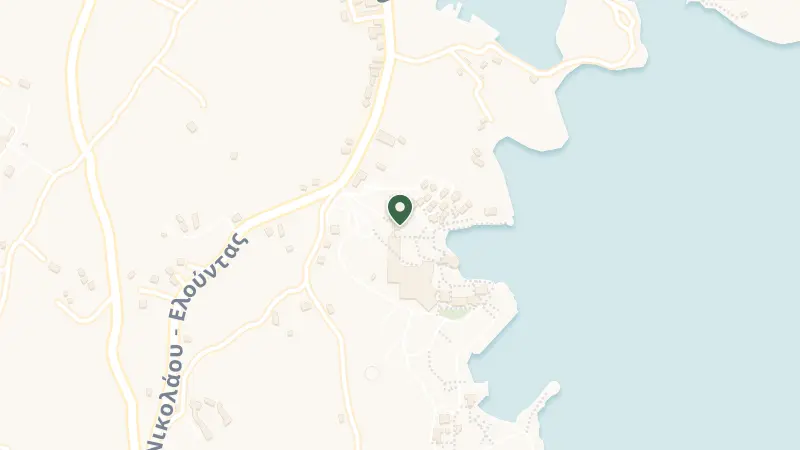
The property sits on the northeastern coast of Crete, overlooking the Gulf of Mirabello from the quiet community of Elounta. This is not the Crete of crowded resorts and package tourism. The pace here slows to match the rhythm of fishing boats returning to Marina Elounda, just over a kilometre away, and the light that turns the Aegean an impossible blue by mid-morning. Schisma Beach, a stretch of sand 1.5 kilometres from the hotel, draws locals and visitors who prefer their coastline unhurried.
Crete is the birthplace of Europe's first advanced civilization. The Minoans flourished here from 2700 to 1420 BC, leaving behind palatial centres now inscribed as a UNESCO World Heritage property (76 kilometres inland, inscribed in 2025). The island's layered history, from Mycenaean conquest to Venetian fortresses and Ottoman mosques, is woven into the landscape. Heraklion, the capital, lies 51 kilometres west.
The nearest airport is Sitia, 34 kilometres to the east, though most international arrivals land at Heraklion (51 kilometres), from where the drive traces the northern coastline through olive groves and fishing villages. The Libyan Sea defines Crete's southern edge; the Aegean, its northern shore.
The Gulf of Mirabello coastline offers a succession of sand beaches, each with its own character. Kolokitha, 2.2 kilometres away, edges a quiet cove. Plaka, 5.5 kilometres distant, faces the island of Spinalonga, a former Venetian fortress and leper colony. Ammoudi Beach, six kilometres from the property, adds lifeguards and a broader strand for families. The Oxia nature reserve, 2.6 kilometres inland, preserves scrubland and gorge habitats typical of Crete's interior. Book a tee time at Porto Elounda Golf & Spa Resort, 1.3 kilometres away, for views over the gulf between fairways.
The island's winemaking tradition clusters around inland villages nearly 50 kilometres south, where wineries like Stilianou and Digenakis offer tastings of Vidiano and Kotsifali varietals grown in volcanic soils. The Richtis waterfall, 24.5 kilometres away, drops 16 metres through a green ravine that stays cool even in summer. The newly inscribed Minoan Palatial Centres, 76 kilometres inland, reveal the sophisticated urban planning and frescoed halls of Bronze Age Crete. Start with Knossos, the most elaborate of the six sites, to grasp the scale of what archaeologists call Europe's first state-level society.
July and August bring the full Mediterranean heat: 32°C days, zero rainfall, and a light that bleaches stone and sea into a single shimmer. The water warms to 26°C. This is peak season, when the island's beaches fill and hotel rates climb. September through October offers the ideal window: air temperatures ease into the mid-twenties, the sea stays warm, and the crowds thin.
Winter is mild by northern European standards, with highs around 15°C from December through February, though rainfall peaks in these months. The landscape greens, wildflowers emerge, and the pace of coastal villages slows further. Spring arrives early: by April, temperatures reach 22°C, and the island blooms before the summer drought sets in.
May and June strike the balance: warm enough for swimming (water temperatures reach 20°C by late May), dry enough for hiking the nature reserves and gorges, and quiet enough that the beaches feel almost private. The light during these months is softer, less punishing, ideal for exploring the archaeological sites without the midday glare.
Frequently Asked Questions

Quotes are personally reviewed by Natasha Hardy, founder of The Uncommon Traveller
5.0 rating · 8 Google reviewsThere is no fee or markup. The hotel pays our commission.
Request a Quote