Domes of Elounda
When you book Domes of Elounda in Crete, Greece, through our Marriott Luminous partnership, your stay includes daily breakfast for two and a welcome amenity. You also receive a room upgrade, early check-in and late check-out when available. No premium credit card or membership needed: request a quote and our advisor books it at the same rate as booking direct.
Exclusive Booking Perks
These perks are included with your stay at the same rate as booking direct with the hotel.
- Welcome amenity
- Complimentary breakfast daily for two guests per room
- Early check-in and late check-out (when available)
- Complimentary upgrade (if available at check-in)
Location
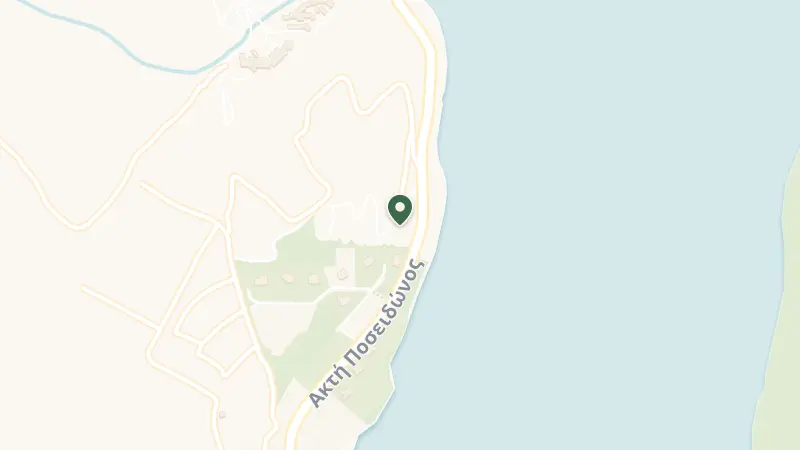
The property occupies a privileged stretch of northeast Crete, where the coast curves toward the Mirabello Gulf and the landscape holds centuries of myth in its terraced hillsides. Elounda itself has evolved from a fishing village into a refined coastal enclave, its harbour lined with tavernas that still serve the day's catch. The peninsula of Spinalonga rises from the water just offshore, a Venetian fortress turned leper colony turned haunting monument, visible from nearly every terrace along this shore.
This is the Crete of Minoan memory: the island that cradled Europe's first advanced civilization between 2700 and 1420 BC, a culture of seafarers and palace builders whose legacy now rests beneath olive groves and archaeological sites scattered across the region. The newly inscribed Minoan Palatial Centres lie within reach, their labyrinthine ruins still yielding secrets. Heraklion, the island's bustling capital, pulses seventy-seven kilometres west, but here the pace slows to the rhythm of waves against volcanic rock.
The nearest international gateway is Heraklion Airport, fifty kilometres west along the coast road, a drive that traces the contours of the Sea of Crete. Sitia Airport serves the eastern end of the island thirty-five kilometres away, a smaller hub connecting to Athens and seasonal European routes.
The beaches here are studies in contrast: Plaka, little more than a kilometre away, offers pebbled shallows and views toward Spinalonga; Kolokitha, nearly four kilometres distant, hides in a sheltered bay accessible by boat or footpath, its sands near-deserted even in July. The nature reserve at Oxia, five and a half kilometres along the coast, protects rare Cretan flora and walking trails that climb through wild thyme and rock rose. Book a boat from Marina Elounda, three kilometres south, for the short crossing to Spinalonga itself, where Venetian ramparts and abandoned houses tell the island's layered history in silence.
Inland, the newly recognized Minoan Palatial Centres reward the journey: these are not reconstructed fantasies but archaeological sites where storage jars still stand in situ, where drainage systems reveal engineering prowess from nearly four millennia past. The golf course at Porto Elounda, five kilometres away, offers eighteen holes carved into hillside olive groves, with fairways that frame the gulf. For winemaking tradition, drive forty-nine kilometres to the Paterianakis estate, where Vilana and Vidiano vines grow in volcanic soil, their fruit pressed into whites that pair with grilled octopus and Cretan graviera cheese.
Summer arrives in late May and settles in through September, bringing dry heat that peaks around thirty-two degrees in July and August. The light during these months is sharp, almost metallic, bouncing off the sea in a way that flattens distant islands into silhouettes. Evenings cool just enough for outdoor dining, the meltemi winds sweeping down from the Aegean to temper the afternoon blaze.
Autumn holds the best balance: October temperatures hover in the mid-twenties, the water remains warm, and the tourist crowds thin after the school holidays. Spring, particularly April and May, sees wildflowers carpet the hillsides in cyclamen and anemone, the landscape still green before the summer drought takes hold.
Winter is mild but inconsistent, with daytime highs around fifteen degrees and occasional rain showers that leave the mountains dusted with snow. December and January see the most precipitation, though even then the sun breaks through most afternoons, illuminating the gulf in pewter tones.
Frequently Asked Questions

Quotes are personally reviewed by Natasha Hardy, founder of The Uncommon Traveller
5.0 rating · 8 Google reviewsThere is no fee or markup. The hotel pays our commission.
Request a Quote