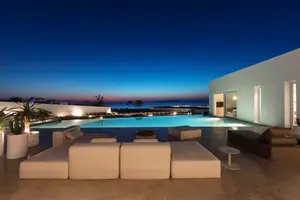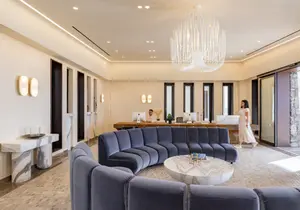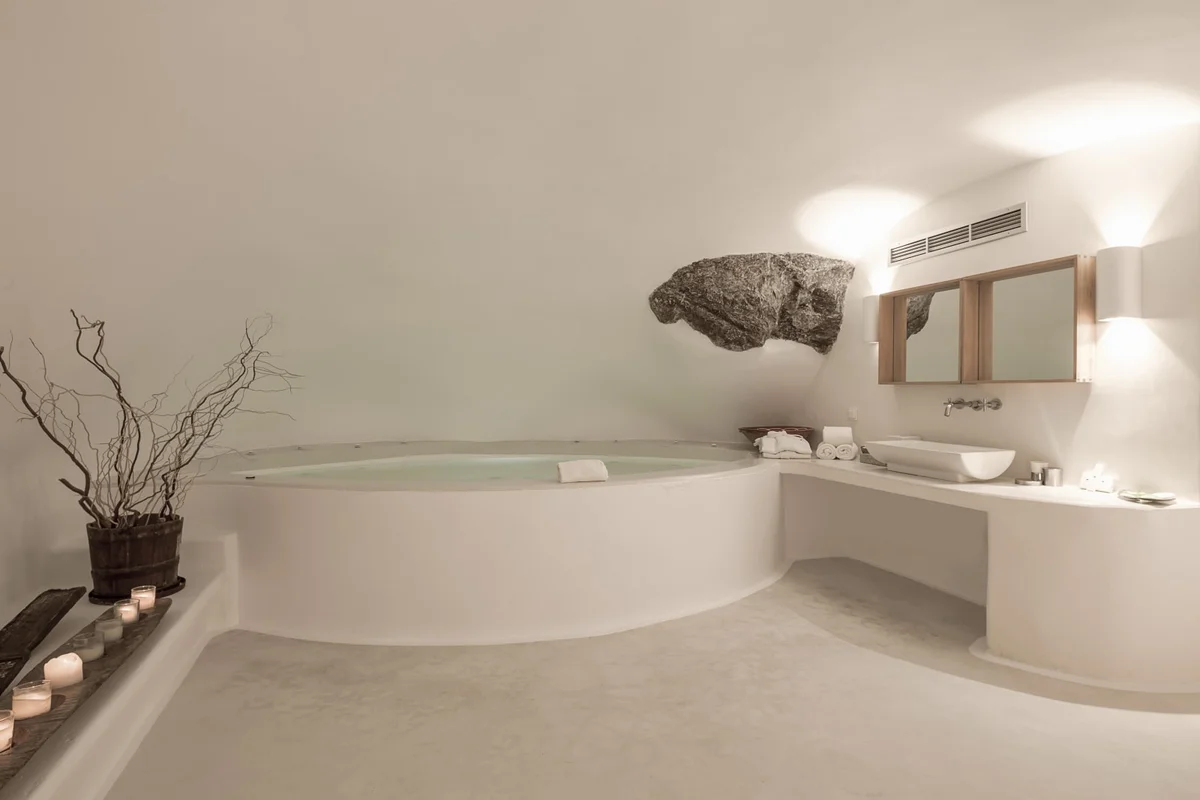
Katikies Chromata
When you book Katikies Chromata in Santorini, Greece, through our Fora Rates partnership, your stay includes daily breakfast. You also receive a room upgrade, early check-in and late check-out when available. No premium credit card or membership needed: request a quote and our advisor books it at the same rate as booking direct.
Exclusive Booking Perks
These perks are included with your stay at the same rate as booking direct with the hotel.
- $150 USD credit per stay can be tailored toward Spa or F&B, depending on preference
- Complimentary à la carte breakfast daily
- Selene Rose signature wine & fruit (locally produced) upon arrival
- Complimentary upgrade upon availability
- From 5 nights and above: Complimentary 60-minute body massage for two
- From 7 nights and above: One full complimentary dinner at a fine dining restaurant of choice
- Botrini's Santorini, Botrini's Mykonos, or Selene valued at over €500
- Early check-in and late check-out, subject to availability
Location
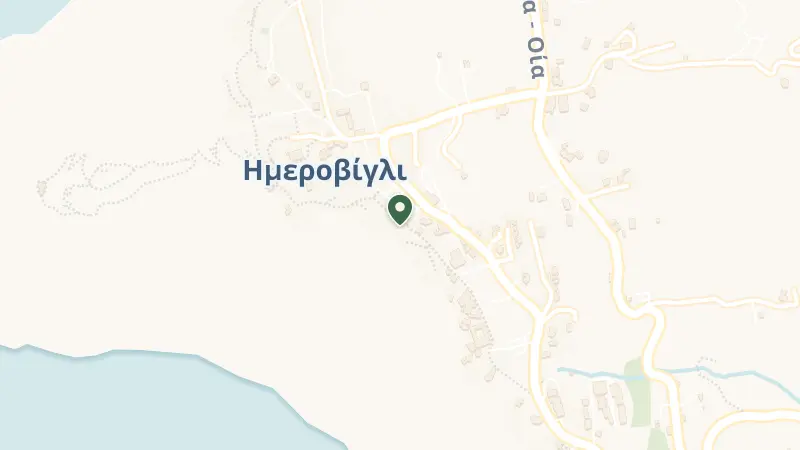
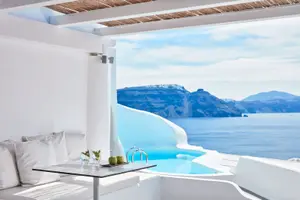
Santorini rises from the Aegean Sea as a crescent of sheer cliffs, white-washed villages, and volcanic black sand, the visible remnant of one of history's most violent eruptions. The island's caldera, formed 3,600 years ago when the volcano collapsed into itself, creates a dramatic amphitheatre of stone where terrace upon terrace of cube-shaped houses cling to cliffsides. The property sits in Firostefani, a quieter enclave that blends seamlessly into Fira, the island's compact capital perched 300 metres above the sea.
Walk five minutes in any direction and you'll find cobbled paths threading between domed churches with blue cupolas, small galleries selling Cycladic ceramics, and kafeneions where locals gather over Greek coffee. The Old Port zigzags far below, accessible by cable car or 600 stone steps carved into the volcanic rock. Donkeys still carry supplies up the switchbacks in early morning, their bells echoing off the caldera walls.
Santorini International Airport lies six kilometres southeast, a brief taxi ride that crosses the island's interior vineyards and sun-bleached farmland before the road climbs to the caldera edge.
The island's volcanic soil nurtures a distinct wine culture; Domaine Sigalas Winery, five kilometres south, produces Assyrtiko with a mineral sharpness that reflects the ash-rich terroir, while Hatzidakis and Canava Roussos offer tastings in traditional cave cellars carved into the pumice. Book ahead during harvest season, when the vines hang low against the ground in basket-shaped formations called kouloures, a pruning method developed to protect grapes from fierce meltemi winds. Dive sites dot the caldera: Mediterranean Dive Club operates 1.6 kilometres away, offering descents to underwater volcanic formations and the submerged crater rim where thermal vents still bubble through fissures in the seabed.
The regional market in Fira supplies tomatoes grown without irrigation, their concentrated sweetness a hallmark of Santorini produce, alongside fava beans and caper leaves. Kamari Beach, eight kilometres east, stretches along black volcanic pebbles beneath the cliffs of ancient Thera. Don't miss sunset from the caldera edge, when the light turns the whitewashed villages gold and the sea deepens to indigo.
Summer arrives bone-dry and cloudless from June through September, with temperatures climbing past 25°C and the meltemi winds sweeping the caldera clean each afternoon. The light turns sharp and white, bouncing off limestone walls and blue-domed roofs. Hotel terraces fill early for breakfast; by midday, the island retreats indoors or to the beaches.
Spring and autumn soften the edges: April and May bring wildflowers to the hills and pleasant warmth for hiking the caldera rim, while September and October hold the summer heat without the peak-season crowds. The sea stays swimmable well into November.
Winter sees the island return to its locals, with cool evenings around 10°C and occasional rain that greens the terraced vineyards. December through February brings quieter streets and lower temperatures, though the caldera views remain unobstructed under crystalline skies.
Frequently Asked Questions

Quotes are personally reviewed by Natasha Hardy, founder of The Uncommon Traveller
5.0 rating · 8 Google reviewsThere is no fee or markup. The hotel pays our commission.
Request a Quote