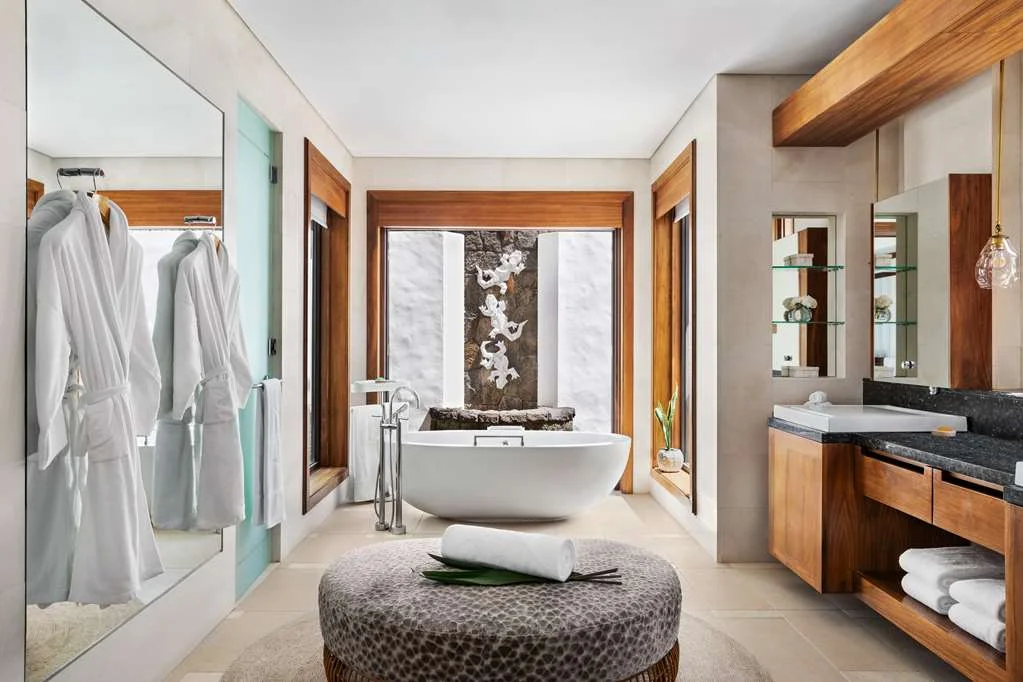
Shangri-La Le Touessrok, Mauritius
When you book Shangri-La Le Touessrok, Mauritius, through our Virtuoso partnership, your stay includes daily full breakfast for up to two guests and a $100 USD resort or hotel credit. You also receive a room upgrade, early check-in and late check-out when available. No premium credit card or membership needed: request a quote and our advisor books it at the same rate as booking direct.
Exclusive Booking Perks
These perks are included with your stay at the same rate as booking direct with the hotel.
- Upgrade on arrival, subject to availability
- Daily Full breakfast for up to two guests per bedroom, served in the restaurant
- $100 USD equivalent Resort or Hotel credit to be utilized during stay (not combinable, not valid on room rate, no cash value if not redeemed in full)
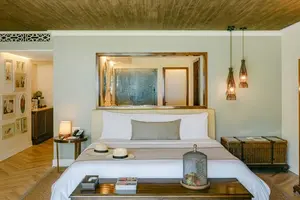
- Bookings in our Frangipani Signature Ocean View Suite and higher categories will also receive complimentary roundtrip private airport transfers
- Stays of 5+ nights will receive an additional $100 credit (for a total of $200 during stay)
- Early Check-In / Late Check-Out, subject to availability
Guest feedback
9.2/10 from 102 guest reviews
By category
Guests liked
- Outstanding staff
- Excellent overall experience
Points to consider
- Stairs may be challenging for older guests
Location
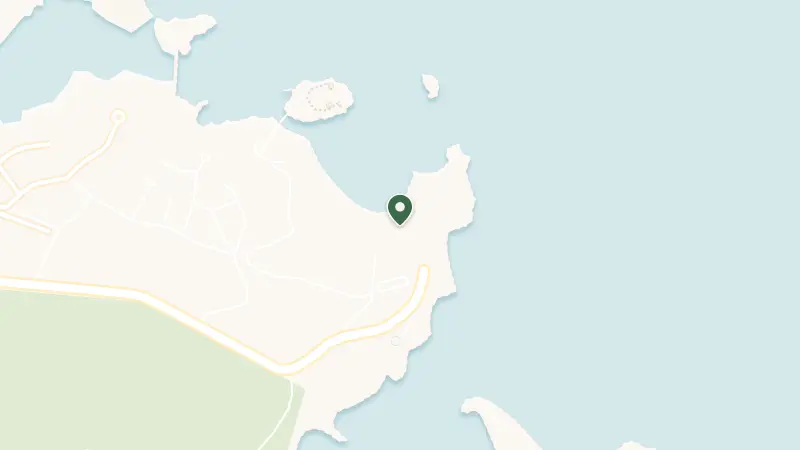
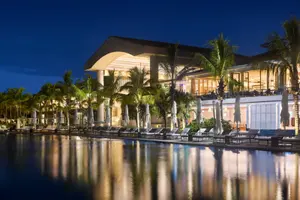
Shangri-La brings its signature Asian-rooted hospitality to Mauritius, translating the brand's CHI wellness philosophy and service precision to a volcanic island where the Indian Ocean deepens from turquoise to midnight blue. The property sits on a small peninsula in Trou d'Eau Douce, on the island's eastern coast, where traditional fishing pirogues still cut across the lagoon at dawn and the air carries salt and frangipani in equal measure. This is not the crowded western shore; the east coast unfurls with a quieter, more local rhythm, coconut groves giving way to cane fields that once defined Mauritius's colonial economy.
The surrounding waters hold Ile aux Cerfs, a low-lying coral islet reached by catamaran or speedboat from the marina steps away. Offshore, the continental shelf drops steeply, and big-game fishing for marlin and tuna draws serious anglers year-round. Onshore, the Flacq District retains a working agricultural character, its weekly markets piled with lychees, guavas, and the island's distinctive dholl puri.
Mauritius itself is a layered place: discovered uninhabited, it passed through Portuguese, Dutch, French, and British hands before independence in 1968. That legacy surfaces in Creole patois, colonial estates turned museums, and a population descended from African, Indian, Chinese, and European roots. Sir Seewoosagur Ramgoolam International Airport lies 23 kilometres southwest; the drive threads through sugarcane country and past volcanic peaks softened by centuries of erosion.
The hotel sits at the edge of serious golf country. Ile aux Cerfs Golf Club, designed by Bernhard Langer and accessible only by boat, occupies its own island two kilometres offshore, the fairways bordered by casuarina and ocean on three sides. Back on the main island, Anahita Golf Club lies three kilometres south, an Ernie Els design routed through former sugar plantation land. The marina at the property's doorstep arranges catamaran excursions to the Five Islands, a drift through protected lagoons where the water clarity rivals the Maldives and the snorkelling reveals parrotfish, angelfish, and brain coral colonies untouched by bleaching.
Venture inland to Vallée de Ferney, a 16-kilometre drive into the island's remaining dry forest, where ebony trees and giant tortoises recall the ecosystem that greeted Dutch sailors in 1598. The Flacq markets, ten kilometres west, operate in a different register: vendors hawk samosas, gateau piment, and fresh breadfruit under corrugated roofs, and the Creole-inflected French you hear is thicker than in Port Louis. For a glimpse of the island's darker history, Le Morne Cultural Landscape, 54 kilometres south, rises as a basalt monolith where enslaved people sought refuge in the island's maroon communities. Book a morning at Bras d'Eau National Park, 15 kilometres north, where the hiking trails cut through ironwood groves and emerge at deserted white-sand beaches facing Gunner's Quoin islet.
December through March brings the island's cyclone season: high humidity, afternoon downpours that clear as quickly as they arrive, and a thick, almost equatorial heat. The lagoon water hovers near 28°C, the air not much cooler, and the light takes on a hazy, diffused quality through the moisture.
Austral winter, June through August, is the driest and most comfortable stretch. Temperatures ease into the mid-20s, the southeast trade winds blow steadily, and the island's interior mountains appear sharper against clearer skies. This is high season for Europeans seeking warmth without the Caribbean's hurricane risk.
April, May, and September through November occupy the sweet middle ground: warm but not stifling, the ocean still swimmable, and the island's jacaranda and flame trees in full colour. The shoulder months offer the best balance of weather and relative quiet, before the December rush or the summer rains.
Frequently Asked Questions

Quotes are personally reviewed by Natasha Hardy, founder of The Uncommon Traveller
5.0 rating · 8 Google reviewsThere is no fee or markup. The hotel pays our commission.
Request a Quote