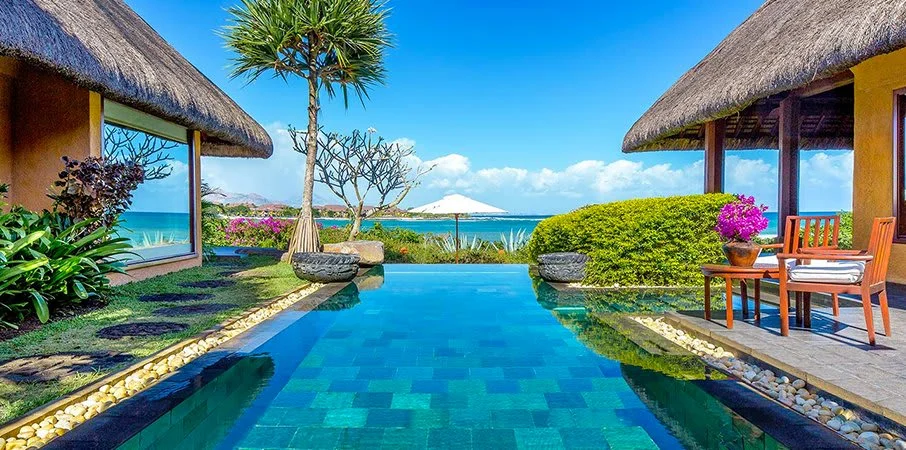
The Oberoi Beach Resort, Mauritius
When you book The Oberoi Beach Resort, Mauritius, through our Virtuoso partnership, your stay includes daily breakfast for up to two guests. You also receive a room upgrade, early check-in and late check-out when available. No premium credit card or membership needed: request a quote and our advisor books it at the same rate as booking direct.
Exclusive Booking Perks
These perks are included with your stay at the same rate as booking direct with the hotel.
- Upgrade on arrival, subject to availability
- Daily breakfast for up to two guests per bedroom, served in the restaurant (already included in property rates)
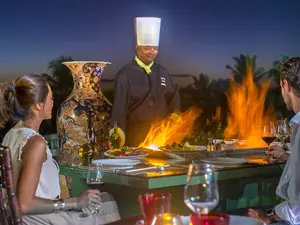
- Complimentary lunch or dinner for two people/room, once during stay, excluding alcohol, taxes and gratuities
- Early Check-In / Late Check-Out, subject to availability
Guest feedback
9.8/10 from 104 guest reviews
Read what guests commentedBy category
Guests liked
- Beautiful resort
- Excellent care
Points to consider
- Cleanliness issues
- Service inconsistencies
Location
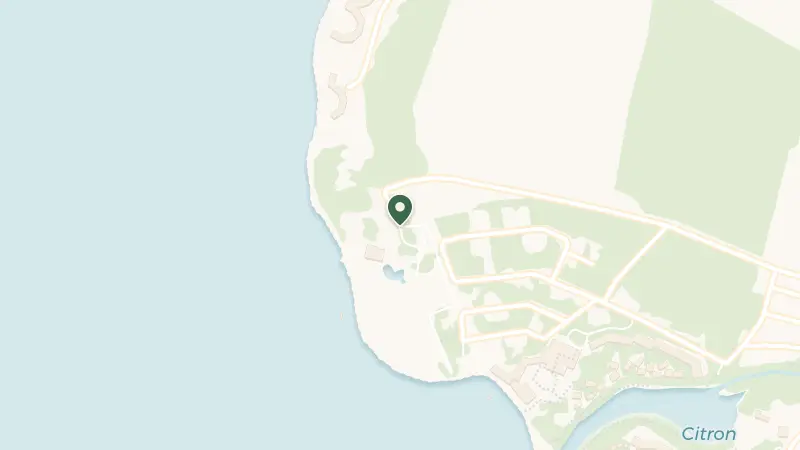
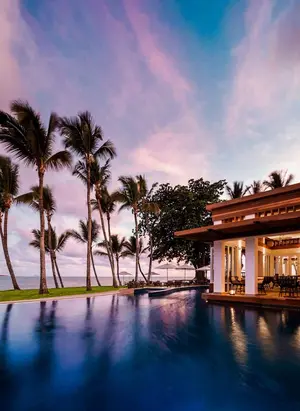
The Oberoi Group brings its signature of personalised service and wellness-rooted hospitality to the northwest coast of Mauritius, where volcanic peaks soften into white-sand bays and the Indian Ocean glows turquoise over coral gardens. The property sits in Pointe aux Piments, a quieter stretch of shoreline between the fishing village of Balaclava and the livelier hubs further north, where palms lean toward lagoons sheltered by distant reefs.
Balaclava Public Beach lies two hundred metres away, a ribbon of sand where local families gather on Sundays and fishermen moor pirogues in the shallows. The Réserve Marine de Balaclava, just three hundred metres offshore, protects seagrass meadows and coral heads where parrotfish drift through clouds of smaller reef fish. The northwest coastline is Mauritius at its most accessible: calm water year-round, unbroken sun, and a gentle gradient into the lagoon that makes snorkelling as simple as wading in. Inland, cane fields climb toward the central plateau and the island's signature volcanic cones.
Port Louis, the capital, sits thirteen kilometres south along the coast. Aapravasi Ghat, nine kilometres from the property, marks where indentured labourers from India first arrived in 1834, the site now inscribed as a UNESCO monument to the modern diaspora. The island's sole international airport, Sir Seewoosagur Ramgoolam, lies forty-three kilometres southeast, an hour's drive through sugarcane country.
The Réserve Marine de Balaclava is the closest underwater encounter, a short swim from shore where brain coral and staghorn formations shelter grouper, butterflyfish, and the occasional hawksbill turtle. Pte. aux Piments Beach, less than a kilometre north, offers a wider stretch of sand and shallow water calm enough for small children. Book a boat to the northern islets or simply wade into the lagoon at dawn, when the light turns the water opal and the fishing boats are still hauled up on the sand. Triolet Market, five kilometres inland, is the island's largest vegetable bazaar: stalls piled with mangoes, lychees, and bundles of coriander, vendors calling prices in Creole over the hiss of sugar-cane presses.
Mont Choisy Beach, eight and a half kilometres north, is a long crescent of public sand framed by casuarina trees, popular with Mauritian families on weekends. The island's dive centres cluster around Grand Bay, twelve kilometres northeast, where sites include the wreck of the *Stella Maru* and the volcanic drop-offs of Gunner's Quoin. Le Morne Cultural Landscape, the basalt peninsula forty-six kilometres south, rises sheer from the ocean, a UNESCO site commemorating the maroons who sheltered in its caves during slavery. Don't miss the route there: it cuts through coastal villages where Tamil temples sit beside Creole chapels, the island's layered past visible in every settlement.
Summer arrives in November and holds through April, when temperatures climb into the high twenties and afternoon thunderstorms roll in from the interior, brief and heavy, leaving the air thick and fragrant with frangipani. The water is warmest, the reefs most active, the island lush and green. Cyclone season peaks in January and February, though direct hits are rare; instead, expect humid stillness and sudden squalls that clear as quickly as they arrive.
May through October brings the southern winter, dry and bright, with daytime highs in the mid-twenties and the southeast trade winds kicking up whitecaps beyond the reef. The lagoon stays calm, protected by the coral barrier, and the light turns crystalline, perfect for snorkelling and long walks along the empty beaches. August is coolest, though even then the water rarely dips below twenty-four degrees.
The shoulder months, April and November, offer the best balance: fewer visitors, calm seas, and warm but not stifling air. The island feels quieter, the markets less crowded, the beaches yours by mid-afternoon.
Frequently Asked Questions

Quotes are personally reviewed by Natasha Hardy, founder of The Uncommon Traveller
5.0 rating · 8 Google reviewsThere is no fee or markup. The hotel pays our commission.
Request a Quote