SILQ Hotel And Residence
When you book SILQ Hotel And Residence in Bangkok, Thailand, through our Tablet Plus partnership, your stay includes a 25 USD hotel credit per day and a welcome treat. You also receive a one-category room upgrade and late check-out when available. No premium credit card or membership needed: request a quote and our advisor books it at the same rate as booking direct.
Exclusive Booking Perks
These perks are included with your stay at the same rate as booking direct with the hotel.
- Upgrade to next room category, based upon availability at check-in
- Guaranteed 2pm late check-out
- Welcome treat in room on arrival
- 25 USD hotel credit per room, per day (valid towards incidentals)
Guest feedback
9.8/10 from 151 guest reviews
Read what guests commentedBy category
Guests liked
- Great staff
- Excellent service
Points to consider
- Minor construction noise
Location
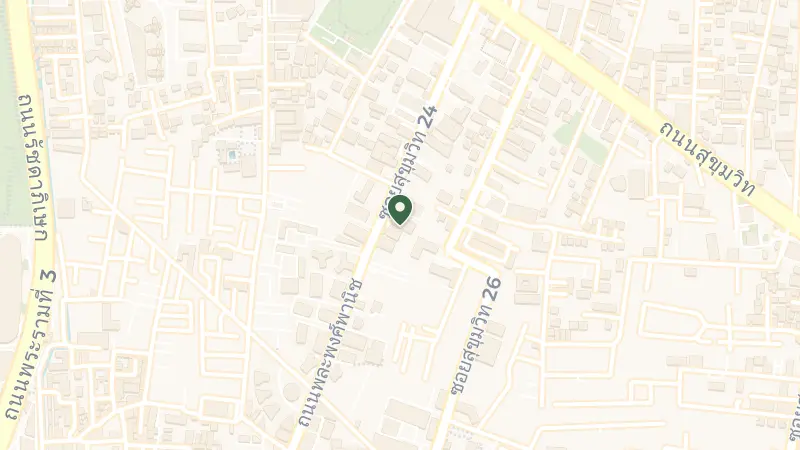
The property sits in Khlong Tan, a subdistrict of Khlong Toei where Bangkok's old commercial grit meets new residential polish. Here, the rhythm of the city shifts between the hum of the Chao Phraya River port facilities to the south and the manicured shopping corridors of neighbouring Watthana. This is a Bangkok of contrasts: street vendors selling grilled skewers beneath glass towers, spirit houses wreathed in marigolds outside minimalist facades. The district sprawls along the eastern bank of the river, a place where traditional Thai shophouses give way to wide boulevards lined with silk-cotton trees.
Walk west and you reach the riverfront in under twenty minutes, where long-tail boats carve wakes through muddy water. Head north into Watthana and you're among the flagship stores and skytrain stations of modern Bangkok. The Khlong Toei Market, a vast covered labyrinth of fish vendors and curry paste stalls, sprawls a short distance south, its sensory intensity undiminished since the district's trading-post origins in the Ayutthaya era.
Suvarnabhumi Airport lies twenty kilometres east, connected by elevated expressways that slice through the city's sprawl. Don Mueang, the older domestic hub, sits equidistant to the north.
Three-Michelin-starred Sorn occupies a shophouse just three hundred metres away, where self-taught chef SupakSorn Jongsiri traces the culinary lineage of Southern Thailand through fermented fish, turmeric-stained curries, and coastal shellfish preparations that honour tradition while pushing refinement to its limits. Book weeks ahead. Another three-star option, Sühring, lies three kilometres north in a 1970s villa, where German twins translate childhood memories and family recipes into a tasting menu built on pickling, curing, and precise technique. Closer in, Gaa reimagines Indian flavours through seasonal Thai ingredients in a restored pitched-roof house, earning two stars for its confident blending of heritage and place.
Beyond dining, the Yunomori onsen-style baths seven hundred metres west offer Japanese-inspired thermal pools and massage rooms, a rare respite in this humid latitude. The Khlong Toei Market rewards early risers with pyramids of pomelo, bundles of morning glory, and whole fish displayed on ice. For a longer excursion, the ruins of Ayutthaya, destroyed by the Burmese in 1767, lie sixty-nine kilometres north: crumbling prangs and headless Buddhas overtaken by banyan roots, a sobering reminder of Siam's impermanence.
January through March deliver the city's most forgiving weather, with mornings in the low twenties and afternoons nudging the mid-thirties. The streets feel less oppressive, temple courtyards less punishing. Humidity drops just enough to make walking bearable.
April marks the pivot: heat crests above thirty-four degrees, the air thickens, and afternoon storms announce the approaching monsoon. May through October brings daily downpours, the city slick with runoff, motorbikes spraying arcs of water through flooded sois. September is the wettest month, streets transformed into shallow rivers by late afternoon.
November signals relief. The rains taper, the sky clears to porcelain blue, and December returns to temperate evenings. This is Bangkok's high season, when rooftop bars fill and the riverfront promenades come alive after dark.
Frequently Asked Questions

Quotes are personally reviewed by Natasha Hardy, founder of The Uncommon Traveller
5.0 rating · 8 Google reviewsThere is no fee or markup. The hotel pays our commission.
Request a Quote 44 Bib Gourmand