Six Senses Laamu
When you book Six Senses Laamu in Laamu Atoll, Maldives, through our Virtuoso partnership, your stay includes daily full breakfast for up to two guests and a $100 USD food and beverage credit. You also receive a room upgrade when available. You continue earning IHG One Rewards points and elite night credits. No premium credit card or membership needed: request a quote and our advisor books it at the same rate as booking direct.
Special Offer
+ Celebrate eternal summer in our pristine Laamu Atoll for four or more nights and save up to 35 percent on room rates, including half board dining and transfer benefits. Inclusions + Daily breakfast and dinner at selected restaurants + Up to 25 percent savings on seaplane transfers *Savings vary by length of stay and stay period Good to know + Minimum four-night stay + Half board included for up to two people – standard half board rates apply for additional adults + From January 7 to April 12, 2026: 25 percent savings on room rates staying four nights or more + From April 13 to September 30, 2026: 35 percent savings on room rates staying four nights or more and 25 percent savings on seaplane transfers
Exclusive Booking Perks
These perks are included with your stay at the same rate as booking direct with the hotel.
- Upgrade on arrival, subject to availability
- Daily Full breakfast for up to two guests per bedroom, served in the restaurant
- $100 USD equivalent Food & Beverage credit to be utilized during stay (not combinable, no cash value if not redeemed in full)
- A complimentary 50-minute massage for up to two guests, once during stay
- Early Check-In / Late Check-Out, subject to availability
Guest feedback
9.6/10 from 87 guest reviews
Read what guests commentedBy category
Guests liked
- Excellent snorkeling
- Responsive butler service
Points to consider
- Accessibility of the reef
- Quality of seaplane lounge
Location
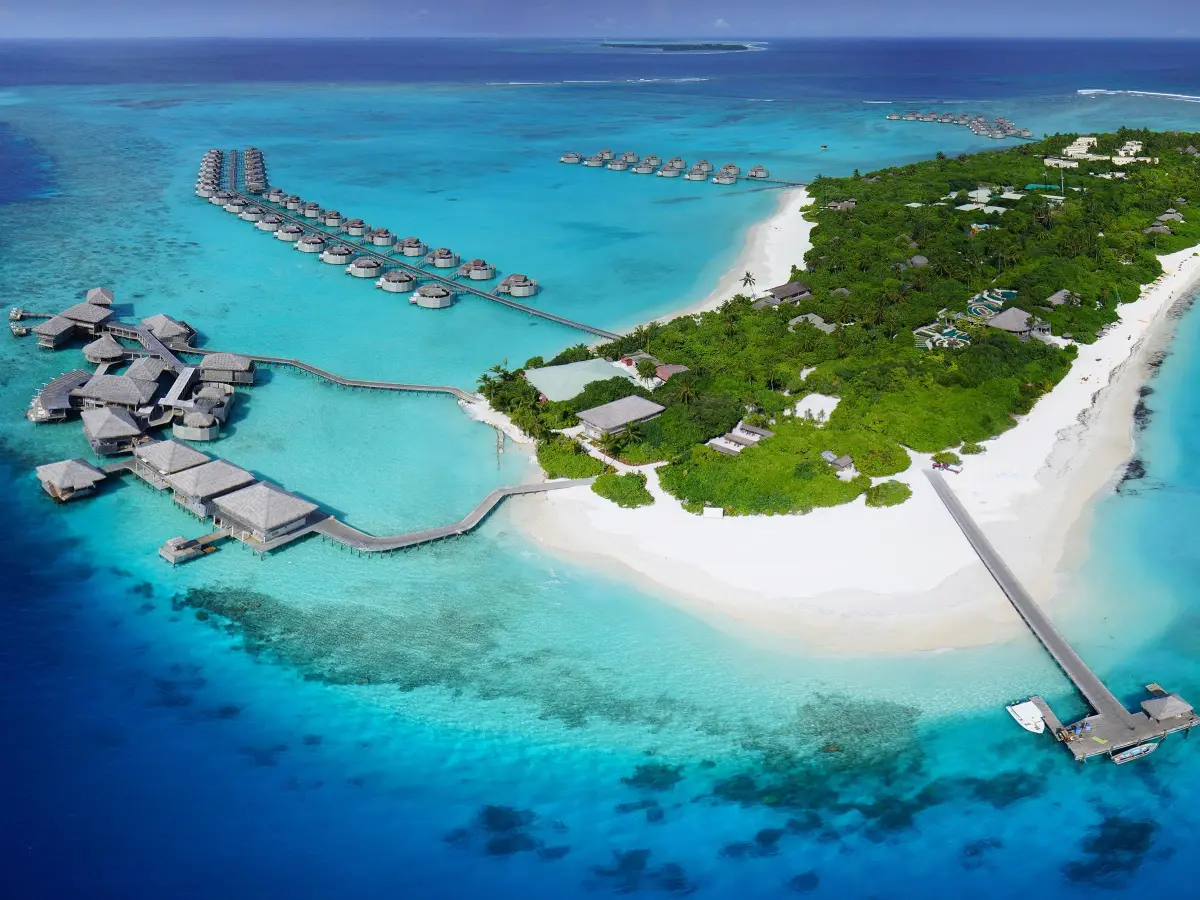
Six Senses brings its signature blend of barefoot luxury and environmental rigour to an atoll where sustainability isn't a marketing phrase but a necessity. The brand's organic gardens and low-impact architecture take on particular resonance here, where fresh water is precious and every material must arrive by boat. This is wellness tourism with a conscience, designed for travellers who want to tread lightly without sacrificing comfort.
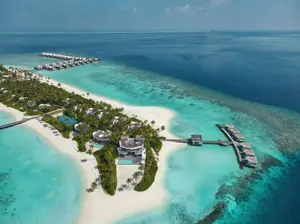
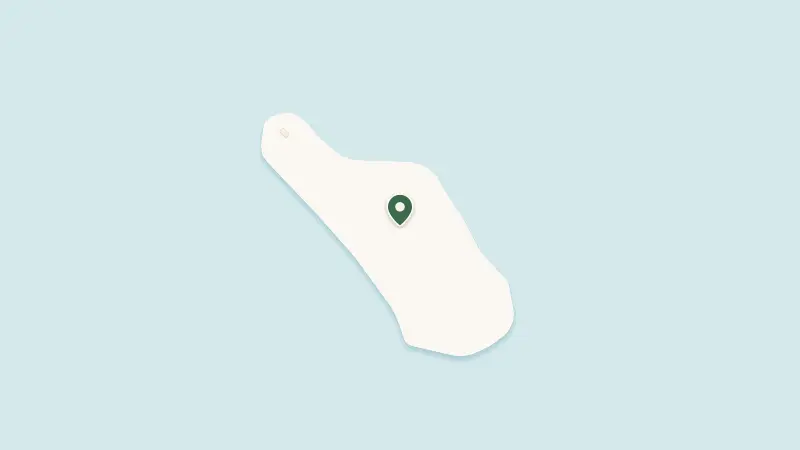
Laamu Atoll, historically known as Haddhunmathi, marks the southern boundary of the central Maldives before the broad Huvadhu Kandu channel opens onto the country's remote southern archipelagos. The atoll's eastern rim supports a string of unusually large islands by Maldivian standards, their barrier reefs enclosing a lagoon that runs 55 to 62 metres deep over a muddy bottom. Unlike many northern atolls, Laamu sees fewer resorts and retains a quieter, less developed character. The administrative capital sits at Fonadhoo Island, a short distance across the water.
Kadhdhoo Airport, 14 kilometres away, handles domestic flights from Malé, typically followed by a speedboat transfer. The journey from the capital takes under an hour by air, a reminder of how quickly the Maldives shifts from urban density to near-total isolation.
The atoll's remoteness shapes the rhythm here: diving and snorkelling replace museum visits, and the house reef becomes the primary cultural landmark. The lagoon's depth and scattered shoal patches create habitats for manta rays and reef sharks, while the eastern barrier reefs offer drop-offs that descend into the Indian Ocean's open water. Six Senses operates its own marine conservation programme; ask about guided snorkel safaris led by resident marine biologists who can identify individual mantas by their belly patterns. The property grows much of its own produce in organic gardens, a rare feat on a coral island where topsoil is scarce.
For context beyond the reef, arrange a visit to Fonadhoo Jetty, roughly 11 kilometres away, where the island's fishing dhonis tie up each afternoon with the day's catch. Local life in Laamu revolves around tuna and skipjack; you'll see the same species on your plate. Book a sunset cruise to the atoll's uninhabited eastern islands, where frigatebirds nest in low scrub and the sand takes on a pink cast from pulverised coral. The isolation is the point: no Michelin stars, no galleries, just water and sky in every direction.
The Maldives hovers near the equator, so seasonal shifts are subtle but distinct. January through March brings the northeast monsoon, when skies clear, humidity drops slightly, and the sea flattens to mirror stillness. Mornings feel crisp by tropical standards, temperatures in the high 27s, and divers report the best underwater visibility.
May through November ushers in the southwest monsoon, which locals call hulhangu. Rain arrives in sudden, heavy bursts, usually in the late afternoon, and the wind picks up enough to roughen the lagoon. The air thickens, and the islands turn greener as vegetation responds to the heavier precipitation. October sees the most rain, often over 250 millimetres, but showers rarely last more than an hour.
April and December serve as transition months, balancing warmth and relative dryness. The light during these shoulder periods has a diffused quality, softening the harsh midday glare that defines the drier season. Water temperatures hold steady near 27 degrees year-round, warm enough that wetsuits feel optional even in open water.
Frequently Asked Questions

Quotes are personally reviewed by Natasha Hardy, founder of The Uncommon Traveller
5.0 rating · 8 Google reviewsThere is no fee or markup. The hotel pays our commission.
Request a Quote