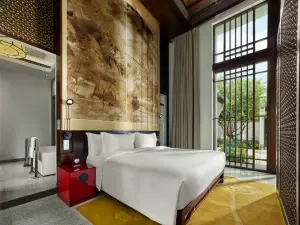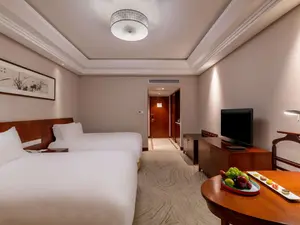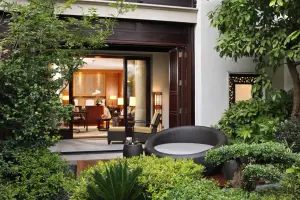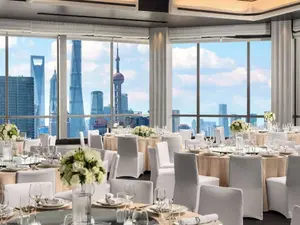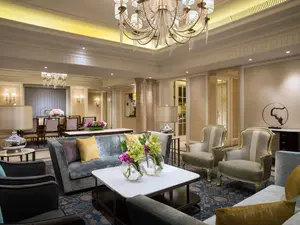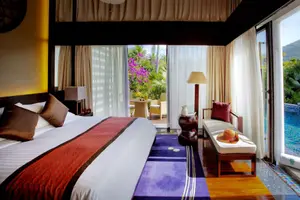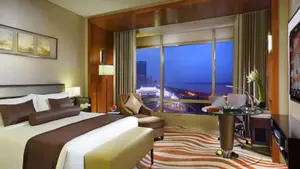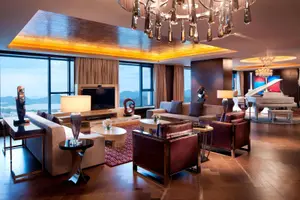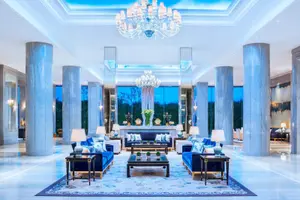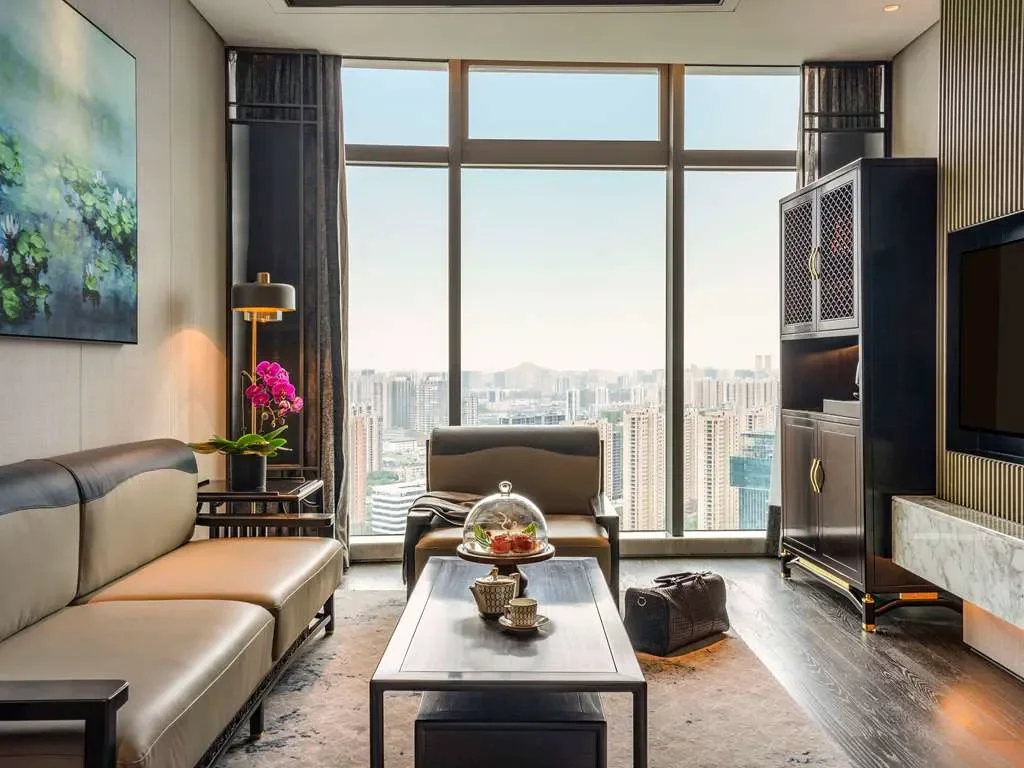
Sofitel Hangzhou Yingguan Hotel
When you book Sofitel Hangzhou Yingguan Hotel in China through our Accor Hera partnership, your stay includes daily breakfast for two. You continue earning ALL Accor points and elite night credits. No premium credit card or membership needed: request a quote and our advisor books it at the same rate as booking direct.
Exclusive Booking Perks
These perks are included with your stay at the same rate as booking direct with the hotel.
- Daily complimentary breakfast for 2, per room
Guest feedback
9.2/10 from 39 guest reviews
By category
Guests liked
- Clean environment
- Helpful staff
Points to consider
- Distance from city center
- Construction noise
Location
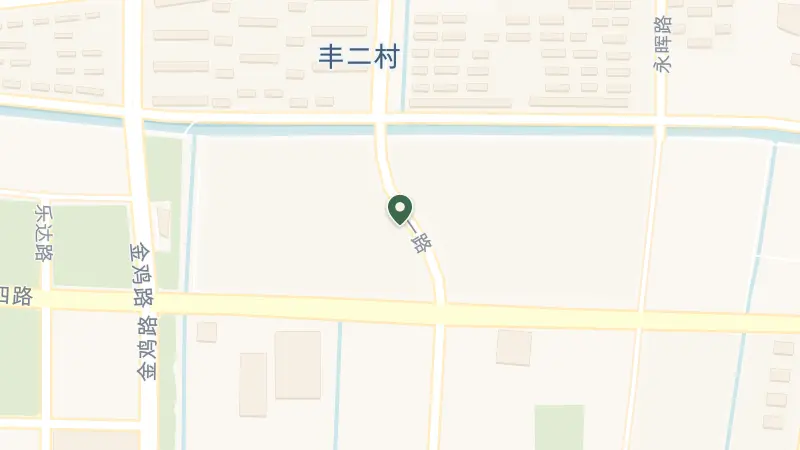
Sofitel brings Parisian refinement to its outposts worldwide, layering French art de vivre over the cultural DNA of each destination. In Hangzhou, that means silk-smooth service alongside tea ceremony grace, European design sensibility meeting the city's centuries-old tradition of scholar-poets seeking beauty in natural landscapes. The property sits in Ningwei, a district that has retained a quieter rhythm even as the city has grown into one of eastern China's most prosperous hubs.
Hangzhou has drawn artists and intellectuals since the Southern Song dynasty made it an imperial capital in the twelfth century. The city's soul still centres on West Lake, eleven kilometres northwest, whose mist-softened pavilions and willow-lined causeways inspired generations of painters and calligraphers. Beyond the lake's classical gardens lies Xixi National Wetland Park, a lattice of waterways and bird-loud marshes less than twenty kilometres away, and the newer Archaeological Ruins of Liangzhu City to the north, where jade artefacts from a five-thousand-year-old civilization were unearthed.
Hangzhou Xiaoshan International Airport sits seventeen kilometres from the hotel, connected by metro and taxi. The city's blend of ancient temples, contemporary innovation (it's the headquarters of Alibaba), and obsessive tea culture makes it a study in contrasts, all wrapped in the sweet haze of osmanthus blossoms each autumn.
Hangzhou's culinary reputation rests on delicate Zhejiang cuisine, and the city's Michelin constellation reflects that precision. Book a table at Ru Yuan, fourteen kilometres away, where the two-starred kitchen reimagines Xihu fish in vinegar sauce and shrimps sautéed with Longjing tea leaves, each dish fine-tuned until the chef's meticulous personality emerges in every bite. Closer in, Wild Yeast (one star, six kilometres) brings Taizhou seafood to softly lit tables overlooking the open kitchen, while Sense at Xiang Lake pairs innovative technique with a dining room bathed in greenery, the kitchen housed beneath a white dome lined with fermenting jars.
The West Lake Cultural Landscape, a UNESCO site since 2011, remains the reason most travelers come. Walk the Su Causeway at dawn when the mist blurs the line between water and sky, or visit Lingyin Temple where Buddhist grottoes carved into limestone cliffs date to the fourth century. The Liangzhu ruins, thirty-two kilometres north, reveal jade carvings and city walls from a Neolithic culture that predates the pyramids. For a quieter afternoon, the Xixi wetlands offer wooden boardwalks through reed beds and lotus ponds, the city's noise replaced by egret calls and the creak of bamboo punts.
Spring arrives in fits: March brings warming days around sixteen degrees, but April turns unpredictable, the air thick with moisture as plum rains begin. By May the city greens completely, temperatures climbing into the mid-twenties, though humidity clings. Summer is sweltering and wet, July and August pushing past thirty degrees with occasional cloudbursts that do little to ease the heat.
Autumn redeems everything. September cools to the high twenties, October drops into comfortable low twenties, and the osmanthus trees along West Lake release their apricot-sweet fragrance. The light turns golden, the air finally breathable. This is Hangzhou's finest season, when the crowds thin slightly and the lake reflections sharpen.
Winter is brief and damp rather than frigid, temperatures hovering near freezing at night, rising to eight or nine degrees by midday. Snow is rare but the cold has bite. The city slows, tea houses fill with locals nursing pots of Longjing, and the misty mornings over West Lake take on a monochrome scroll-painting quality that the Song poets would recognize.
Frequently Asked Questions

Quotes are personally reviewed by Natasha Hardy, founder of The Uncommon Traveller
5.0 rating · 8 Google reviewsThere is no fee or markup. The hotel pays our commission.
Request a Quote 33 Bib Gourmand