The 1932 Hotel & Spa Cap d'Antibes - MGallery Collection
When you book The 1932 Hotel & Spa Cap d'Antibes - MGallery Collection in France through our Tablet Plus partnership, your stay includes a 20 EUR hotel credit per day and a welcome treat. You also receive a one-category room upgrade and late check-out when available. No premium credit card or membership needed: request a quote and our advisor books it at the same rate as booking direct.
Exclusive Booking Perks
These perks are included with your stay at the same rate as booking direct with the hotel.
- Upgrade to next room category, based upon availability at check-in
- Guaranteed 2pm late check-out
- Welcome treat in room on arrival
- 20 EUR hotel credit per room, per day (valid towards incidentals)
Guest feedback
8.6/10 from 803 guest reviews
By category
Guests liked
- Cleanliness
- Service
- Location
Points to consider
- Room Quality
- Value for Money
Location
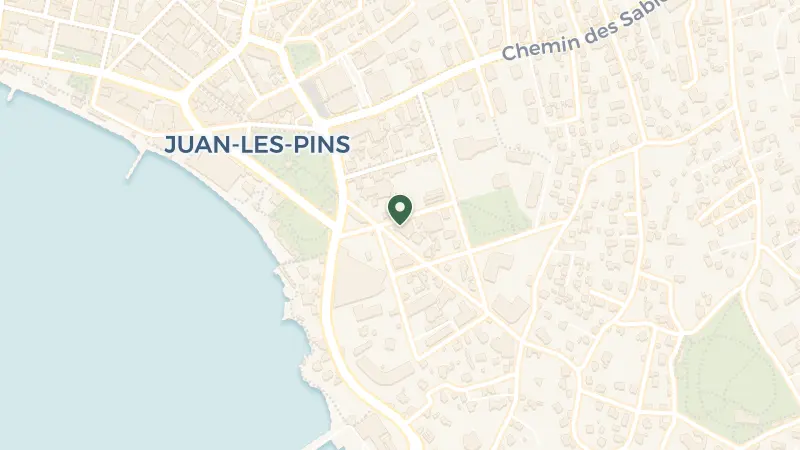
MGallery Collection properties occupy buildings with stories to tell, and The 1932 Hotel & Spa Cap d'Antibes honours its namesake year with the spirit of an era when the Riviera belonged to artists and exiles drawn to the quality of Mediterranean light. The hotel sits in Juan-les-Pins, the seaside quarter of Antibes that became synonymous with jazz and summer nights, a resort town that still hums with a different energy than its quieter neighbours.
Juan-les-Pins unfolds along a ribbon of sand beaches, pine-shaded boulevards, and Art Deco façades that recall the interwar golden age. This is Antibes at its most relaxed: the beaches here, Plage de la pinède and Plage Gallice three hundred metres away, feel approachable rather than exclusive, their sand warm underfoot by mid-morning. The broader Antibes coastline stretches between Nice and Cannes, anchored by the dramatic limestone thrust of Cap d'Antibes to the south, a peninsula of villas and umbrella pines where the shoreline turns rocky and wind-sculpted.
The Picasso Museum occupies the Château Grimaldi in old Antibes, six kilometres north, where the artist worked in 1946 and left behind a collection of ceramics and canvases soaked in cobalt and ochre. Nice-Côte d'Azur Airport lies thirteen kilometres northeast, connected by coastal train through stops that read like a mid-century travelogue: Cagnes, Villeneuve-Loubet, Biot.
The property's location in Juan-les-Pins positions you within walking distance of beaches that feel unhurried compared to Cannes, their sand warm underfoot and their shoreline dotted with parasols. The wider Cap d'Antibes peninsula rewards exploration: the Château de la Croë, built in 1927, sits among the Belle Époque estates that line the coastal road, while the Marché Forville in Cannes, eight and a half kilometres west, spreads across cobblestones every morning with towers of zucchini blossoms, wheels of banon cheese wrapped in chestnut leaves, and fishmongers calling out the day's catch from Villefranche.
Michelin recognition clusters in the hills and shoreline villages. Book a table at La Villa Archange in Vence, an 18th-century bastide eight kilometres northwest where Bruno Oger's two-starred kitchen works with artichokes à la barigoule and rouget in saffron fumet. Serious pilgrims drive to Menton for Mirazur's three-starred tasting menus overlooking the Italian border, forty-one kilometres east, or to Monaco for Alain Ducasse's Mediterranean craft at Le Louis XV, thirty-one kilometres along the coast. Closer in, the Marché provençal in Antibes brings producers down from the hills every morning with olive oil, tapenade, and branches of mimosa in winter.
Summer on this stretch of coast arrives with force. July and August push past twenty-eight degrees under a sky bleached pale, the beaches full by ten in the morning, the air thick with salt and sunscreen. Evenings cool just enough for tables outdoors.
Spring and autumn are the Riviera's open secret. April through June and September into October deliver warm sun without the press of crowds, temperatures in the low twenties, the light softer and more painterly. The sea stays swimmable into October.
Winter turns quiet and contemplative. Daytime highs hover around eleven or twelve degrees, rain likely but brief, the coast emptied of visitors. This is when locals reclaim the markets and promenades, when you can walk the beaches alone under pewter skies.
Frequently Asked Questions

Quotes are personally reviewed by Natasha Hardy, founder of The Uncommon Traveller
5.0 rating · 8 Google reviewsThere is no fee or markup. The hotel pays our commission.
Request a Quote 12 Bib Gourmand