The Cooper
When you book The Cooper in Charleston, USA, through our Preferred Platinum partnership, your stay includes daily breakfast for two and a $100 hotel credit per stay. You also receive a room upgrade when available. No premium credit card or membership needed: request a quote and our advisor books it at the same rate as booking direct.
Special Offer
+ A chilled bottle of Veuve Clicquot upon arrival + Daily breakfast in bed + A $250 dining credit to save the flavors of our signature restaurants + Premium seating at the chef's table at The Crossing + Wellness Spa experience (treatment of choice, $300 value) + Custom monogrammed robes
Exclusive Booking Perks
These perks are included with your stay at the same rate as booking direct with the hotel.
- Breakfast for Two Daily
- $100 Hotel Credit per Stay (to be used on services such as spa, dining, or selected amenities valued at $100 or more)
- Room Upgrade (subject to availability)
- Priority Check-in and Check-out (subject to availability)
Location
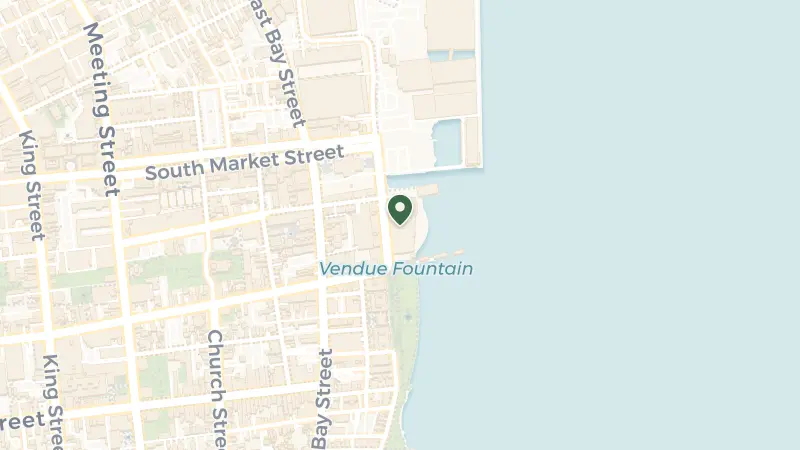
The Cooper sits in Charleston's French Quarter, a historic district where pastel-painted single houses line cobbled streets and wrought-iron balconies overhang narrow sidewalks. This is downtown Charleston at its most atmospheric: antebellum architecture meets Lowcountry light, and the rhythm of the city moves slower here, punctuated by the clip of carriage horses and the occasional toll of church bells. The neighbourhood earned its name from the concentration of French Huguenot settlers who arrived in the late 17th century, and that heritage threads through everything from the street grid to the surnames carved into tombstones at St. Philip's Church.
Walk four blocks and you'll reach Charleston City Market, where sweetgrass basket weavers practice an art form brought from West Africa centuries ago. The harbour sprawls just beyond, its views framed by the Battery's oak canopy and the distant silhouette of Fort Sumter. Rainbow Row's Georgian townhouses, a ten-minute stroll south, blaze in sherbet hues against the maritime sky.
Charleston International Airport lies seventeen kilometres north, a twenty-minute drive through the marshy expanse of the Lowcountry. Taxis and rideshares connect easily to downtown, depositing arrivals directly into the heart of the peninsula's historic core.
Charleston's dining scene has evolved far beyond she-crab soup and shrimp and grits, though both remain delicious anchors. Book a table at Vern's, where chef Daniel Heinze's nightly tasting menu draws on Lowcountry ingredients with a deft, contemporary hand; reservations disappear quickly, though a handful of bar seats welcome walk-ins. Wild Common, helmed by chef Orlando Pagán, offers an equally inventive progression, with optional upgrades like caviar eggs Benedict that elevate the experience without overshadowing the core menu. For a different mood, Malagón Mercado y Taperia channels old-world Spain in a small, unassuming King Street space, its open kitchen producing plates of jamón ibérico and tortilla española alongside bottles from the packed shelves.
Beyond the table, history unfolds at every corner. Fort Sumter and Fort Moultrie National Historical Park preserves the site where the first shots of the Civil War rang out; Liberty Square, little more than a kilometre away, serves as the embarkation point for harbour tours. The sweetgrass basket vendors at Charleston City Market work in full view, their hands moving through patterns unchanged for generations. Sunrise Park Beach, three kilometres across the harbour, offers sand and tidal flats for those seeking a break from cobblestones.
Spring arrives gently in Charleston, temperatures climbing from cool March mornings into warm, blossom-scented April afternoons. Azaleas and wisteria ignite the historic district, and the harbour breeze keeps the heat manageable. By June, humidity thickens the air and thunderstorms roll in off the Atlantic with biblical regularity, drenching the streets and leaving them steaming.
Autumn reverses the equation. September holds onto summer's warmth, but October brings relief: cooler evenings, golden light slanting across the Battery, and skies scrubbed clean after hurricane season's departure. November and December see temperatures dip into the mid-teens, though frost remains rare this close to the coast.
Winter is mild and quiet, the tourist crowds thinned and the air crisp enough for long walks through the French Quarter. Mornings hover just above freezing, afternoons warm quickly, and the occasional cold snap sends locals scrambling for sweaters. Late February through May remains the ideal window, when the city blooms without wilting under the weight of summer heat.
Frequently Asked Questions

Quotes are personally reviewed by Natasha Hardy, founder of The Uncommon Traveller
5.0 rating · 8 Google reviewsThere is no fee or markup. The hotel pays our commission.
Request a Quote 2 Bib Gourmand