The Excelsior, a Luxury Collection Hotel, Florence
When you book The Excelsior, a Luxury Collection Hotel, Florence in Italy, through our Marriott STARS partnership, your stay includes daily breakfast for two and a $100 USD hotel credit once per stay. You also receive a room upgrade when available. You continue earning Marriott Bonvoy points and elite night credits. No premium credit card or membership needed: request a quote and our advisor books it at the same rate as booking direct.
Exclusive Booking Perks
These perks are included with your stay at the same rate as booking direct with the hotel.
- Personalized and customized amenity
- Complimentary breakfast daily for two guests per room
- All STARS hotels offer a hotel credit valued at $100 USD (once per stay)
- Early check-in and late check-out (when available)
- Complimentary upgrade (if available at check-in)
Guest feedback
9.3/10 from 278 guest reviews
Read what guests commentedBy category
Guests liked
- Exceptional service
- Beautiful location
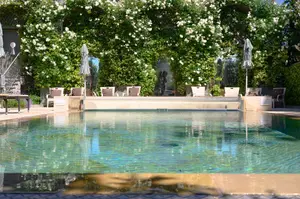
- Great amenities
Points to consider
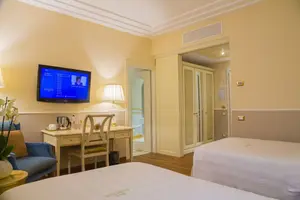
- Outdated room quality
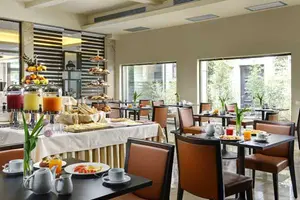
- Limited breakfast selection
Location
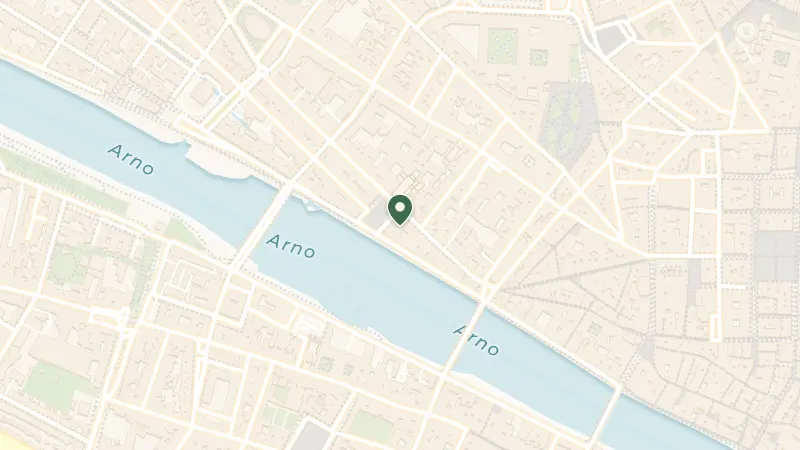
The Luxury Collection draws from a century-old lineage of independent hotels, each chosen for its singular sense of place. This Florence property carries that tradition into a city where art, commerce, and political power converged to ignite the Renaissance. San Frediano, in the Oltrarno district across the Arno, retains a working-class authenticity that the centro storico has largely surrendered to tourism. Artisan workshops line narrow streets. The morning sounds are hammers on leather, not tour-group chatter.
The Porta San Frediano, a massive medieval gate at the end of Borgo San Frediano, once opened the road to Pisa. It still marks the western edge of the historic quarter, a threshold between the walled city and the Tuscan hills beyond. Walk east toward the river and you pass trattorie where locals queue for trippa, osterie pouring natural wines from terracotta amphora, and the quieter corners of the Boboli Gardens.
The Historic Centre of Florence, a UNESCO site encompassing six centuries of artistic ambition, lies within a kilometre. Florence Airport, Peretola, is five kilometres north. Most visitors arrive by rail at Santa Maria Novella, a fifteen-minute walk from the Oltrarno bridges.
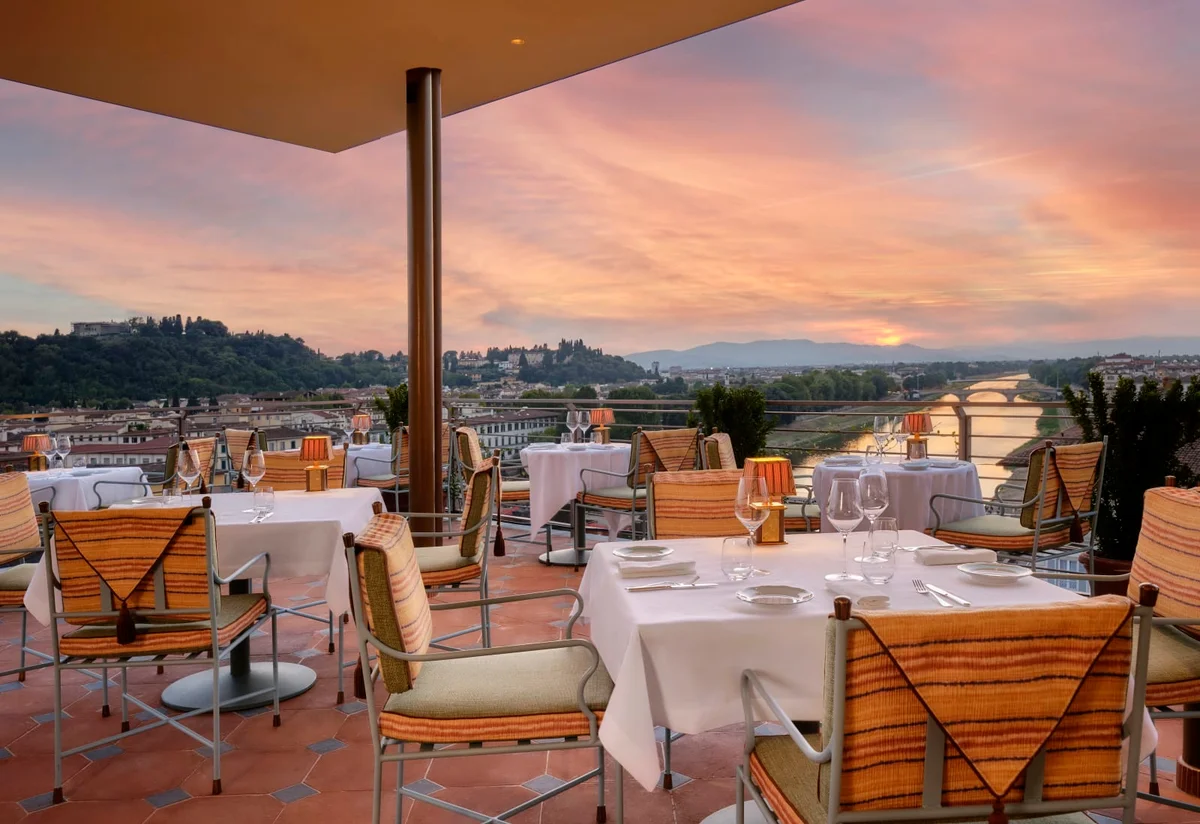
Borgo San Jacopo, one Michelin star, occupies a prime stretch of riverfront 620 metres east in the Hotel Lungarno, its name honouring the Oltrarno district and its position just steps from the Ponte Vecchio. The kitchen delivers modern Italian cooking framed by views of the Arno and the medieval skyline. For the city's most storied dining experience, Enoteca Pinchiorri holds three Michelin stars inside a 17th-century palazzo on Via Ghibellina, 1.3 kilometres northeast; the wine programme is as legendary as the contemporary Italian tasting menus. Book weeks ahead for either. Closer to the hotel, the Mercato del Porcellino and Mercato di San Lorenzo, both 700 metres north, offer leather goods, produce stalls, and the scent of roasting porchetta.
The Historic Centre of Florence spreads across the north bank, a living museum of Renaissance ambition. The Duomo's terracotta dome dominates the skyline; the Uffizi holds Botticelli's Birth of Venus and rooms of Caravaggio and Leonardo. Eleven kilometres north, the Medici Villas and Gardens, a separate UNESCO site, trace the family's country retreats through geometric parterres and frescoed salons. For wine context beyond the city, Fattoria di Bagnolo lies 8.8 kilometres west, and Mangiacane Winery 10.3 kilometres south, both offering tastings among Chianti vineyards.
July and August bake the city into stillness. Temperatures climb past thirty degrees, the stone piazzas radiate heat, and Florentines retreat to the coast or the Chianti hills. June and September offer warmth without the crush, long evenings when the light turns gold over the Arno and café tables fill with Aperol and conversation.
Spring arrives in March with wisteria climbing palazzo walls and sudden downpours that clear as quickly as they gather. October through November sees the vendemmia, the grape harvest, and trattorie serve porcini and chestnuts pulled from the surrounding forests. Winter is quiet, cool, occasionally damp, the city returned to its inhabitants.
The best months are May and late September, when temperatures hover in the low twenties and the quality of light explains why so many painters came here to learn to see.
Frequently Asked Questions

Quotes are personally reviewed by Natasha Hardy, founder of The Uncommon Traveller
5.0 rating · 8 Google reviewsThere is no fee or markup. The hotel pays our commission.
Request a Quote 10 Bib Gourmand