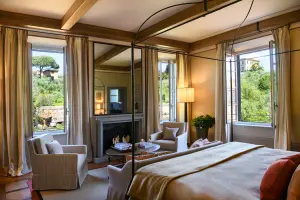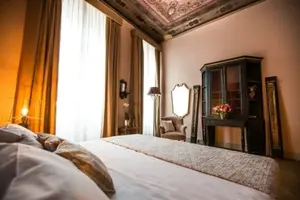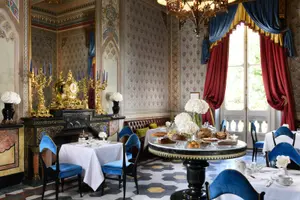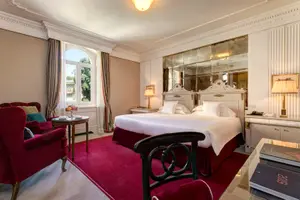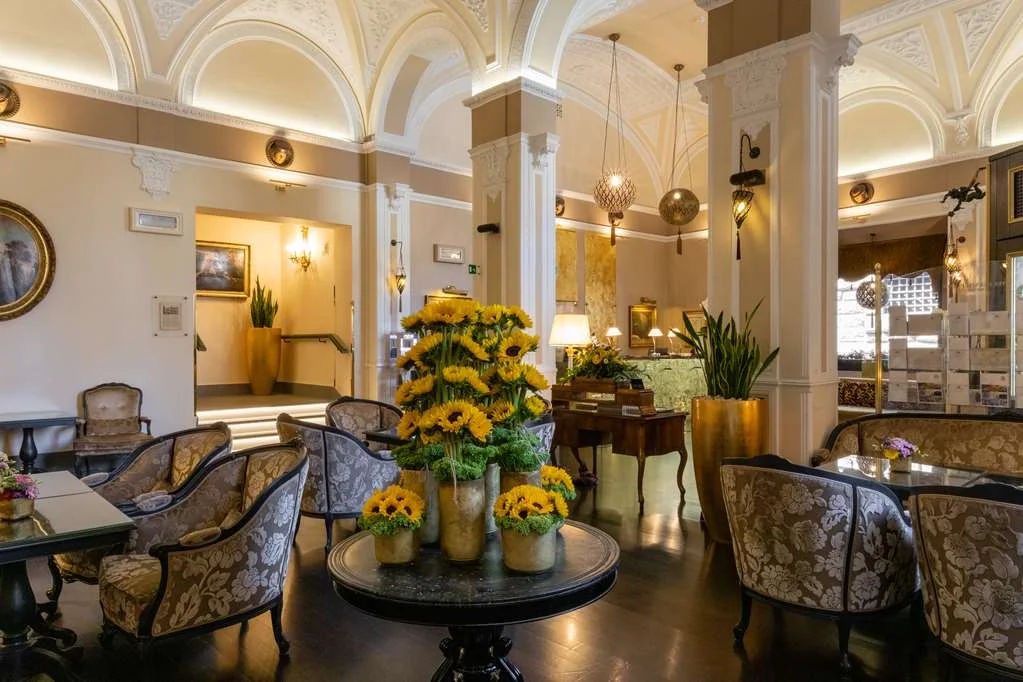
Bernini Palace
When you book Bernini Palace in Florence, Italy, through our Preferred Platinum partnership, your stay includes daily breakfast for two, a $100 hotel credit per stay and a welcome amenity. You also receive a room upgrade when available. No premium credit card or membership needed: request a quote and our advisor books it at the same rate as booking direct.
Exclusive Booking Perks
These perks are included with your stay at the same rate as booking direct with the hotel.
- Breakfast for Two Daily
- $100 Hotel Credit per Stay (to be used on services such as spa, dining, or selected amenities valued at $100 or more)
- Hotel Welcome Amenity
- Room Upgrade (subject to availability)
- Priority Check-in and Check-out (subject to availability)
Guest feedback
9.2/10 from 1,603 guest reviews
By category
Guests liked
- Excellent location
- Friendly staff
- Beautiful hotel
Points to consider
- Breakfast options limited
- Cleanliness issues noted
Location
Florence unfolds as a living museum where centuries collapse into single streets. The scent of espresso from corner bars mixes with the sweetness of leather from artisan workshops. Church bells punctuate conversations in piazzas where Dante once walked, and afternoon light turns ochre palazzi the colour of burnt sienna. This is the Renaissance made tangible, where Medici patronage shaped not just buildings but the trajectory of European thought itself. The Florentine dialect spoken here became the language of culture across Italy, carried by the literary giants whose works still define the canon.
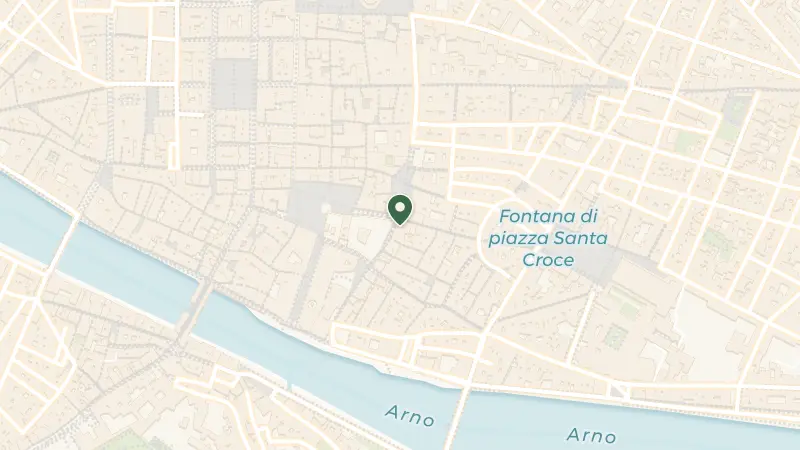
The property stands steps from Piazza della Signoria, the political heart of Florence since medieval times. The square remains a showcase of Renaissance palaces and sculpture, dominated by the fortress-like Palazzo Vecchio. Walk three minutes north and you reach the Duomo, Brunelleschi's engineering marvel crowned with its terracotta dome. The Uffizi Gallery, home to Botticelli's Birth of Venus, lies equally close. The entire Historic Centre earned UNESCO protection in 1982 for its six centuries of uninterrupted artistic achievement.
Florence Airport sits six kilometres northwest with taxi connections taking roughly twenty minutes depending on traffic. Most arrive instead through Pisa International, seventy kilometres west, drawn by the city's gravitational pull on anyone who loves art, architecture, or the idea that a single place can change civilization.
Start with Enoteca Pinchiorri, 380 metres from the property on Via Ghibellina. This three-Michelin-starred institution occupies a seventeenth-century palazzo and remains one of Italy's most celebrated tables, its cellar legendary among oenophiles. Book weeks ahead. Closer still, Gucci Osteria da Massimo Bottura earned its star within Piazza della Signoria itself, just 89 metres away, marrying Modenese innovation with Florentine tradition under frescoed ceilings. For those willing to venture into the Tuscan countryside, Arnolfo in Colle di Val d'Elsa, forty kilometres south, holds two stars and offers sweeping views through its modern glass-and-iron dining room.
Beyond the table, Florence demands your feet. The Uffizi and Accademia command hours, but the real texture emerges at Mercato del Porcellino, 300 metres west, where leather goods and straw market stalls have traded since the sixteenth century. Cross the river to San Miniato al Monte for a perspective on the city Brunelleschi built. For a break from Renaissance density, the Medici Villas scattered across the Tuscan landscape, eleven kilometres out, show how this banking dynasty translated wealth into garden-bound retreat.
Summer in Florence means temperatures climbing past thirty degrees in July, when locals flee to coastal Versilia and the city empties enough to walk the Ponte Vecchio without elbowing through crowds. The light turns harsh and white, bouncing off pale stone until the streets shimmer. Air conditioning makes museums the natural refuge during midday hours.
Spring and autumn offer the most forgiving conditions. April through May and September through October bring temperatures in the high teens to mid-twenties, ideal for covering the distances between churches, galleries, and piazzas on foot. October sees the most rain, but showers tend toward the dramatic and brief rather than the drizzling and persistent.
Winter transforms the city into something quieter and more introspective. January mornings can dip near freezing, and the Arno looks pewter under low grey skies. Crowds thin to a fraction of summer numbers, and restaurants that cater to locals rather than tourists reveal themselves. The cold feels penetrating rather than numbing, cut by warm gusts from bakery doors and wine bars where Chianti flows as steadily as conversation.
Frequently Asked Questions

Quotes are personally reviewed by Natasha Hardy, founder of The Uncommon Traveller
5.0 rating · 8 Google reviewsThere is no fee or markup. The hotel pays our commission.
Request a Quote 10 Bib Gourmand