Collegio alla Querce, Auberge Collection
When you book Collegio alla Querce, Auberge Collection in Florence, Italy, through our Virtuoso partnership, your stay includes daily breakfast for up to two guests and a $100 USD resort or hotel credit. You also receive a room upgrade, early check-in and late check-out when available. No premium credit card or membership needed: request a quote and our advisor books it at the same rate as booking direct.
Special Offer
+ 50% off room
Exclusive Booking Perks
These perks are included with your stay at the same rate as booking direct with the hotel.
- Upgrade on arrival, subject to availability
- Daily full breakfast for up to two guests per bedroom, served in the restaurant or via in-room dining
- $100 USD equivalent Resort or Hotel credit to be utilized during stay (not combinable, not valid on room rate, no cash value if not redeemed in full)
- Early check-in / Late check-out, subject to availability
Location
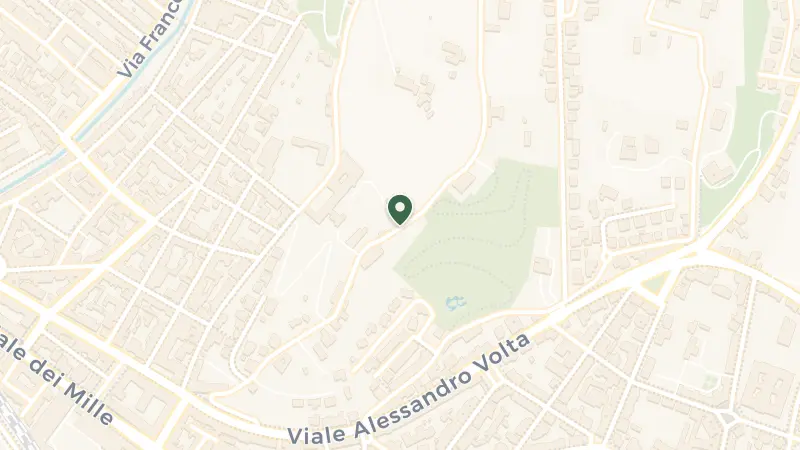
Auberge Resorts Collection brings its ethos of intimate, design-led hospitality to Florence, where understated residential luxury meets a city that shaped the Western imagination. The property sits in Le Cure, a residential quarter north of the historic centre where neighbourhood bakeries and morning markets pulse with Florentine life rather than tourist crowds. This is the Florence of laundry strung between ochre façades and espresso taken standing at the bar, a short walk from the Duomo's impossible dome but insulated from the crush of Via de' Tornabuoni.
Florence rose from medieval trade hub to cradle of the Renaissance under Medici patronage, and the weight of that legacy presses into every cobblestone. Dante's Florentine dialect became the language of Italian literature; Brunelleschi's architecture rewrote the rules of space and proportion. The Historic Centre, a UNESCO World Heritage Site since 1982, unfolds within two kilometres: the Uffizi's Botticellis, the marble geometry of the Baptistery, the Ponte Vecchio's jewellers clinging to their bridge as they have for centuries.
Florence Airport sits six kilometres north, a fifteen-minute drive through suburbs that quickly give way to the Arno valley's cypress-studded hills. The property anchors a neighbourhood where daily rhythms outlast seasonal tides, close enough to walk to Piazza del Duomo yet removed from its relentless foot traffic.
Within two kilometres, Florence's dining landscape ascends to rarefied heights. Il Palagio, one-starred and set within the marble-clad Palazzo della Gherardesca, delivers Italian contemporary cuisine beneath Murano glass chandeliers; book a table for an evening of studied luxury. Enoteca Pinchiorri, holding three Michelin stars since its rise to prominence, occupies a seventeenth-century palazzo on Via Ghibellina and remains one of Italy's most storied fine-dining destinations. For morning immersion in Florentine life, walk to Mercato delle Cure, less than a kilometre away, where vendors arrange porcini mushrooms, wheels of pecorino, and just-picked basil with the care of curators. The larger Mercato di Sant'Ambrogio, two kilometres southeast, offers the same authenticity with more variety: order lampredotto (tripe stewed in tomato broth) from a street-side vendor and taste Florence as locals do.
Beyond the city, Tuscany's viticultural heritage unfolds within easy reach. Marchesi Frescobaldi, ten kilometres southwest, represents seven centuries of winemaking tradition; tastings here move through Chianti Rufina, Pomino, and the estate's flagship Super Tuscans. The Medici Villas, a UNESCO-inscribed collection of twelve Renaissance estates scattered across the countryside, reveal how the Medicis shaped not just art but landscape itself, their gardens and hunting lodges now open for exploration.
Summer arrives in late June with temperatures climbing past 30°C by mid-July, the kind of heat that empties piazzas between noon and four and sends locals to the hills. The Arno slows to a trickle, stone radiates warmth long after sunset, and gelato becomes less indulgence than survival strategy. August sees the city half-shuttered as Florentines decamp for the coast.
Spring and autumn offer the city at its most generous. April through May and September through early October bring daytime highs in the low twenties, perfect light for studying frescoes, and the soft golden hour that makes every façade glow. October rains arrive in earnest, turning terracotta rooftops darker and filling the streets with the scent of wet stone.
Winter strips Florence to its structural bones. January mornings hover just above freezing, mist clings to the Arno, and the crowds thin enough to stand alone before Michelangelo's David. Museums feel warmer, trattorias more welcoming, the city more itself.
Frequently Asked Questions

Quotes are personally reviewed by Natasha Hardy, founder of The Uncommon Traveller
5.0 rating · 8 Google reviewsThere is no fee or markup. The hotel pays our commission.
Request a Quote 10 Bib Gourmand