Brunelleschi Hotel
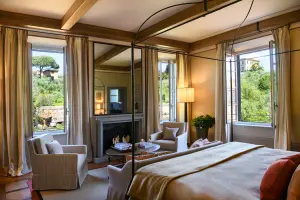
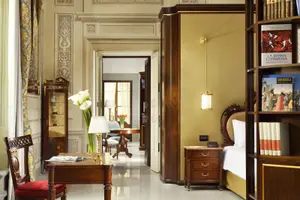
When you book Brunelleschi Hotel in Florence, Italy, through our Virtuoso partnership, your stay includes daily buffet breakfast for up to two guests and a $100 USD food and beverage credit. You also receive a room upgrade, early check-in and late check-out when available. No premium credit card or membership needed: request a quote and our advisor books it at the same rate as booking direct.
Special Offer
+ 5% off rates plus Virtuoso amenities
Exclusive Booking Perks
These perks are included with your stay at the same rate as booking direct with the hotel.
- Upgrade on arrival, subject to availability
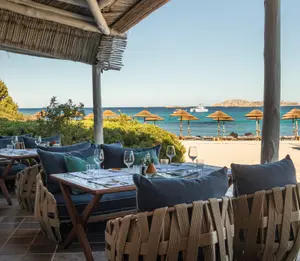
- Daily Buffet Breakfast for up to two guests per bedroom, served in Hotel Restaurant
- $100 USD equivalent Food & Beverage credit to be utilized during stay (not combinable, not valid on room rate, no cash value if not redeemed in full)
- Bookings in our Junior Suite or higher categories will receive an additional $100 Food & Beverage credit (for a total of $200 during stay)
- Early Check-In / Late Check-Out, subject to availability
Guest feedback
9.4/10 from 499 guest reviews
By category
Guests liked
- Great location
- Excellent service
Location
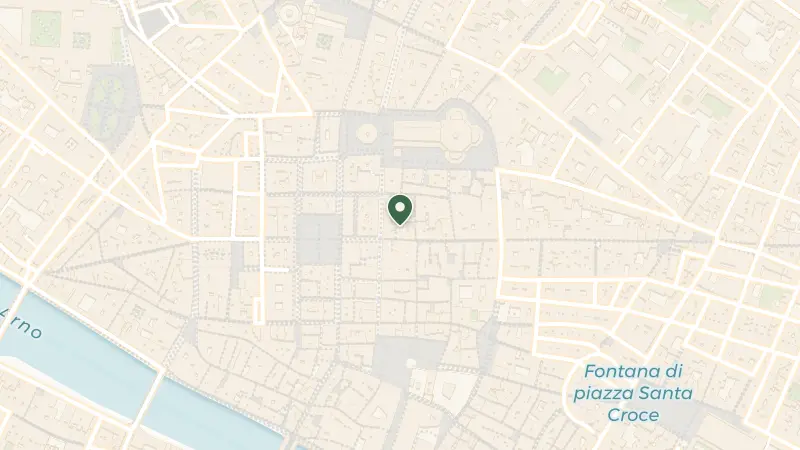
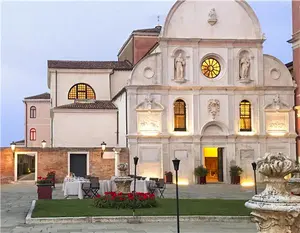
The property stands within Florence's historic core, its foundations anchored in the Byzantine Torre della Pagliazza, the oldest and only circular tower in the city. This is Medici territory: the streets radiate outward from the same Renaissance epicentre that gave the world Dante's Italian, Michelangelo's David, and the architectural grammar of domes and loggias that spread across Europe. The neighbourhood hums with purpose rather than postcard stillness. Leather artisans still cut and stitch in workshops along medieval lanes. The Arno curves just beyond the tower streets, reflecting ochre façades in its slow-moving water.
Walk three minutes and you reach Piazza della Signoria, where the Loggia dei Lanzi shelters marble gods beneath open arches. The Duomo's striped campanile rises a few blocks north, Brunelleschi's dome commanding the skyline as it has since 1436. Via dei Calzaiuoli, the main pedestrian artery between cathedral and river, threads through blocks of Renaissance palazzi where every archway opens onto frescoed courtyards.
Florence Airport sits six kilometres northwest, a quick tram ride (T2 line) or taxi into the centre. Pisa's larger international airport lies seventy kilometres west, linked by direct trains that pull into Santa Maria Novella station within the city walls. Once arrived, the city's compact scale rewards walking: most landmarks fall within a fifteen-minute radius from the hotel's tower.
Enoteca Pinchiorri holds three Michelin stars just 548 metres from the hotel, its seventeenth-century palazzo on Via Ghibellina a destination unto itself for those who consider dining an art form. Closer still, Atto di Vito Mollica occupies Palazzo Portinari's frescoed Corte degli Imperatori, where sixteenth-century works by Alessandro Allori frame Italian contemporary cuisine awarded one star. Book a table at either for an evening that balances historical grandeur with culinary precision.
Beyond the plate, the city unfolds in layers. Mercato del Porcellino, two hundred metres away, offers leather goods and Florentine craftsmanship beneath bronze arcades. The Uffizi and Palazzo Vecchio anchor the cultural calendar, but the real discoveries happen in smaller churches: San Miniato al Monte for Romanesque mosaics, or Santa Croce for Giotto frescoes. Day trips extend the Medici narrative to the UNESCO-listed villas scattered across the Tuscan landscape within ten kilometres, their gardens demonstrating the family's influence on European cultural patronage. Don't miss Mercato di Sant'Ambrogio, less than a kilometre east, where Florentines still shop for porcini and pecorino among vendors who've held the same stalls for decades.
Spring light in Florence has a particular clarity, sharp and cool in March when temperatures climb to fourteen degrees, softening into warm afternoons by May as wisteria drapes the loggias. Summer heat builds through July and August, pushing thirty degrees under cloudless skies; locals flee to the coast, leaving the piazzas quieter at midday. Evenings stay warm enough for outdoor dinners until late.
Autumn claims September with gentler warmth and the arrival of tartufo bianco season, though October rains can be persistent. Winter is brief and mild, rarely harsh but often grey, with temperatures hovering near ten degrees; museums and galleries gain breathing room, and the low sun casts long shadows across the Duomo's marble.
May through June and September through early October offer the best balance: comfortable temperatures, manageable crowds, and the city's full cultural calendar in motion.
Frequently Asked Questions

Quotes are personally reviewed by Natasha Hardy, founder of The Uncommon Traveller
5.0 rating · 8 Google reviewsThere is no fee or markup. The hotel pays our commission.
Request a Quote 10 Bib Gourmand