Anantara Palazzo Naiadi Rome Hotel
When you book Anantara Palazzo Naiadi Rome Hotel in Italy through our Virtuoso partnership, your stay includes daily full breakfast for up to two guests and a $100 USD food and beverage credit. You also receive a room upgrade, early check-in and late check-out when available. No premium credit card or membership needed: request a quote and our advisor books it at the same rate as booking direct.
Exclusive Booking Perks
These perks are included with your stay at the same rate as booking direct with the hotel.
- Upgrade on arrival, subject to availability
- Daily Full breakfast for up to two guests per bedroom, served in the restaurant
- $100 USD equivalent Food & Beverage credit to be utilized during stay (not combinable, not valid on room rate, no cash value if not redeemed in full)
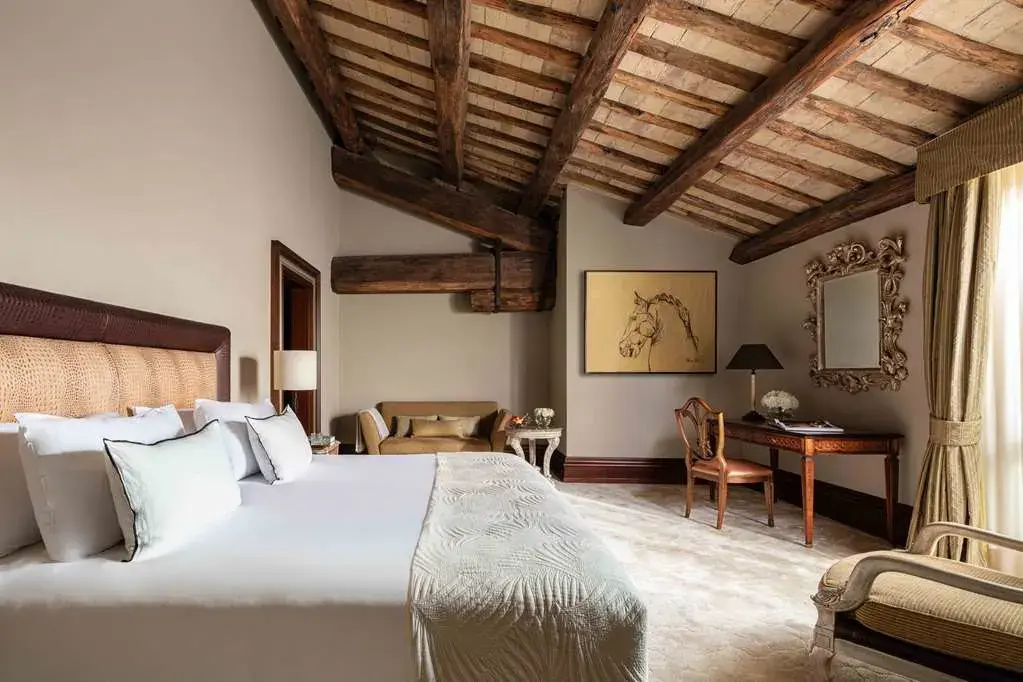
- Bookings in our Junior Suite Piazza View or higher categories will receive an additional $100 Food & Beverage credit (for a total of $200 during stay)
- Stays of 5+ nights will receive an additional $100 Food & Beverage credit (for a total of $200 during stay, or $300 for higher room categories)
- Stays of 7+ nights will receive an additional $200 Food & Beverage credit (for a total of $300 during stay, or $400 for higher room categories)
- Early check-in / Late check-out, subject to availability
Guest feedback
9.0/10 from 774 guest reviews
Read what guests commentedBy category
Guests liked
- Excellent location
- Friendly staff
- Comfortable rooms
Points to consider
- Cleanliness issues
- Disappointing amenities
- Long walk to rooms
Location
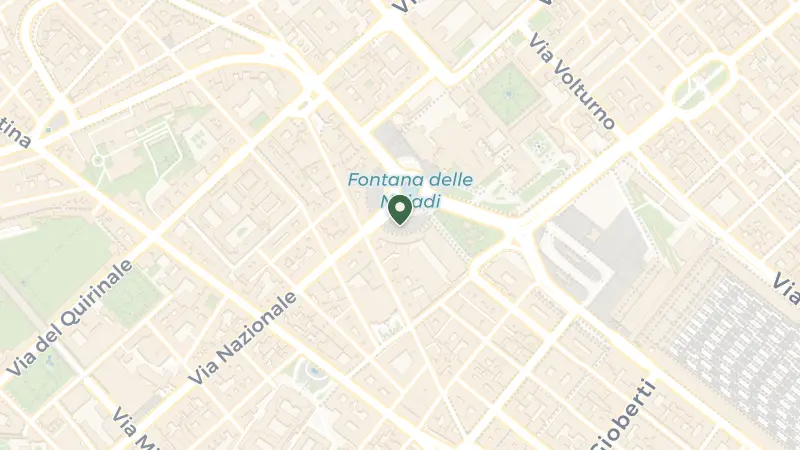
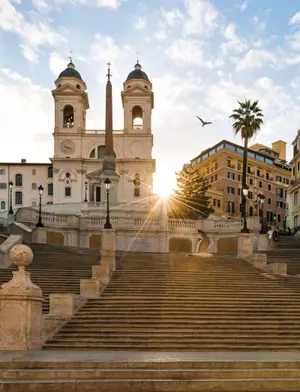
Anantara's Sanskrit etymology, "without end", captures the spirit of a brand that positions cultural immersion at the heart of every stay, and nowhere does that philosophy resonate more deeply than in Rome, where history layers upon history in an unbroken continuum stretching back nearly three millennia. The property stands in the Castro Pretorio quarter of Municipio I, the administrative heart that enfolds all of the city's historic rioni and places guests within immediate reach of the Eternal City's defining monuments.
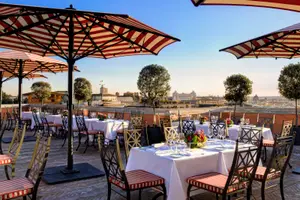
This is Rome at its most operatic: the curved embrace of Piazza della Repubblica sits just outside, while the Tiber Valley unfolds to the west, its geography shaped by the seven hills that gave the city its ancient nickname. Vatican City, the world's smallest sovereign state and seat of the Catholic Church, lies three kilometres away.
The neighbourhood pulses with the rhythm of a living capital, 2.7 million Romans navigating streets where legend claims Romulus and Remus founded their settlement in 753 BC. Leonardo da Vinci-Fiumicino Airport sits 23 kilometres southwest, connected by express rail and taxi.
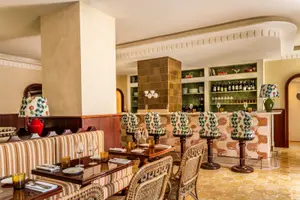
INEO holds one Michelin star and occupies the same travertine sweep of Piazza della Repubblica, its entrance adjacent to the hotel's own. The kitchen works within an international framework that absorbs Roman tradition without replicating it, a fitting complement to the city's longstanding comfort with outside influence. For a more ambitious evening, book a table at La Pergola, the three-starred Mediterranean standard-bearer perched four and a half kilometres northwest, recently refurbished in travertine tones and Roman red that mirror the city's palette. ACQUOLINA, just under two kilometres north near Piazza del Popolo, offers two-starred creative cuisine in a dining room of understated contemporary design. Start with the Ara Pacis museum, which houses Augustus's monumental altar from 8 BCE, its marble friezes depicting a Rome still inventing the visual language of imperial power. The Trevi Fountain and the Roman Forum require no preamble; both deliver exactly what legend promises, with the latter's Arch of Septimius Severus dating to 203 CE and the Circus Maximus stretching southward in a grassy hollow that once held a quarter-million spectators.
The Mercato di Monti, less than a kilometre east, gathers vintage dealers and artisan makers on weekends, while Nuovo Mercato Esquilino channels the polyglot energy of the city's most multicultural quarter with stalls of North African spices, Asian vegetables, and Roman staples under a wrought-iron canopy.
Summer in Rome is a study in contrasts: July temperatures climb past 31°C, the city emptying as Romans decamp to the coast and the light turns white and hard against ochre facades. August remains hot, the streets quieter still, while September eases into the low twenties with softer golden hours that make walking the Forum almost meditative.
October brings rain, 143 millimetres on average, but also the best light for photography and fewer crowds at the major sites. Winter is mild by northern European standards, daytime highs hovering around 12°C, though evenings require a coat.
Spring unfolds slowly, March still cool and wet, but by May the city blooms, temperatures reaching the low twenties and cafe tables spilling onto every piazza. April through June and September through October offer the most comfortable conditions for exploration.
Frequently Asked Questions

Quotes are personally reviewed by Natasha Hardy, founder of The Uncommon Traveller
5.0 rating · 8 Google reviewsThere is no fee or markup. The hotel pays our commission.
Request a Quote 10 Bib Gourmand