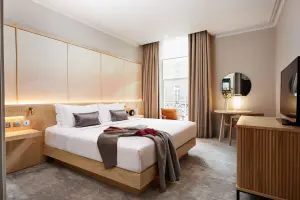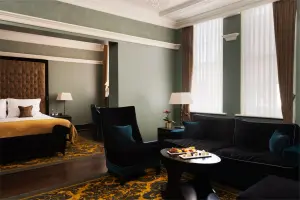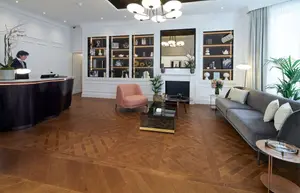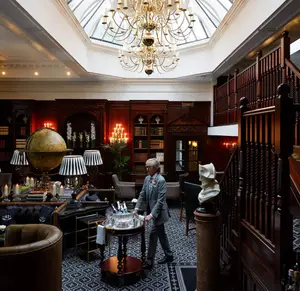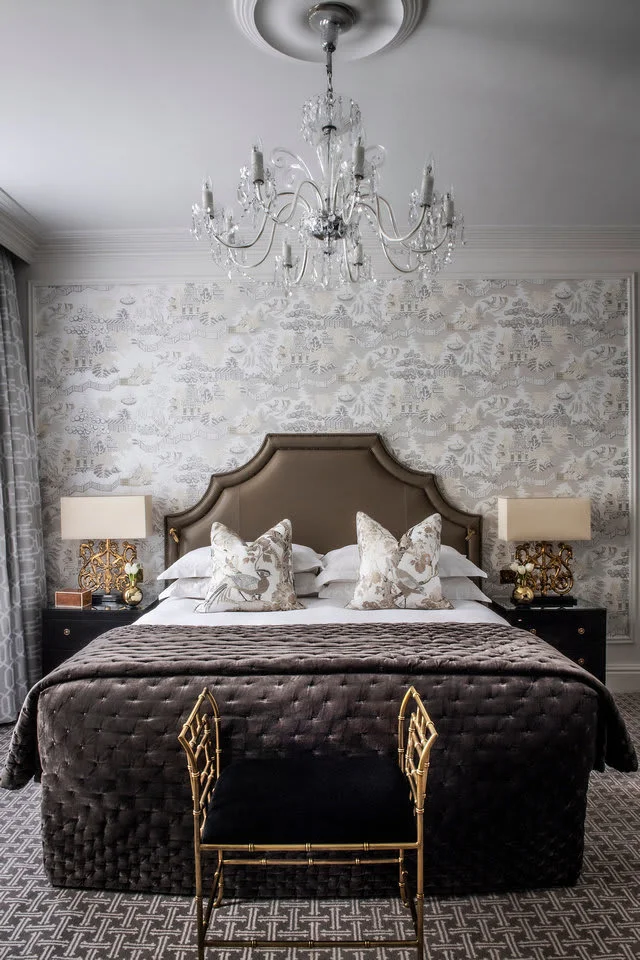
The Kensington Hotel
When you book The Kensington Hotel in London, England, through our Fora Reserve partnership, your stay includes an 85 GBP food and beverage credit per stay. You also receive a one-category room upgrade, early check-in and late check-out when available. No premium credit card or membership needed: request a quote and our advisor books it at the same rate as booking direct.
Exclusive Booking Perks
These perks are included with your stay at the same rate as booking direct with the hotel.
- Daily breakfast for two or up to 35 GBP room service credit
- 85 GBP food and beverage credit per stay
- Room upgrade to the next room type based on availability
- Early check-in and late check-out based on availability
- Dedicated guest relations team
Guest feedback
9.4/10 from 862 guest reviews
By category
Guests liked
- Great location
- Friendly staff
- Excellent amenities
Points to consider
- Confusing billing details
Location
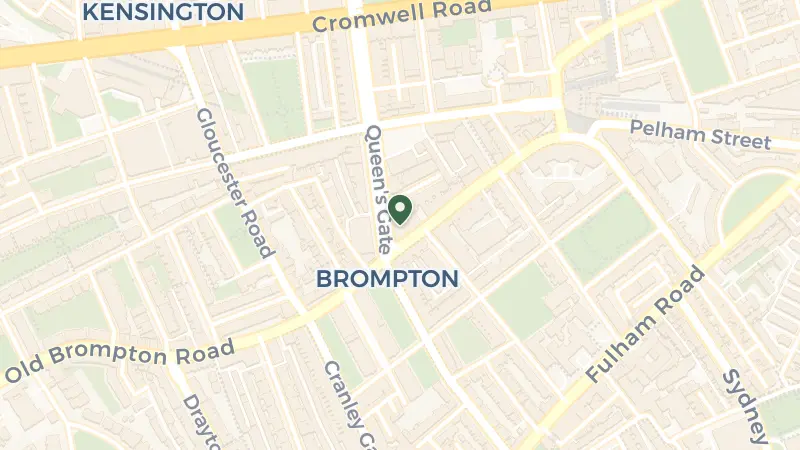
The property occupies a prime corner in Brompton, the Royal Borough's most cultivated quarter, where the boundary between Kensington and Chelsea dissolves into tree-lined streets of white stucco townhouses and museum-calibre institutions. This was market garden land until the mid-19th century, transformed by Victorian ambition into one of London's most desirable residential enclaves. The neighbourhood pulses with a confident, international rhythm: gallery-hoppers spill from the Victoria and Albert Museum just minutes north, while South Kensington's terracotta-fronted Natural History Museum draws families and scholars alike. Brompton Road itself carries the hum of black cabs and double-deckers westward toward Knightsbridge, where Harrods' terracotta façade marks the shift from cultural to commercial grandeur.
Walk these pavements and you'll pass Georgian doorways framed by wisteria, French patisseries perfuming the morning air with almond and butter, and the kind of independent bookshops that still wrap parcels in brown paper. Holy Trinity Brompton, the neighbourhood's first parish church from 1829, anchors the community spirit. The streets feel distinctly residential despite the proximity to major landmarks, a quality that separates Brompton from the tourist crush of neighbouring districts.
London City Airport lies sixteen kilometres east along the Thames corridor, while Heathrow sits twenty kilometres west; the Piccadilly line and motorway links connect both efficiently to this central postcode.
Three-Michelin-starred Restaurant Gordon Ramsay holds court 1.4 kilometres south in Chelsea, where the chef's flagship maintains exacting standards in an atmosphere of relaxed elegance. Alain Ducasse's jewel box at The Dorchester, 2.4 kilometres northeast, delivers French precision with a service team renowned for warmth and intuition, while Hélène Darroze's cosy, wood-panelled dining room at The Connaught, 2.8 kilometres away, proves that three stars need not mean stiff formality. Book well ahead for any of these. Closer to the property, Pimlico Road Farmers' Market brings organic produce and artisan bread to the neighbourhood each Saturday, a ritual worth timing your stay around if you appreciate market mornings. Notting Hill's Saturday farmers' market, 2.2 kilometres northwest, draws crowds for its cheeses and preserves, while Portobello Market's antiques and vintage clothing stalls sprawl across three kilometres of pavement further west.
The Palace of Westminster and Westminster Abbey, a UNESCO World Heritage ensemble of neo-Gothic architecture and medieval ecclesiastical power, rise four kilometres east along the Thames. The Tower of London's Norman fortifications, seven kilometres downstream, offer a stark counterpoint to Westminster's Victorian romanticism, while the Royal Botanic Gardens at Kew, eight kilometres southwest, showcase three centuries of landscape design and botanical collection.
Spring arrives tentatively, with March and April temperatures climbing from nine to twelve degrees and sudden showers sweeping across Hyde Park. The city shakes off winter's grey caution; museum courtyards fill with visitors shedding layers, and café tables colonize pavements again. May and June bring the best of London's weather, temperatures reaching the high teens with long evenings that stretch past nine o'clock, though June sees the year's heaviest rainfall.
July and August deliver proper warmth, temperatures touching twenty-one degrees, the city's parks turning into open-air lounges where office workers lunch on the grass and theatre queues form in shirtsleeves. August is notably drier than most months, though afternoon thunderstorms can roll in dramatically. These are London's most crowded months, but also its most exuberant.
Autumn's golden light from September through early November casts the city's Portland stone in its most flattering glow, temperatures gradually retreating from twenty degrees to ten. Winter brings short days and damp cold rather than deep freeze, the thermometer hovering between two and seven degrees, but festive markets and theatre season more than compensate for the early darkness.
Frequently Asked Questions

Quotes are personally reviewed by Natasha Hardy, founder of The Uncommon Traveller
5.0 rating · 8 Google reviewsThere is no fee or markup. The hotel pays our commission.
Request a Quote 54 Bib Gourmand