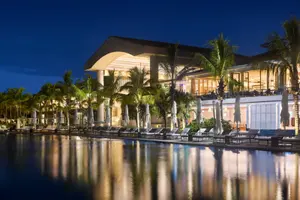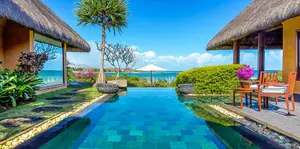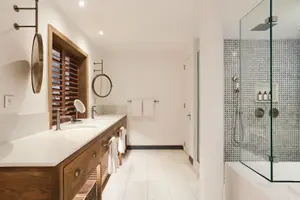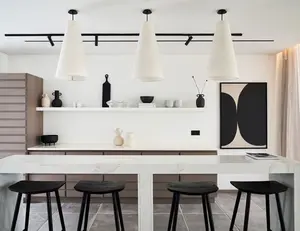
The St. Regis Le Morne Resort, Mauritius
When you book The St. Regis Le Morne Resort, Mauritius, through our Marriott STARS partnership, your stay includes daily breakfast for two and a $100 USD hotel credit once per stay. You also receive a room upgrade when available. You continue earning Marriott Bonvoy points and elite night credits. No premium credit card or membership needed: request a quote and our advisor books it at the same rate as booking direct.
Exclusive Booking Perks
These perks are included with your stay at the same rate as booking direct with the hotel.
- Personalized and customized amenity
- Complimentary breakfast daily for two guests per room
- All STARS hotels offer a hotel credit valued at $100 USD (once per stay)
- Early check-in and late check-out (when available)
- Complimentary upgrade (if available at check-in)
Location
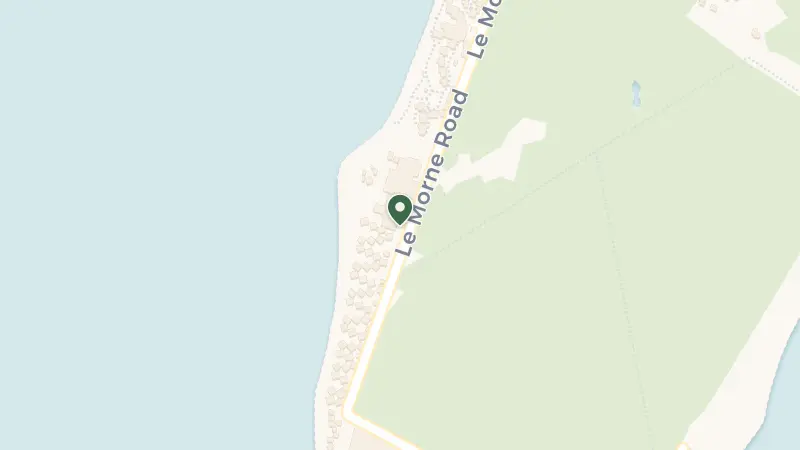
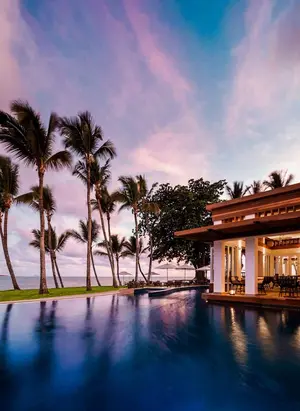
St. Regis blends formal refinement with local cultural references, a dedicated butler service tending to details that might otherwise slip notice. The brand's New York pedigree translates here into polished ritual set against Mauritius's volcanic drama and turquoise shallows. The property anchors itself at the foot of Le Morne Brabant, a UNESCO-inscribed basalt massif rising 556 metres from the Indian Ocean's southwestern edge. This mountain carries weight beyond geology: through the 18th and early 19th centuries, runaway enslaved people sheltered in its caves and cliffs, and the peninsula became a symbol of resistance and freedom.
The southwest coast feels emptier than the island's populous north. Le Morne Beach stretches white and broad, framed by casuarina trees that whisper in the trade winds. Kitesurfers carve across the lagoon where the reef keeps the water shallow and warm. The nearest towns, Case Noyale and Le Morne village, are quiet settlements of corrugated roofs and roadside fruit vendors. Port Louis, the capital, lies 39 kilometres northeast, a drive that winds through cane fields and past the central plateau's green ridges.
Most arrivals touch down at Sir Seewoosagur Ramgoolam International Airport, 39 kilometres away on the island's southeast coast. Transfers by private car take just under an hour, cutting west across the island's interior where volcanic peaks soften into sugarcane and the road descends toward the coast's brilliant light.
Le Paradis Golf Course unfurls 2.7 kilometres north, its fairways bordered by forest and lagoon views. Heritage Golf Course, 11.4 kilometres away, offers a more challenging layout carved from coastal scrub and ancient lava flows. The reef break at One Eye, less than a kilometre offshore, draws experienced kitesurfers and windsurfers when the trade winds pick up between May and October. The lagoon's steady chop and warm water make it forgiving territory for learners working the shallows closer to shore.
Chamarel Waterfalls plunge 100 metres into a forested gorge eight kilometres inland, reached by a winding road through cane fields and scattered hamlets. The nearby Coloured Earths, striated dunes of rust and violet mineral deposits, surprise against the green plateau. Parc national des gorges de Rivière Noire, 12 kilometres northeast, protects the island's remaining upland forest: trails lead to viewpoints over the Black River Gorges, where endemic pink pigeons and echo parakeets flit through the canopy. Book a guide through the park office to navigate the network of paths and identify the forest's rarest residents.
Summer arrives with the cyclone season between December and March, when temperatures climb toward thirty degrees and afternoon thunderstorms drench the coast. The air turns heavy, humidity thick enough to slow your stride, but the rain usually passes quickly and the lagoon stays warm for swimming.
Winter stretches from May through October, bringing cooler mornings and steady trade winds that keep the peninsula's air moving. Temperatures dip into the low twenties at night, and the southeast trades intensify, ideal for kitesurfing but occasionally roughening the ocean beyond the reef.
April and November offer the calmest conditions: warm without the summer's weight, calmer seas, and light that turns the lagoon almost transparent. These shoulder months draw fewer visitors but deliver the island's best balance of sun and breeze.
Frequently Asked Questions

Quotes are personally reviewed by Natasha Hardy, founder of The Uncommon Traveller
5.0 rating · 8 Google reviewsThere is no fee or markup. The hotel pays our commission.
Request a Quote