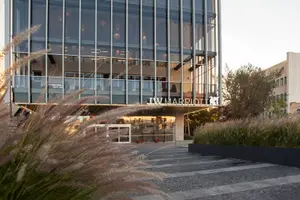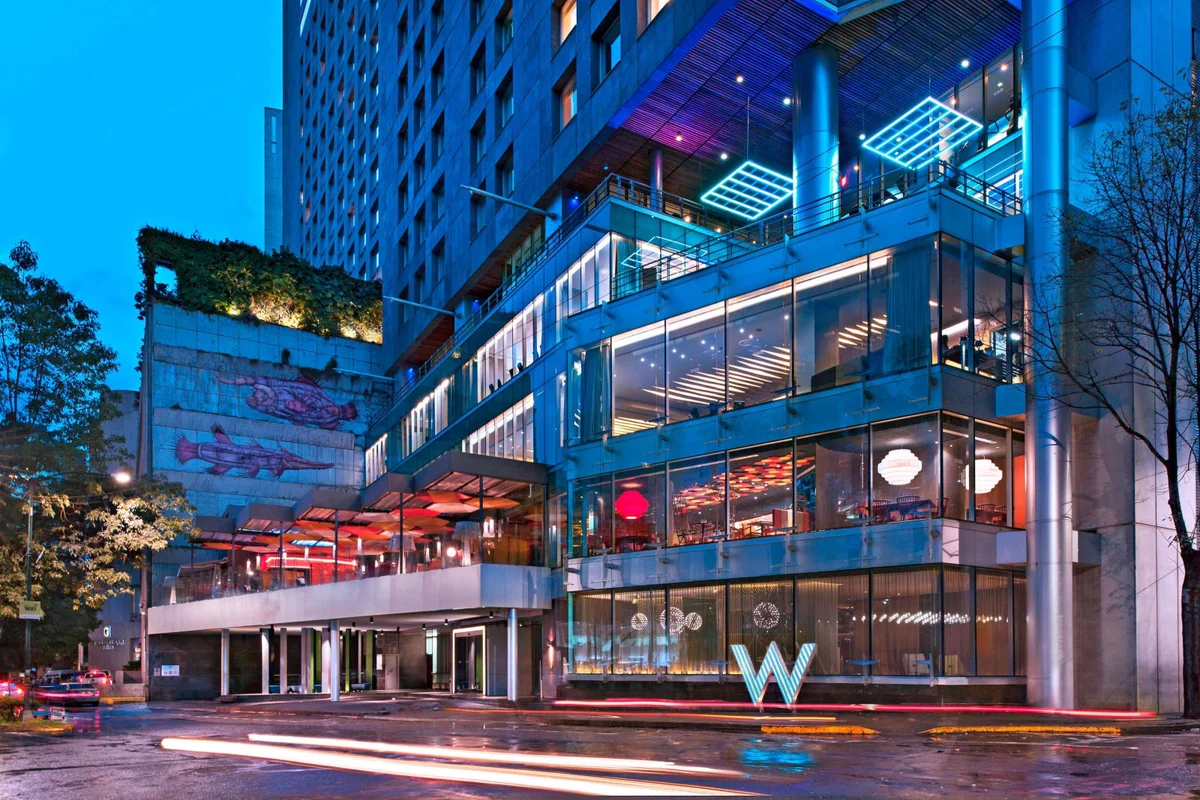
W Mexico City
When you book W Mexico City in Mexico through our Marriott Luminous partnership, your stay includes daily breakfast for two and a welcome amenity. You also receive a room upgrade, early check-in and late check-out when available. You continue earning Marriott Bonvoy points and elite night credits. No premium credit card or membership needed: request a quote and our advisor books it at the same rate as booking direct.
Exclusive Booking Perks
These perks are included with your stay at the same rate as booking direct with the hotel.
- Welcome amenity
- Complimentary breakfast daily for two guests per room
- Early check-in and late check-out (when available)
- Complimentary upgrade (if available at check-in)
Location
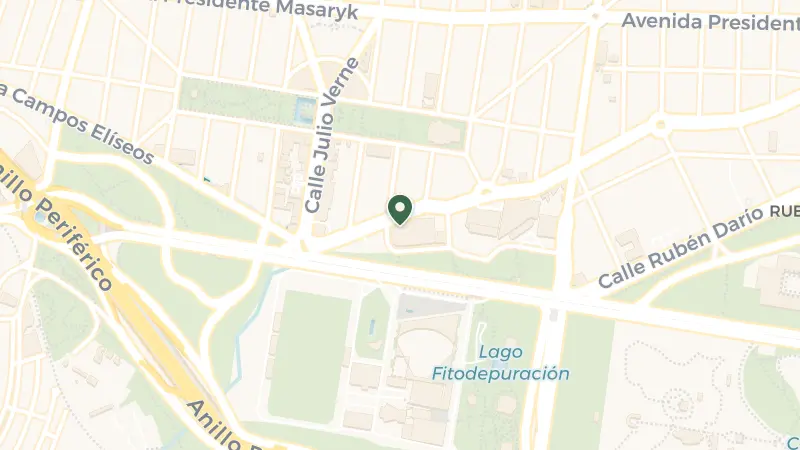
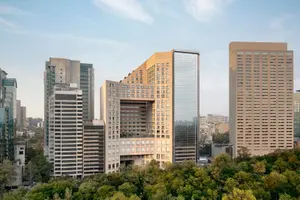
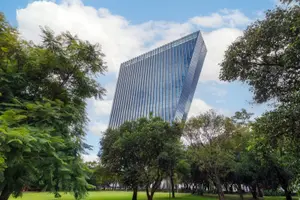
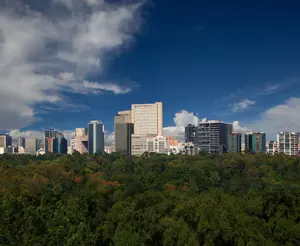
W Hotels brings its signature design-conscious energy to Polanco, the affluent neighbourhood where contemporary luxury meets Mexico City's cultural heartbeat. Bold interiors, mood lighting, and a social lobby set the tone for travellers drawn to nightlife and modern aesthetics over traditional formality. The property anchors a district known equally for its museums and its shopping, where glass towers have replaced the grand single-family homes that once lined these streets.
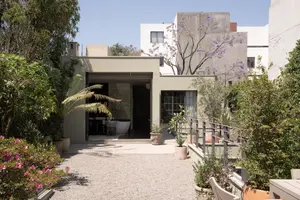
Polanco pulses with an urbane confidence. Presidente Masaryk Avenue, the country's most expensive retail strip, runs through the neighbourhood, its boutiques and galleries drawing an international crowd. Yet within walking distance, the Luis Barragán House and Studio stands as a quiet counterpoint: the architect's 1948 masterwork, now a UNESCO World Heritage site, offers a meditative study in light, colour, and emotional geometry. The Museo Polyforum Cultural Siqueiros, built in 1971, showcases David Alfaro Siqueiros's monumental murals. Beyond Polanco, the Historic Centre of Mexico City and the floating gardens of Xochimilco lie seven kilometres south, both inscribed in 1987 for their layered pre-Hispanic and colonial histories.
Mexico City's Benito Juárez International Airport sits thirteen kilometres east, reachable by taxi or the Metro's Line 5. The city sprawls across a high plateau at 2,240 metres, its altitude sharpening the light and lending the air a bracing clarity even on warm afternoons.
Two of the country's most celebrated tables stand within a ten-minute walk. Quintonil, named for an Oaxacan herb, holds two Michelin stars for Chef Jorge Vallejo's captivating contemporary Mexican cuisine; the dining room feels chic and approachable, far from stuffy despite its reputation. Book a table at Pujol, equally close, where Chef Enrique Olvera's two-starred modern Mexican menu has made this breezy, bustling space one of the nation's most famous addresses. For a more elusive experience, Esquina Común, two and a half kilometres away, offers one-starred creative Mexican cooking through reservations available only via Instagram direct message.
Chapultepec Castle, built in 1944 as a presidential residence atop a volcanic outcrop, now houses the National Museum of History; its terraces overlook the sprawling Bosque de Chapultepec, the city's green lung. The National Palace, rebuilt in 1951 on the Zócalo, displays Diego Rivera's sweeping murals depicting Mexico's tumultuous past. Start with the markets: Mercado de Granada, less than two kilometres away, offers a neighbourhood glimpse of produce, flowers, and street-side tacos, while Mercado Peña Manterola, just under three kilometres distant, doubles down on the sensory chaos of vendor calls and sizzling comals.
Winter, from December through February, brings the city's driest months and its coolest mornings, with temperatures ranging from seven to twenty-two degrees. The high-altitude light feels crisp and unyielding, ideal for wandering Polanco's wide avenues without the weight of humidity. Spring warms gradually, peaking in April and May before the rains arrive.
Summer, June through September, transforms the plateau into a thunderstorm theatre. Afternoon downpours wash the streets clean, then pass as quickly as they came, leaving the air electric and the jacarandas in full violet bloom. This is the greenest season, though you'll want an umbrella close at hand.
Autumn, October and November, sees rainfall taper off and temperatures settle into a mild, forgiving rhythm. The city celebrates Día de Muertos in early November, when marigold petals carpet altars and the scent of copal drifts through plazas. This is the most culturally resonant time to visit, when the capital's identity feels most legible.
Frequently Asked Questions

Quotes are personally reviewed by Natasha Hardy, founder of The Uncommon Traveller
5.0 rating · 8 Google reviewsThere is no fee or markup. The hotel pays our commission.
Request a Quote 26 Bib Gourmand