Xigera Safari Lodge
When you book Xigera Safari Lodge in Botswana through our Fora Rates partnership, your stay includes daily English breakfast for two and a $100 USD hotel credit per stay. You also receive a one-category room upgrade when available. No premium credit card or membership needed: request a quote and our advisor books it at the same rate as booking direct. Plus, for a limited time, a complimentary night is included with your stay.
Special Offer: Free night
+ Stay 4, Pay 3 + Offer only applicable when booking for a minimum of 4 nights + The offer is consecutive ie. Stay 8 / Pay 6 or Stay 12 / Pay 8, etc
Exclusive Booking Perks
These perks are included with your stay at the same rate as booking direct with the hotel.
- Welcome drink on arrival
- English Breakfast for two daily
- $100 USD Dinning credit per room, per stay
- One way transfer from or to LHR for Suite bookings of 3 or more nights or for Residences bookings of 5 or more nights
- Not combinable with any other offers or promotional rates
- Subject to availability
- Early check-in & late check-out
- Upgrade to the next room category
Location
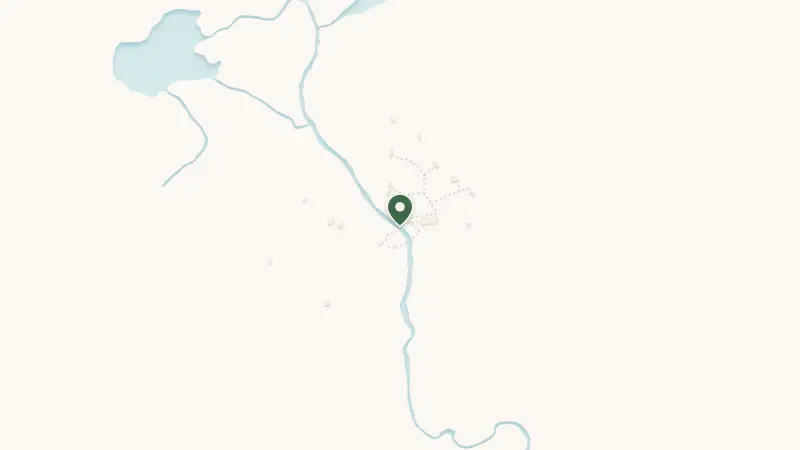
Xigera Safari Lodge sits within the Okavango Delta, a UNESCO World Heritage Site nineteen kilometres south where the waters of the Okavango River fan out across the Kalahari sands in a phenomenon found almost nowhere else on earth. This is one of the few major interior deltas that never reaches the sea, instead flooding seasonally across marshlands and plains to create an oasis in one of the world's most arid landscapes. The property occupies the NG/27A Pom Pom Concession, surrounded by wildlife management areas that stretch in every direction: Abu to the east, Jao to the southeast, channels and islands pulsing with the rhythm of water levels that dictate animal movement and the very shape of the land itself.
The delta's isolation defines the experience here. Botswana remains one of the most sparsely populated countries on the planet, a landlocked expanse bordered by Namibia, Zimbabwe, Zambia, and South Africa where approximately seventy percent of the terrain belongs to the Kalahari. The concession system limits lodge density, ensuring low guest numbers and a sense of profound remoteness. The air smells of water and papyrus, of red lechwe herds kicking up spray as they bound through the shallows, of elephant paths cutting through mopane woodland.
Maun International Airport lies ninety-five kilometres east, the gateway to the delta. Most guests arrive by light aircraft, descending over a patchwork of channels and islands that shift with the flood, landing on airstrips cut into the bush. The flight itself becomes the first game drive, reed beds and herds visible from above.
The delta demands engagement on its own terms. Mokoro excursions glide silently through papyrus-lined channels, poled by guides who read the water for hippo and crocodile, who can identify a sitatunga's hoof print in the mud of a submerged island. Game drives venture into the surrounding concessions where lion prides track buffalo herds, where leopard drape themselves over marula branches at dusk, where wild dog sightings (among the rarest in Africa) electrify the afternoon. Walking safaris place you on foot in elephant territory, close enough to hear the rumble of digestion, to smell the sweetness of overripe marula fruit fermenting on the ground. Night drives reveal a different delta: genet cats flickering through the beam, owls lifting from dead trees, porcupine shuffling through camp with quills rattling.
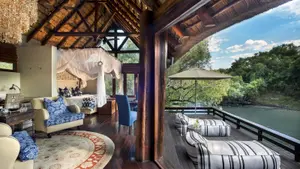
Book a walking safari at first light when the air still holds the night's coolness and the bush comes alive with francolins calling. Between activities, the property itself becomes a viewing platform: elephants wander past the main deck, red lechwe graze the floodplains visible from the pool, hornbills the size of small dogs perch on railings. The delta's remoteness means no Michelin-starred tables compete for attention; dining here focuses on pan-African cooking and bush feasts under the stars, the crackle of the fire and the distant cough of a leopard the only soundtrack required.
The delta's flood cycle shapes the seasons more than temperature alone. From May through September, the dry winter months bring crystalline skies and temperatures dipping to ten degrees at dawn, climbing to the mid-twenties by afternoon. This is peak game viewing: animals concentrate around shrinking water sources, predators follow, and the air holds no humidity to blur the light. Nights demand layers around the fire.
October through March brings the rains and rising heat, with temperatures soaring past thirty-five degrees in October before the first storms break. The summer rains (heaviest from December through February) transform the landscape, filling channels and turning dust to mud, though downpours tend to arrive as afternoon thunderstorms rather than all-day soaks. This is birthing season: impala lambs on wobbly legs, lion cubs emerging from dens, birdlife exploding in number and colour.
The flood itself arrives counterintuitively, peaking between June and August when the winter is driest. Waters from Angola's highlands take months to reach the delta, turning dry pans into lagoons and isolating islands. Come then for the strangeness of paddling through flood waters under a cloudless sky, the delta at its most paradoxical and alive.
Frequently Asked Questions

Quotes are personally reviewed by Natasha Hardy, founder of The Uncommon Traveller
5.0 rating · 8 Google reviewsThere is no fee or markup. The hotel pays our commission.
Request a Quote