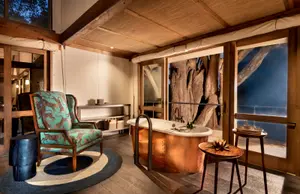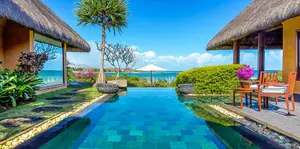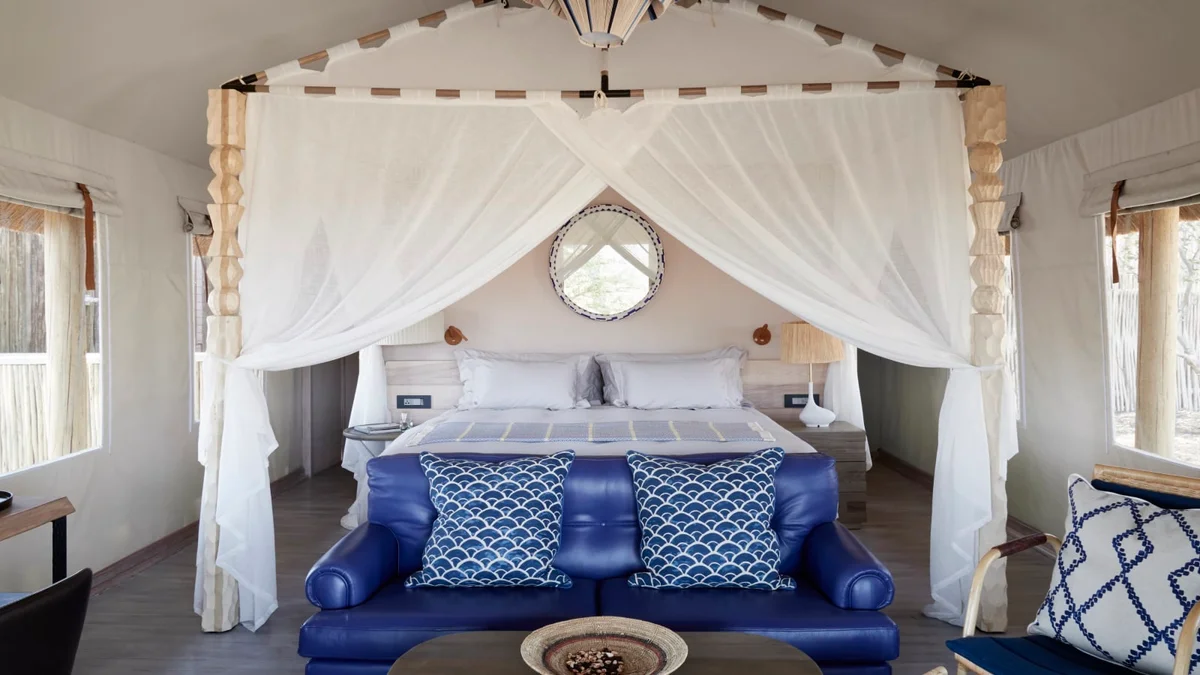
Belmond Safaris
When you book Belmond Safaris in Botswana through our Virtuoso partnership, your stay includes daily breakfast for up to two guests. You also receive early check-in and late check-out when available. No premium credit card or membership needed: request a quote and our advisor books it at the same rate as booking direct.
Special Offer
+ Book 6 Nights & Only Pay For 5 Includes all meals, local alcoholic beverages and safari activities
Exclusive Booking Perks
These perks are included with your stay at the same rate as booking direct with the hotel.
- Upgrade not applicable for this property
- Daily breakfast for up to two guests per bedroom, served in the restaurant (already included in property rates)
- Private dining experience for up to two guests once during stay, served on the balcony of your room or at a private location within the lodge (must have a minimum value of $100USD equivalent)
- Stays of 6+ nights will also receive a Wellness credit for 2 guests, once during their stay, applicable towards a 60-minute treatment
- Early Check-In / Late Check-Out, subject to availability
Location
Belmond brings its signature blend of cultural heritage and timeless adventure to Botswana, where luxury safari experiences unfold across one of Africa's most pristine wilderness landscapes. This is a country defined by its vast emptiness and ecological wealth: the Kalahari Desert stretches across seventy percent of the land, while to the north the Okavango Delta spreads its seasonal waters across permanent marshlands and flooded plains, a rare inland delta that never reaches the sea. The contrast is stark and mesmerizing.
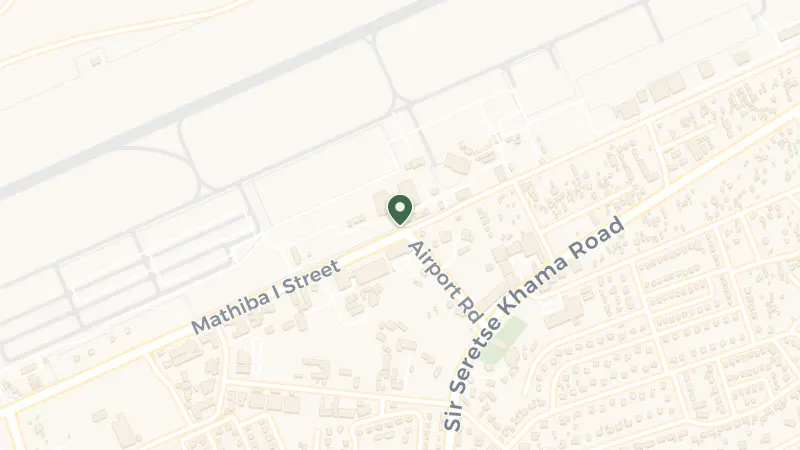
Maun serves as the gateway to this world, a frontier town where the settled lands of southern Africa dissolve into untamed bush. Light aircraft lift from Maun International Airport, one kilometre from the centre, ferrying travelers over baobab-dotted plains and winding waterways to remote camps where wildlife gathers in staggering concentrations. The NG/32 South East Okavango Community Concession lies roughly thirty kilometres north, a transitional zone where floodplains meet woodland.
Botswana's story is one of quiet resilience: a British protectorate until 1966, it has since maintained unbroken democratic governance and built a reputation as one of southern Africa's most stable nations. The Batswana people have inhabited these lands for over a millennium, and their careful stewardship shapes how wilderness is protected here. This is Africa at its most humbling scale, where human presence shrinks against horizons that seem to curve beyond sight.
The rhythm of days here revolves around game drives and water-based exploration, depending on the season and camp location. Mokoro excursions glide silently through papyrus-fringed channels, bringing you eye-level with crocodiles, elephants wading through shallows, and flocks of African fish eagles. Walking safaris offer a slower, more intimate encounter with the bush: the scent of crushed grass underfoot, the distant rumble of lion calls, the sudden stillness when a kudu pauses mid-browse. Private dining experiences unfold under impossibly bright stars, the Milky Way arcing overhead while bush babies chatter in the surrounding darkness.
The Okavango Delta itself, a UNESCO World Heritage Site roughly ninety-five kilometres northwest, represents the pinnacle of this ecosystem. Seasonal floods arrive between June and August, transforming arid landscapes into aquatic labyrinths where wildlife congregates in astonishing density. Book guided excursions during the flood months to witness this transformation firsthand. The surrounding Wildlife Management Areas, including the Ranns Concession forty-five kilometres distant, extend the wilderness buffer and ensure game populations move freely across vast territories. Every sighting here feels earned, not staged.
Summer arrives with the rains from November through March, when afternoon thunderheads build over the Kalahari and temperatures climb into the low thirties. The land turns green, migratory birds arrive in clouds of colour, and newborn animals take their first uncertain steps. Humidity rises, mosquitoes emerge, and the bush becomes lush but less predictable for game viewing.
Winter stretches from May through August, bringing crystalline skies and night temperatures that plunge near ten degrees. Vegetation thins, water sources shrink, and animals cluster around remaining pools, making this the peak season for concentrated wildlife sightings. Days warm to the mid-twenties under relentless sun.
The shoulder months of April and September offer balance: pleasant temperatures, diminishing rains, and fewer visitors. September heat builds toward the first rains, with October pushing past thirty-five degrees in a final, sweltering prelude to the wet season's relief.
Frequently Asked Questions

Quotes are personally reviewed by Natasha Hardy, founder of The Uncommon Traveller
5.0 rating · 8 Google reviewsThere is no fee or markup. The hotel pays our commission.
Request a Quote