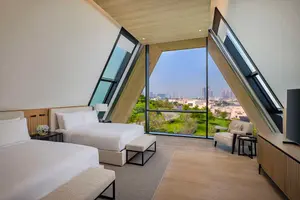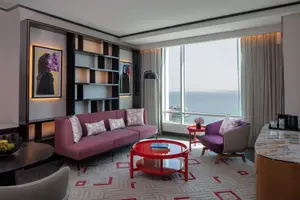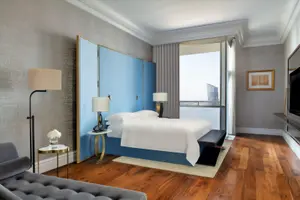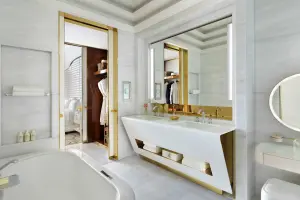
Abesq Doha Hotel & Residences
When you book Abesq Doha Hotel & Residences in Qatar through our IHG Destined partnership, your stay includes daily breakfast for two, a $100 USD hotel credit per stay and a welcome amenity. You also receive a room upgrade, early check-in and late check-out when available. No premium credit card or membership needed: request a quote and our advisor books it at the same rate as booking direct.
Exclusive Booking Perks
These perks are included with your stay at the same rate as booking direct with the hotel.
- $100 USD (or local currency equivalent) hotel credit per stay
- Daily complimentary breakfast for 2 guests (full or continental, depending on the hotel)
- Complimentary room upgrade (subject to availability)
- Local welcome amenity
- Early check-in / late check-out (subject to availability)
Location
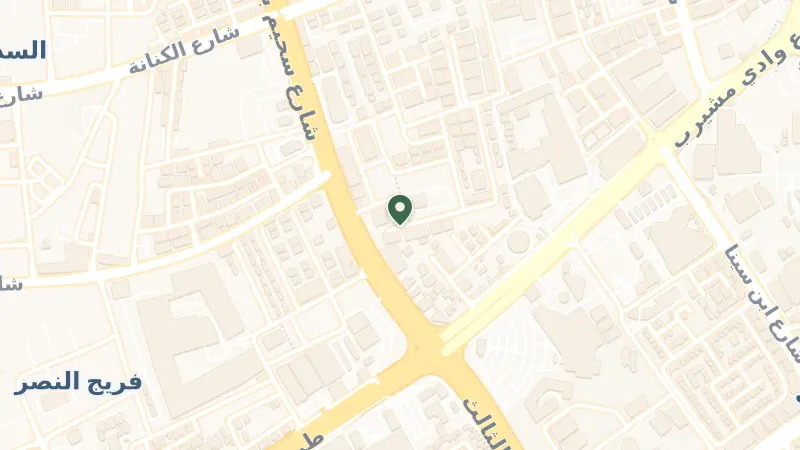
Fereej Bin Mahmoud sits in Doha's downtown core, where the capital's transformation from pearling village to gleaming financial hub is most legible. The neighbourhood pulses with commerce and residential life, apartment towers rising above storefronts where the daily rhythm of the city plays out in Arabic and a dozen other languages. C Ring Road and Salwa Road frame the district, their ceaseless traffic a reminder that this is a city built for speed and ambition.
Walk south and you reach Mushayrib, one of Doha's oldest quarters, where recent restoration work has salvaged fragments of pre-oil Qatar: courtyard houses with wind towers, narrow lanes that once led to the sea. Two and a half kilometres northeast, Souq Waqif sprawls in labyrinthine alleys, its spice vendors and falcon dealers anchoring a stretch of the corniche that feels closer to the Gulf's trading past. The bay itself curves along the city's eastern edge, its waterfront promenade offering views across to the Museum of Islamic Art, I.M. Pei's final commission rising from its own island.
Hamad International Airport lies ten kilometres southeast, a 15-minute drive through the capital's orderly grid. The journey north to the older Doha International Airport, now largely repurposed, takes half that time.
Souq Waqif, less than three kilometres from the property, is where Doha's culinary and commercial heritage remains most visible. Navigate its covered lanes past burlap sacks of Iranian saffron and Omani frankincense, then settle at one of the courtyard restaurants for machboos, the spiced rice dish that anchors Qatari home cooking, or harees, wheat and meat simmered to porridge consistency. The neighbouring Falcon Souq trades in hooded raptors, their talons gripping perches while trainers debate bloodlines.
For contemporary dining with global credentials, IDAM by Alain Ducasse commands the top floor of the Museum of Islamic Art, four kilometres away. The single Michelin star reflects French technique applied to Gulf produce, the bay glittering below through floor-to-ceiling glass. Book a table at Jamavar, five and a half kilometres distant in the Sheraton Grand, for regional Indian cooking that earned its own star: Kashmiri rogan josh, Goan prawn balchão, kulfi studded with pistachios. Alba, thirteen kilometres north in the Katara Towers at Raffles, brings northern Italian refinement and a focus on white truffles when the season allows.
Winter, from November through February, delivers Doha's most forgiving weather. Daytime temperatures hover in the low to mid-twenties Celsius, evenings cool enough for the corniche promenade and outdoor souq wandering. The light turns golden rather than white-hot, and the Gulf breeze carries relief instead of humidity.
Spring and autumn bracket the extremes: March and April see temperatures climbing past thirty, while October and November reverse the arc. These shoulder months offer warmth without the punishing intensity of summer, though March can bring brief, surprising rain.
Summer, from May through September, is a test of will. Temperatures push past forty degrees, the air thick with moisture drawn from the Gulf. The city retreats indoors, its malls and museums offering refuge. Visit during these months only if heat is a personal non-issue or if your time is dictated by other commitments.
Frequently Asked Questions

Quotes are personally reviewed by Natasha Hardy, founder of The Uncommon Traveller
5.0 rating · 8 Google reviewsThere is no fee or markup. The hotel pays our commission.
Request a Quote 8 Bib Gourmand