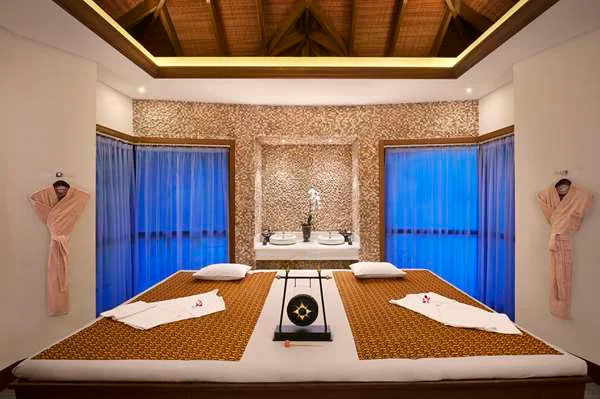
Banana Island Resort Doha By Anantara
When you book Banana Island Resort Doha By Anantara in Qatar through our Anantara Journeys partnership, your stay includes welcome amenities. You also receive a room upgrade when available. No premium credit card or membership needed: request a quote and our advisor books it at the same rate as booking direct.
Exclusive Booking Perks
These perks are included with your stay at the same rate as booking direct with the hotel.
- Unique local experience at each hotel
- 24-hour check-in & check-out (upon availability)
- Destination-specific gift in the room
- VIP status and welcome amenities
- No walk-out policy (except the cases of hotel buyout)
- Upgrade upon arrival (upon availability)
- Dedicated contact person at each property
Guest feedback
9.4/10 from 2,543 guest reviews
By category
Guests liked
- Staff friendliness
- Beautiful location
Points to consider
- Poor cleanliness
- Failing service expectations
Location
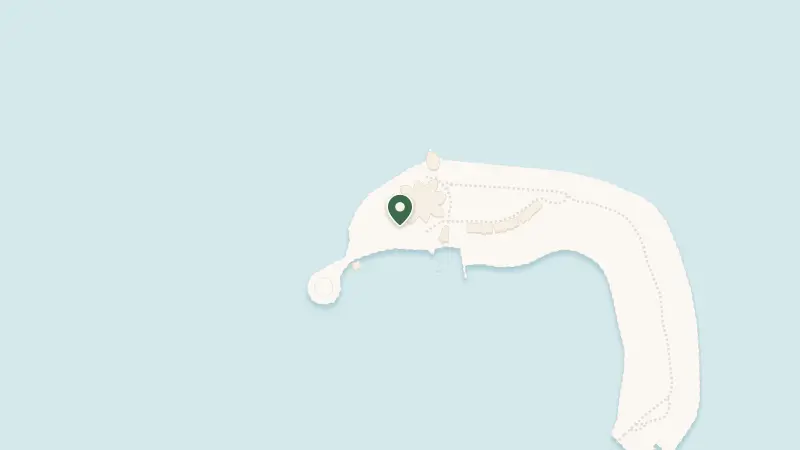
Anantara's name means "without end" in Sanskrit, a promise of immersive cultural depth that unfolds at this island resort in the Persian Gulf. The property occupies Banana Island, a crescent of reclaimed land just four kilometres from Hamad International Airport, reached by a short ferry crossing that cuts through the turquoise waters separating the resort from Doha's glittering skyline. The effect is immediate: the hum of the city fades, replaced by the slap of waves against the pier and the rustle of palm fronds in the Gulf breeze.
Doha itself sprawls along the eastern coast of Qatar, a city that erupted from pearling-town roots in the 1820s into one of the Middle East's most dynamic financial hubs. Over eighty per cent of the nation's population lives within the metropolitan area, a concentration that has turned the capital into a showcase of ambition: the Museum of Islamic Art's geometric silhouette rising from the Corniche, the twin peaks of Katara Towers punctuating the northern skyline, the sinewy roads connecting Education City's research campuses to the medical and sports complexes of Aspire Zone. The energy is palpable, a city still defining itself.
The island's isolation makes it an outlier in this density. The ferry delivers you to a private enclave where the sounds shift to birdsong and the soft clatter of poolside service, the mainland visible but psychologically distant. The airport's proximity means seamless arrivals, but once the boat leaves the dock, the pace belongs entirely to the island.
The resort's position means dining experiences range from on-property venues to Michelin-starred tables across the water. IDAM by Alain Ducasse sits on the top floor of the Museum of Islamic Art ten kilometres away, the French contemporary menu matched by panoramic views over the bay. Closer still, Jamavar at the Sheraton Grand Hotel offers intricate Indian dishes inspired by the embroidered shawls of Kashmir. For a more ambitious evening, book a table at Alba, fifteen kilometres north in the Katara Towers, where vaulted ceilings and northern Italian technique frame truffle-forward dishes. The hotel's own dining venues embrace Anantara's culinary philosophy, with cooking schools that delve into regional flavours and spice profiles.
Beyond the table, Souq Waqif anchors Doha's heritage quarter eleven kilometres from the ferry terminal. The rebuilt market retains its labyrinthine character: narrow alleys lined with vendors selling spices, oud, falcons perched on leather gauntlets at the Falcon Souq. Start early before the heat thickens. The island itself offers watersports from Pier 51 nearby, while Katara Beach thirteen kilometres north provides a quieter stretch of sand. Don't miss the Museum of Islamic Art's collection, which traces fifteen centuries of artistry from Spain to Central Asia, the building as arresting as its holdings.
Winter, from November through March, delivers Doha's gentlest weather. Temperatures hover in the low twenties, the light bright and forgiving, the evenings cool enough for rooftop dining. The souqs breathe easier in this season, the streets thick with locals reclaiming outdoor life after the summer retreat. This is the window for exploring the city's pedestrian-hostile sprawl without wilting.
Summer, May through September, is relentless. Temperatures climb above forty degrees, the air viscous with humidity drawn from the Gulf. The city empties into air-conditioned malls and hotel pools; the island's beaches become the only viable escape. Rain is almost mythical, with the entire year yielding barely more than scattered showers.
Spring and autumn offer brief transitions, April and October bridging the extremes with temperatures in the low thirties. The light turns golden, softening the city's angular architecture, and the pace quickens as residents emerge from their seasonal hibernation. Travel during these shoulder months balances comfort with fewer crowds at cultural sites.
Frequently Asked Questions

Quotes are personally reviewed by Natasha Hardy, founder of The Uncommon Traveller
5.0 rating · 8 Google reviewsThere is no fee or markup. The hotel pays our commission.
Request a Quote 8 Bib Gourmand