Fairmont Doha
When you book Fairmont Doha in Qatar through our Virtuoso partnership, your stay includes daily buffet breakfast for up to two guests and a $100 USD resort or hotel credit. You also receive a room upgrade, early check-in and late check-out when available. You continue earning ALL Accor points and elite night credits. No premium credit card or membership needed: request a quote and our advisor books it at the same rate as booking direct.
Exclusive Booking Perks
These perks are included with your stay at the same rate as booking direct with the hotel.
- Upgrade on arrival, subject to availability
- Daily Buffet breakfast for up to two guests per bedroom, served in the restaurant
- $100 USD equivalent Resort or Hotel credit to be utilized during stay (not combinable, not valid on room rate, no cash value if not redeemed in full)
- Early Check-In / Late Check-Out, subject to availability
Guest feedback
9.4/10 from 3,022 guest reviews
By category
Guests liked
- Friendly staff
- Exceptional facilities
- Beautiful location
Points to consider
- Sewer smell in toilet
- Poor communication on services
- Chaotic breakfast service
Location
Fairmont operates landmark properties in major cities and resort destinations, many of which carry a sense of legacy and architectural significance. The brand is recognised for large-format hotels with extensive event spaces, multiple dining outlets, and established reputations that anchor their locales.
Doha rises from the Persian Gulf coast in a blur of glass towers and cranes, a city that has vaulted from pearling port to global financial hub in a single generation. Founded in the 1820s as an offshoot of the settlement of Al Bidda, it was declared Qatar's capital in 1971 at independence. Today, over eighty percent of the nation's population live within the Doha Metropolitan Area, a sprawl that encompasses Education City's research campuses, the medical complexes of Hamad Medical City, and the stadiums and aquatic centres of Aspire Zone. The city hums with ambition: a beta-plus world city on the Globalization and World Cities Research Network scale, host to ministerial meetings and international sporting events, yet still shaped by the rhythms of the Gulf, the call to prayer echoing across corniche promenades.
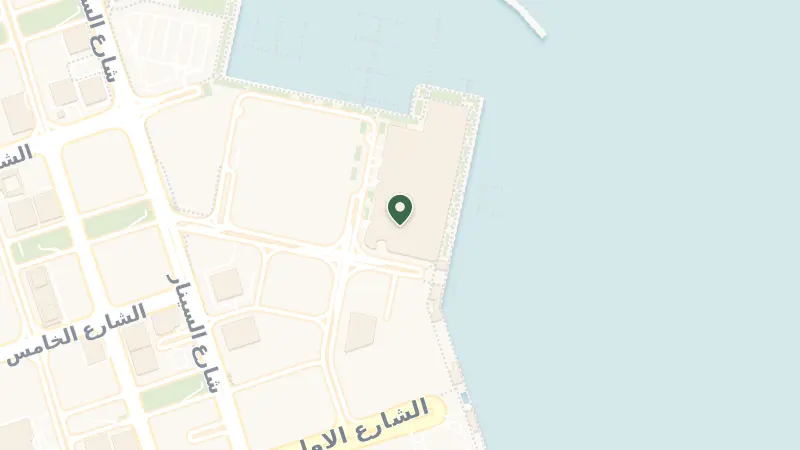
The property sits on the West Bay coastline, where the Persian Gulf laps against reclaimed shores. Doha Golf Club lies just over two kilometres away, its greens a rare patch of engineered verdancy. The Katara Cultural Village, three kilometres north, gathers amphitheatres, galleries, and the beachfront that draws weekend crowds. Hamad International Airport is fifteen kilometres distant, a swift drive along highways that stripe the desert.
Within walking distance, Alba claims a Michelin star for its Italian cooking, named after the Piedmontese town famed for truffles and found on the first floor of the Raffles within the eye-catching Katara Towers. The vaulted ceiling and Italian-themed décor lend the dining room an intimate character. Book a table at Jamavar, nearly eight kilometres south inside the Sheraton Grand, where the intricate 16th-century shawls of Kashmir inspire both the name and the mix of modern and traditional elements; the restaurant holds one Michelin star for its Indian menu. Ten kilometres away, IDAM by Alain Ducasse crowns the Museum of Islamic Art, offering French contemporary cuisine and views over the bay that rival the museum's collection below; it, too, holds a star.
Katara Beach stretches along the cultural village shoreline, a strip of sand where families gather at dusk. The marina district at Costa Malaz, just over two kilometres distant, offers yacht berths and waterfront promenades. For a longer excursion, Al Zubarah Archaeological Site, eighty-three kilometres northwest, preserves the ruins of an 18th-century pearling and trading town, a UNESCO-listed reminder of the Gulf's pre-oil economy before its destruction in 1811. Doha Golf Club's eighteen holes and Education City Golf Club, fourteen kilometres west, provide respite from the city's vertical sprawl.
Winter, from November through March, is Doha's reprieve: temperatures range from the low teens to the mid-twenties Celsius, and the light softens to a pale gold over the Gulf. The air is dry, the occasional rain shower in March a brief interruption. Evenings cool enough for corniche walks, the city's outdoor terraces fill.
Summer arrives in May and holds through September, relentless and white-hot. Temperatures climb past forty degrees, the air shimmering above asphalt, the Gulf offering little relief. Most retreat indoors by mid-morning, air conditioning a necessity rather than a comfort. The streets empty until dusk.
April and October mark the transitions: still warm, climbing into the low thirties, but without summer's punishing edge. The best months to visit are November through early April, when the heat relents and the city opens to the outdoors.
Frequently Asked Questions

Quotes are personally reviewed by Natasha Hardy, founder of The Uncommon Traveller
5.0 rating · 8 Google reviewsThere is no fee or markup. The hotel pays our commission.
Request a Quote 8 Bib Gourmand