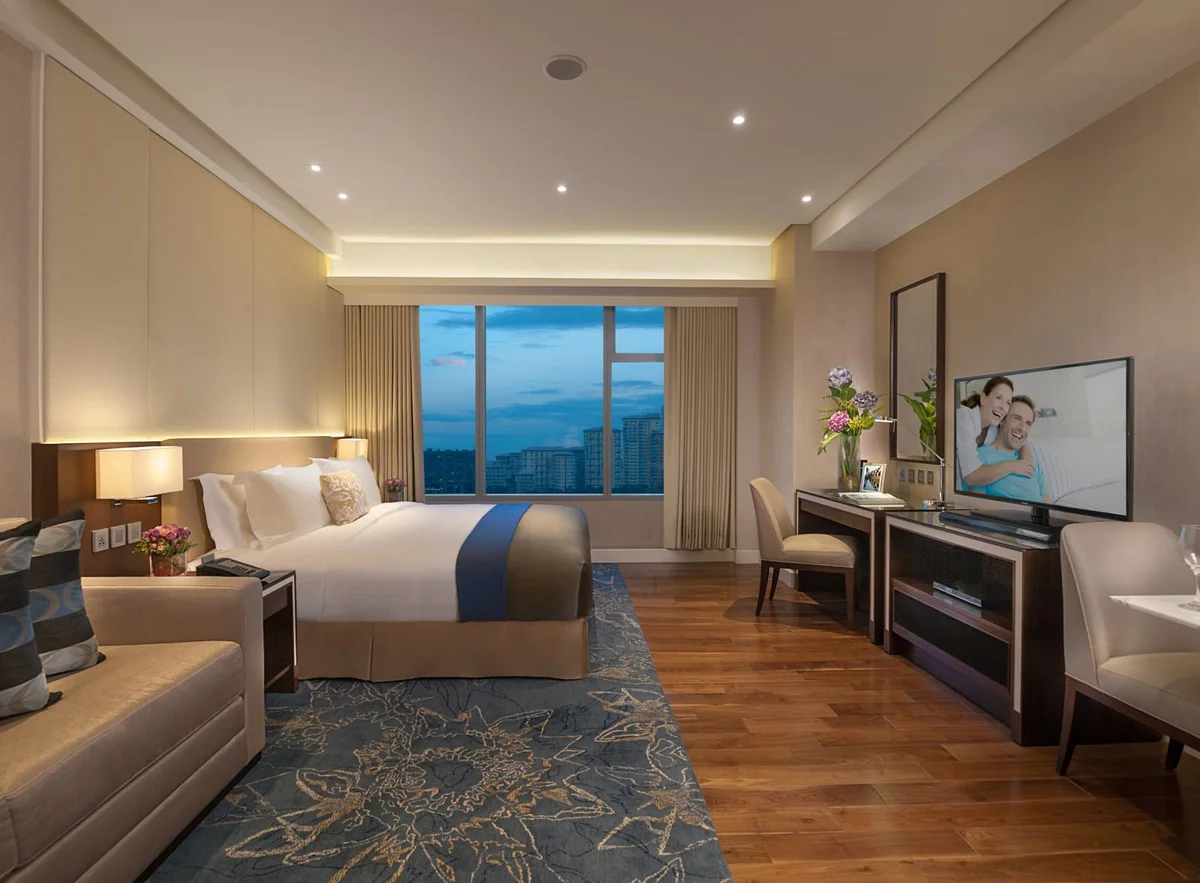
Ascott Bonifacio Global City Manila
When you book Ascott Bonifacio Global City Manila in the Philippines through our Fora Rates partnership, your stay includes breakfast for two and welcome amenities. You also receive a room upgrade and early check-in when available. No premium credit card or membership needed: request a quote and our advisor books it at the same rate as booking direct.
Exclusive Booking Perks
These perks are included with your stay at the same rate as booking direct with the hotel.
- Complimentary breakfast for 2 persons
- Welcome amenities such as local delights and tea-set
- Complimentary room upgrade (subject to availability)
- Early check in (subject to availability)
- Guaranteed late check out at 2pm
- Complimentary cocktails for 2 at the Pool Bar
- 10% discount on Food & Beverage
Location
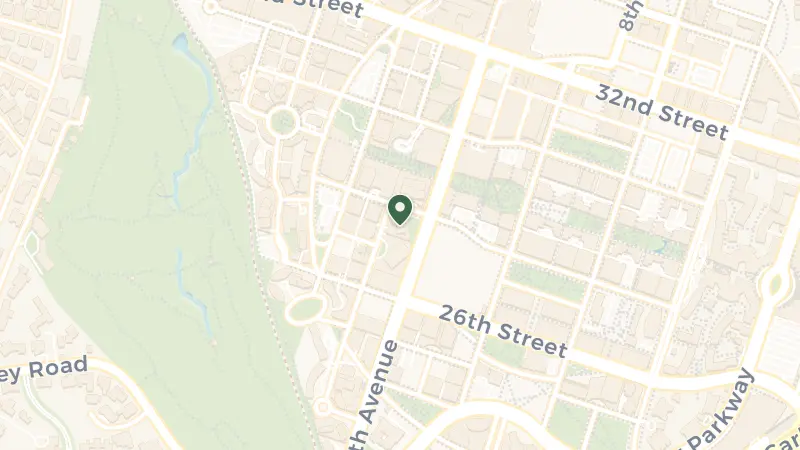
Bonifacio Global City rises where Fort William McKinley once stood, its grid of wide boulevards and glass towers now claiming what was a US military reservation until the 1990s. The neighbourhood feels engineered for pedestrians, a rarity in sprawling Metro Manila: tree-lined sidewalks connect low-rise malls, open-air plazas, and residential blocks where expatriates and young professionals overlap. The property sits within this planned district, where the hum of construction and commerce mixes with the scent of street-side barbecue and the sudden green of pocket parks. Five kilometres southwest, Intramuros preserves the walled colonial heart of Spanish Manila, its churches and cobblestones remnants of the city that anchored the first trade route to circle the globe.
Manila's story begins with Maynila, a Tagalog polity fortified along the Pasig River before Spanish conquistadors rebuilt it in stone after 1571. For three centuries, galleons sailed from here to Acapulco, stitching Asia to the Americas and making Manila one of the world's first global cities. That layered past lives on in Baroque churches, in the tangle of Quiapo's markets, in the cadence of Tagalog and English trading places mid-sentence.
Ninoy Aquino International Airport lies five kilometres southwest. Taxis and ride-hailing apps navigate the city's dense traffic; allow ample time for transfers during peak hours.
Helm, two and a half kilometres away, holds two Michelin stars for its half-British, half-Filipino approach. Chef Josh Boutwood's themed seasonal menus shift from street food homages to film-inspired surprises, each iteration refined yet unpredictable. Closer in, Gallery by Chele at 1.4 kilometres merges environmental integrity with creative cuisine, sourcing locally and educating diners through the plate. Book a table at Hapag, 1.9 kilometres from the property, where young chefs reimagine Filipino traditions. The name means "family table" in Tagalog, and the cooking honours that: sophisticated renditions of adobo, sinigang, kinilaw, built on exceptional local ingredients. Markets pepper the surrounding neighbourhoods. Ensogo Philippines lies 600 metres away; farther afield, Guadalupe Nuevo Wet & Dry Market at 1.7 kilometres offers morning commerce in guava, calamansi, milkfish, and chicken under corrugated roofs.
The Baroque Churches of the Philippines, a UNESCO World Heritage inscription covering four Spanish colonial churches built from the late 16th century onward, includes examples nine kilometres from BGC. Their earthquake-resistant architecture and ornate interiors reflect a distinctly Filipino reinterpretation of European baroque. The Manila Yacht Club, 6.9 kilometres west on Manila Bay, provides a glimpse of the city's waterfront leisure culture, while Hinulugang Taktak, a waterfall 13.9 kilometres northeast in Rizal province, offers an escape into cooler, forested terrain.
December through February brings the coolest, driest months, with morning temperatures around twenty-three degrees and afternoons climbing to twenty-nine. The air feels breathable, the light sharp, and the city moves at its steadiest pace. Streets fill earlier, markets bustle before noon, and open-air dining becomes reliably pleasant after dark.
March and April turn hotter, peaking above thirty-three degrees, the sky whitening with haze before the first rains arrive. May ushers in the southwest monsoon, and by June the city is soaked: afternoon downpours drum on awnings, traffic stalls, humidity thickens. July and August see the heaviest rainfall, though mornings often start clear before clouds gather.
October begins the gradual drying, with November offering a reprieve before the year-end cool season returns. Visit between November and February for the most forgiving weather and the clearest skies over Manila Bay.
Frequently Asked Questions

Quotes are personally reviewed by Natasha Hardy, founder of The Uncommon Traveller
5.0 rating · 8 Google reviewsThere is no fee or markup. The hotel pays our commission.
Request a Quote 19 Bib Gourmand