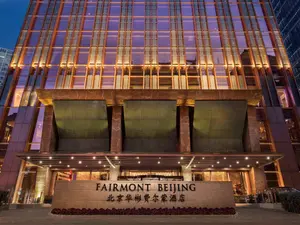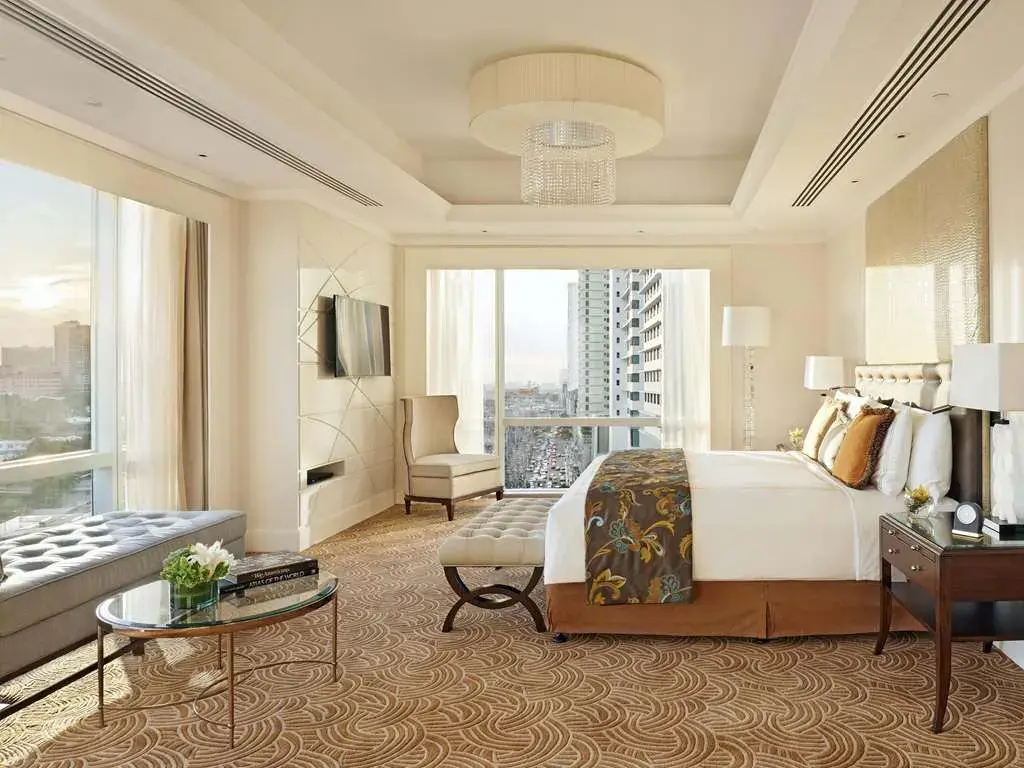
Fairmont Makati
When you book Fairmont Makati in the Philippines through our Accor Hera partnership, your stay includes daily breakfast for two and a hotel credit of USD 100. You also receive a room upgrade, early check-in and late check-out when available. You continue earning ALL Accor points and elite night credits. No premium credit card or membership needed: request a quote and our advisor books it at the same rate as booking direct.
Exclusive Booking Perks
These perks are included with your stay at the same rate as booking direct with the hotel.
- Daily complimentary breakfast for 2, per room
- VIP Welcome
- USD 100 credit to be spent on property (conditions defined at check-in)
- Early check-in & late check-out (upon availability)
- Upgrade at time of check-in (upon availability)
Guest feedback
9.2/10 from 911 guest reviews
By category
Guests liked
- Excellent service
- Great location
Points to consider
- Old carpet smell
Location

Fairmont carries a tradition of landmark properties in cities that matter, hotels with architectural presence and a sense of established permanence. The brand is built on large-format hospitality: multiple dining venues, event spaces that shape a city's social calendar, and the kind of name recognition that makes them anchors in their neighbourhoods.
Makati rises from the flatlands of Metro Manila as the financial and diplomatic heart of the Philippines, a city of vertical ambition where 432 high-rises puncture the skyline. This is where embassies cluster, where the daytime population swells to more than four million as workers pour into the central business district, and where the peso circulates faster than anywhere else in the country. The Ayala Center district hums with commerce and culture: art galleries, international brands, and weekend markets that draw crowds from across the capital region. Despite its compact 18 square kilometres, Makati feels expansive, its energy pushing outward in every direction. The city's roots stretch to 1670, but its present is relentlessly modern, a forest of glass and steel that glows amber after dark.
Ninoy Aquino International Airport sits five kilometres southwest, a 20-minute drive through Manila's famously dense traffic, longer during morning and evening peaks when the city grinds to a crawl.
On-site dining at Mirèio brings Provençal France to the Manila skyline, candlelit tables overlooking the glittering city, its name borrowed from a Frédéric Mistral poem. For serious culinary ambition, head to Helm, 800 metres away, where two Michelin stars recognize a half-British, half-Filipino chef's creativity and precision. The themed seasonal menus shift from street food to film-inspired surprises, always evolving, always refined. Book a table well in advance. Kása Palma, two kilometres south, holds one star for its inventive Filipino and contemporary cooking, where Chef Isip draws on French technique and Latin American influences, making generous use of wood fire in a tranquil space lined with shells and straw lamps.
Saturday mornings belong to Salcedo Market, one kilometre away, where stalls overflow with organic produce, artisanal breads, and grilled skewers of pork barbecue. Legazpi Sunday Market, 600 metres closer, offers a similar feast. Seven kilometres north, the Baroque Churches of the Philippines, a UNESCO World Heritage Site inscribed in 1993, showcase Spanish colonial architecture from the late 16th century, reinterpreted through Filipino hands. Marina access at Manila Yacht Club, 4.5 kilometres distant, opens onto Manila Bay's wide grey waters.
February through April offers the driest stretch, when the heat climbs above 30°C and the air carries a dusty stillness. Streets fill with the chatter of outdoor café tables, and the sky holds a pale, bleached quality that softens only at dusk. This is when Metro Manila breathes easiest, before the rains arrive.
The monsoon sweeps in from June through September, peak months when afternoon downpours hammer the pavement and the city slows under sheets of grey water. August sees the heaviest rainfall, streets flooding in low-lying areas, umbrellas useless against the horizontal assault. The air stays warm, humidity clinging to skin, but the storms bring a certain drama to the skyline.
December and January bring cooler nights, temperatures dropping to 23°C, a relative reprieve that locals consider winter. The city takes on a festive rhythm, Christmas lights strung across shopping districts, the air just dry enough to make walking pleasant after sunset.
Frequently Asked Questions

Quotes are personally reviewed by Natasha Hardy, founder of The Uncommon Traveller
5.0 rating · 8 Google reviewsThere is no fee or markup. The hotel pays our commission.
Request a Quote 19 Bib Gourmand