Bhutan Spirit Sanctuary
When you book Bhutan Spirit Sanctuary through our withIN by SLH partnership, your stay includes daily continental breakfast for two and a hotel credit of $50-$100 USD per stay. You also receive a one-category room upgrade and early check-in when available. No premium credit card or membership needed: request a quote and our advisor books it at the same rate as booking direct.
Exclusive Booking Perks
These perks are included with your stay at the same rate as booking direct with the hotel.
- A credit worth $50-$100 (USD) per room, per stay to be spent only on extras such as F&B or Spa, only on property and during the stay
- Daily Continental breakfast for two people
- Room upgrade to next room category, subject to availability at the time of check-in
- Early check-in, subject to availability at the time of check-in
- Late check-out, subject to availability
Location
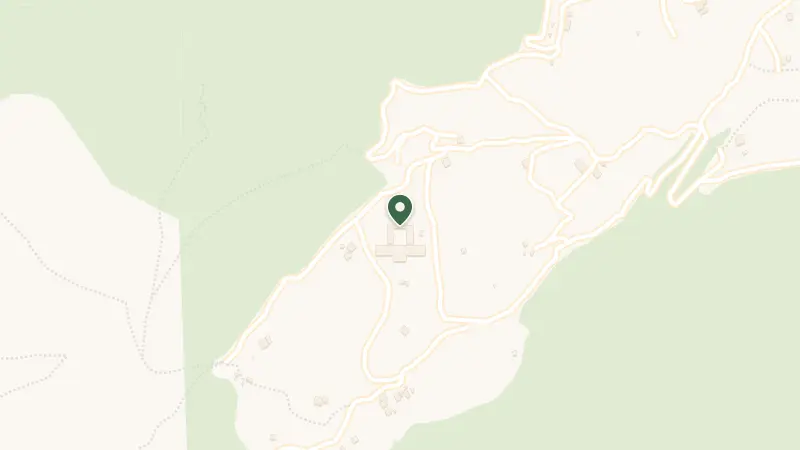
Bhutan Spirit Sanctuary occupies a forested hillside in the Paro Valley, where prayer flags flutter above terraced rice paddies and dzongs (fortress monasteries) rise from valley floors like carved stone sentinels. The air here smells of wood smoke and juniper incense. You arrive via Paro International Airport, five kilometres distant, where the descent between Himalayan peaks is so narrow that only a handful of pilots worldwide hold clearance to land. The valley itself hums with spiritual purpose: monks in maroon robes walk gravel paths, butter lamps flicker in roadside shrines, and the architecture follows strict Buddhist principles, every building painted white with carved wooden eaves in ochre and red.
The Kingdom of Bhutan measures development not in GDP but in Gross National Happiness, a philosophy woven into daily life. Thimphu, the capital, lies eastward, but Paro remains the cultural heart. Zhabdrung Ngawang Namgyal unified these valleys in the sixteenth century, and Vajrayana Buddhism still shapes every aspect of existence, from the Je Khenpo's authority to the fortress temples that command hilltops across the kingdom.
This is the Eastern Himalayas at their most intact: peaks above seven thousand metres to the north, subtropical plains to the south, and in between, a kingdom that has never been colonized, never lost its language or dress code, and charges visitors a sustainable development fee to preserve what remains.
Paro Kaja Throm market, seven kilometres away, spreads across open-air stalls where vendors sell dried yak cheese, red rice, and ema datshi (chilli and cheese curry) ingredients under corrugated roofs. The rhythm here follows local agriculture: spring brings wild mushrooms, autumn brings buckwheat. Closer to the property, Canteen sits just over two kilometres distant, though the sanctuary's elevation and the valley's contemplative pace make this a destination for lingering rather than rushing. For traditional hot stone baths, Dawa Zam Hot Stone Bath operates sixteen kilometres away, where river-smoothed stones are heated in open fires then dropped into wooden tubs filled with artemisia-infused water, a practice Bhutanese farmers have used for centuries to soothe aching muscles.
Book a trek to Taktsang Palphug (Tiger's Nest Monastery), clinging to a cliffside three thousand metres up the valley. The hike takes three hours through blue pine forests and past shrines built where Guru Rinpoche is said to have meditated in the eighth century. Royal Thimphu Golf Club, nearly twenty kilometres east, offers an unlikely alpine course where yaks occasionally wander the fairways. Jigme Dorji National Park extends sixty-four kilometres northward, protecting snow leopards, takin, and red pandas across glacial valleys that remain roadless and barely mapped.
Winter (December through February) brings crystalline light and high-altitude cold, with temperatures dipping to two degrees at night. The valley feels sharp-edged, smoke rising straight from farmhouse chimneys, prayer flags frozen stiff against blue skies. Dzongs gleam white against brown hillsides, and the lack of rain makes trekking trails firm underfoot.
Monsoon arrives in June and holds through August, dumping over half a metre of rain monthly. The valley turns electric green, waterfalls appear overnight, and clouds roll through forests like living things. This is when Bhutan feels most primordial, though trails become muddy and leeches proliferate. September and October offer the ideal window: skies clear, temperatures moderate to twenty degrees, and autumn festivals fill dzong courtyards with costumed dances and horns echoing off stone walls.
Spring (March through May) sees rhododendrons blooming across hillsides in crimson and white, though April and May bring heavy rainfall. November rewards visitors with harvest season clarity, cool mornings, and the kingdom's agricultural calendar winding down before winter's quiet descends.
Frequently Asked Questions

Quotes are personally reviewed by Natasha Hardy, founder of The Uncommon Traveller
5.0 rating · 8 Google reviewsThere is no fee or markup. The hotel pays our commission.
Request a Quote