COMO Uma Paro
When you book COMO Uma Paro in Bhutan through our Virtuoso partnership, your stay includes daily breakfast for up to two guests. You also receive a room upgrade, early check-in and late check-out when available. No premium credit card or membership needed: request a quote and our advisor books it at the same rate as booking direct.
Exclusive Booking Perks
These perks are included with your stay at the same rate as booking direct with the hotel.
- Upgrade on arrival, subject to availability
- Daily breakfast for up to two guests per bedroom, served in the restaurant (already included in property rates)
- For stays of 1-3 nights: Complimentary luncheon for up to two guests, once during stay
- For stays of 4 or more nights: COMO Shambhala Massage for up to two guests, once during stay (not to be combined with luncheon)
- For stays of 3 of more nights in a Villa Booking: Bhutanese Hot Stone Bath treatment for up to two guests, once during stay (30 min bath plus a 1 hour treatment, not to be combined with luncheon)
- Early Check-In / Late Check-Out, subject to availability
Location
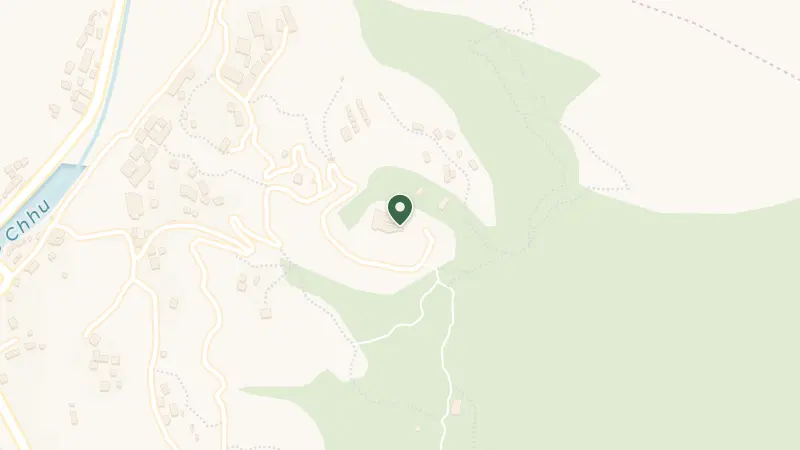
COMO Hotels and Resorts brings its holistic vision of wellness and considered design to Bhutan's Paro Valley, a landscape where terraced rice paddies climb hillsides beneath the Eastern Himalayas and prayer flags flutter at elevations that make the light feel thin and crystalline. The property channels the brand's Singapore-rooted philosophy of farm-to-table dining and integrated COMO Shambhala programming, adapted here to a kingdom where Vajrayana Buddhism shapes daily rhythms and architectural heritage dates to the unification of the valleys under Zhabdrung Ngawang Namgyal in the sixteenth century.
Paro itself sits at the confluence of tradition and accessibility, its valley floor just a kilometre from Bhutan's only international airport yet steeped in the rituals of a place where the Je Khenpo still presides over state religious affairs. Walk two kilometres and you reach Paro Kaja Throm market, where vendors sell doma (betel nut) and ema datshi ingredients. The town's dzong fortresses and painted wooden shopfronts give way to mountain trails that thread through blue pine forests, the air scented with juniper smoke from monastery hearths.
Paro International Airport's proximity makes arrival swift, though the flight path over ridgelines and into the narrow valley corridor remains one of the world's more dramatic approaches. Thimphu, the capital, lies an hour's drive to the east.
The property's wellness programming reflects COMO Shambhala's integration of Eastern healing traditions with spa therapies, but step beyond the grounds and Paro rewards with layers of cultural immersion. Hot stone baths are a Bhutanese ritual rather than a spa novelty; fourteen kilometres from the hotel, traditional dotsho bathhouses heat river stones over wood fires before submerging them in timber tubs infused with artemisia and juniper. The hiss of water meeting stone and the mineral scent are part of the kingdom's domestic wellness culture, practiced for centuries before any luxury brand arrived.
Book a morning at Paro Kaja Throm market to watch farmers unload turnips and red rice from woven baskets, or climb four kilometres to the canteen near Taktsang Palphug Monastery (Tiger's Nest), the clifftop temple complex where Guru Rinpoche is said to have meditated in the eighth century. The two-hour ascent winds through rhododendron groves and past chorten shrines. Farther afield, Jigme Dorji National Park stretches across glacial valleys sixty-three kilometres northwest, habitat for takin and snow leopards at altitudes above four thousand metres.
Paro's winters are sharp and crystalline, with January highs reaching only eleven degrees and mornings dusted with frost. The valley's Buddhist monasteries conduct their masked dances and festivals during these months, and the sky holds a hard, clean blue that makes the Himalayas feel close enough to touch.
Spring thaw arrives in March, bringing warmer air and the first blossoms on wild cherry and magnolia. By May, pre-monsoon heat softens the valley and precipitation climbs, greening the terraces. June through August ushers in the southwest monsoon, when morning mists cling to hillsides and afternoon rain drums on corrugated roofs.
Autumn is Bhutan's signature season. September and October offer temperate days, clear mountain views, and the timing of the kingdom's most vibrant tsechus (religious festivals). November cools quickly, but the light remains brilliant and the trails dry underfoot.
Frequently Asked Questions

Quotes are personally reviewed by Natasha Hardy, founder of The Uncommon Traveller
5.0 rating · 8 Google reviewsThere is no fee or markup. The hotel pays our commission.
Request a Quote