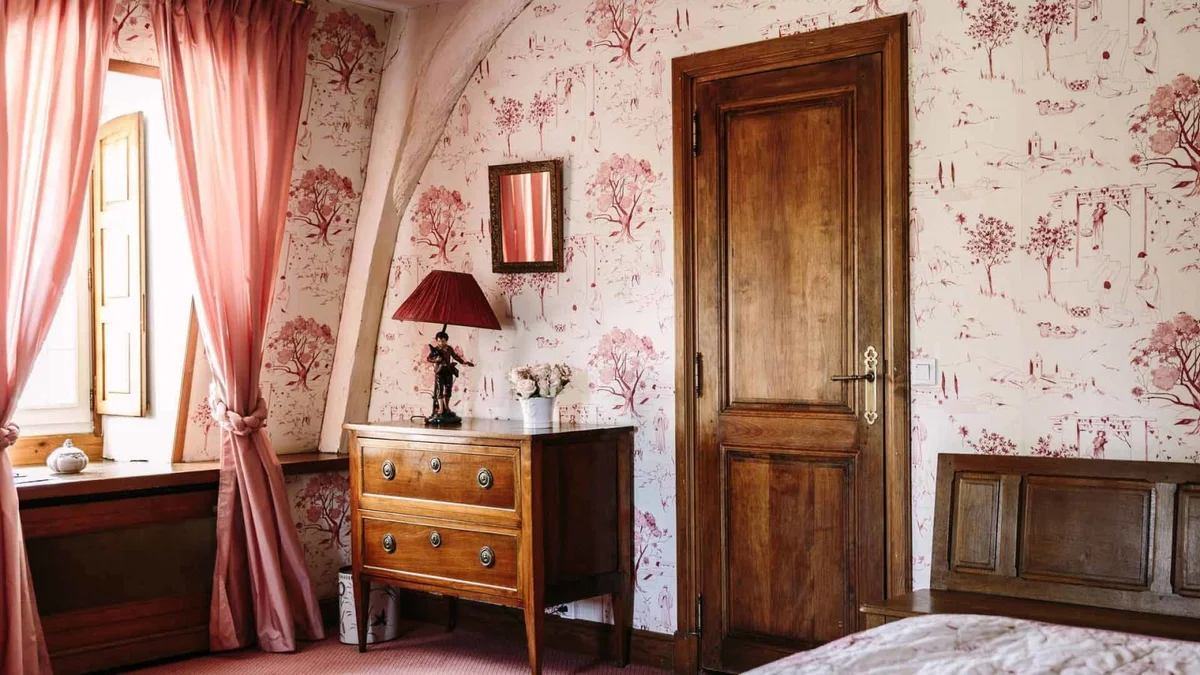
Château de la Treyne
When you book Château de la Treyne in Occitania, France, through our Relais & Châteaux partnership, complimentary perks are included with your stay. No premium credit card or membership needed: request a quote and our advisor books it at the same rate as booking direct.
Exclusive Booking Perks
These perks are included with your stay at the same rate as booking direct with the hotel.
- Complimentary Continental or Buffet Breakfast per night and per person, based Best Available Rate at participating Relais & Châteaux hotels
- VIP Welcome per room and per stay
- Reservations must be made at least 72 hours prior to arrival and are subject to availability
- All offers are subject to the booking and cancellation conditions of each individual property.
Location
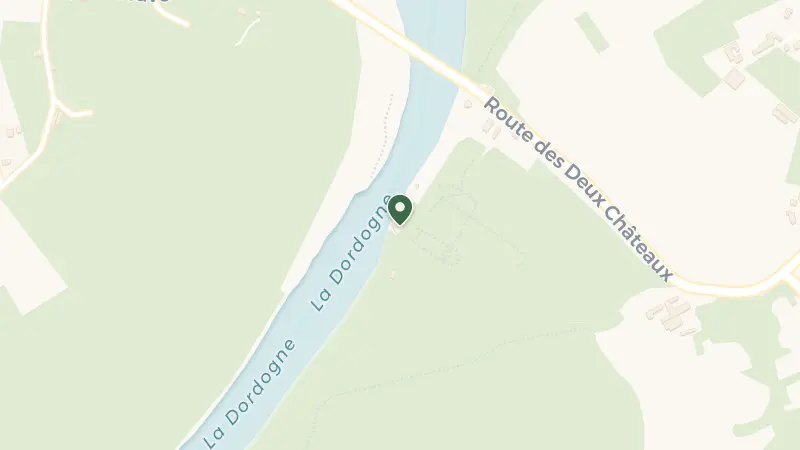
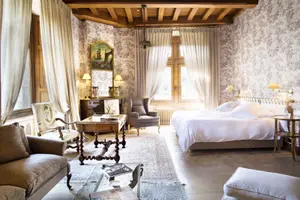
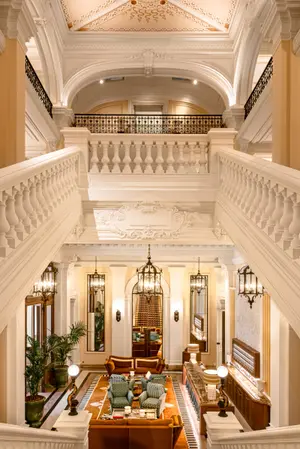
Relais & Châteaux properties understand that luxury means more than polish and thread count. It means permanence, a rooted sense of place, and the kind of hospitality that feels less like service and more like welcome. Château de la Treyne embodies this philosophy in the Dordogne Valley, where the river curves below formal gardens and a stone fortress that has stood since the Middle Ages.
This is Occitania, the storied southern region where the langue d'oc once flourished and where traces of Roman Aquitania linger in village names and ridge-top fortifications. Lacave sits in the Lot department, limestone country carved by millennia of water into caves, sinkholes, and subterranean rivers. The Dordogne meanders past wooded bluffs and ancient châteaux, its banks dotted with riverside beaches and pebble strands where swimmers dive into emerald pools. The light here is softer than in the Mediterranean south, filtered through oak canopies and reflected off pale cliffs.
Brive Souillac airport lies twenty-one kilometres north, a regional gateway that connects this pocket of rural France to Paris and Lyon. The drive from the airstrip follows the river through villages where stone houses cluster around market halls and church squares.
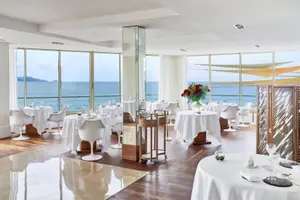
The property's Michelin-starred restaurant serves modern cuisine in a dining room framed by marble floors, coffered ceilings, and a carved wooden fireplace. The terrace overlooks the Dordogne as it bends below the formal gardens, a panoramic sweep of water and wooded bluffs. Book a table here to understand why this spot earned its star. Twenty-seven kilometres east, Les Trois Soleils de Montal holds another star and offers a summer terrace scented by Causse de Gramat scrubland. Twenty-eight kilometres north, Cueillette occupies a nineteenth-century manor with an orchard and kitchen garden, the dining room hung with ceramic apples.
The Vézère Valley, thirty-six kilometres northwest, shelters 147 prehistoric sites and twenty-five decorated caves, a UNESCO ensemble that traces Palaeolithic settlement in remarkable detail. Closer at hand, Émergence de Meyraguet and other limestone springs draw cave divers to crystalline underground rivers. Plage de Meyraguet lies less than a kilometre from the property, a riverside beach where the Dordogne slows into shallows. Start with the Source de Gluges, ten kilometres downstream, where a spring erupts from the cliff face in a curtain of white water.
Summer peaks in July and August, when temperatures climb into the high twenties and the Dordogne warms enough for long afternoons in the water. The air is dry, the riverbanks loud with cicadas, and the evening light lingers past nine. This is high season, when the terrace fills and the caves stay cool.
Spring and autumn balance warmth with moderation, the woods flushing green in April or burnished gold by October. May and June bring wildflowers to the causse and occasional afternoon showers that darken the limestone. September holds the best light: warm days, cooler evenings, and fewer visitors.
Winter turns inward. The château's fireplaces earn their keep, and the valley quiets under low clouds and intermittent rain. Temperatures hover near freezing at night, occasionally dipping below. The caves remain a constant twelve degrees year-round, their darkness unaffected by the season above.
Frequently Asked Questions

Quotes are personally reviewed by Natasha Hardy, founder of The Uncommon Traveller
5.0 rating · 8 Google reviewsThere is no fee or markup. The hotel pays our commission.
Request a Quote 13 Bib Gourmand