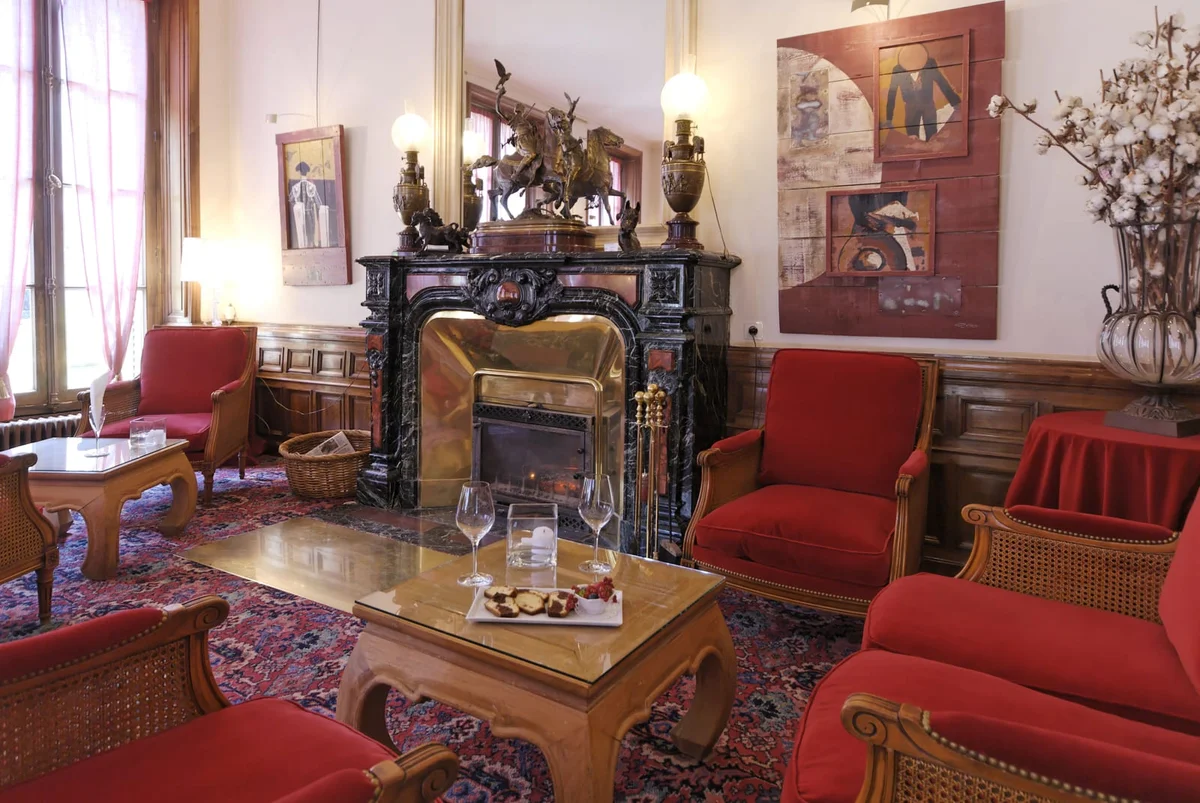
Domaine d'Auriac
When you book Domaine d'Auriac in Carcassonne, France, through our Relais & Châteaux partnership, complimentary perks are included with your stay. No premium credit card or membership needed: request a quote and our advisor books it at the same rate as booking direct.
Exclusive Booking Perks
These perks are included with your stay at the same rate as booking direct with the hotel.
- Complimentary Continental or Buffet Breakfast per night and per person, based Best Available Rate at participating Relais & Châteaux hotels
- VIP Welcome per room and per stay
- Reservations must be made at least 72 hours prior to arrival and are subject to availability
- All offers are subject to the booking and cancellation conditions of each individual property.
Guest feedback
9.1/10 from 97 guest reviews
By category
Guests liked
- Exceptional service
- Beautiful location
- Delicious food
Points to consider
- Limited activities
- Antiquated room furnishings
Location
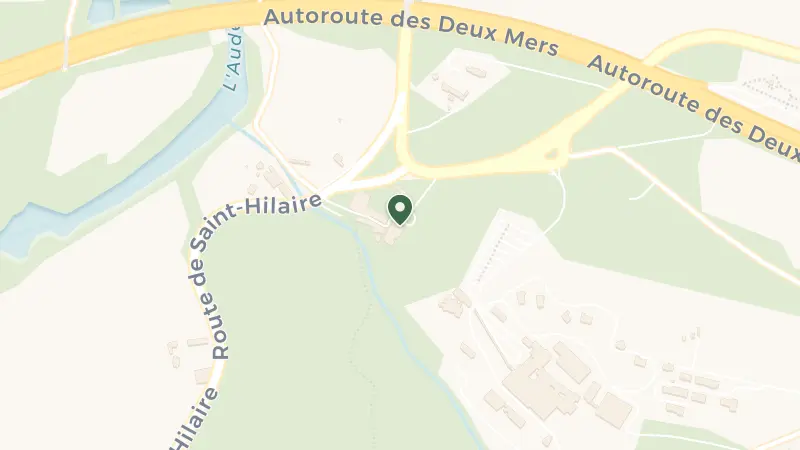
Relais & Châteaux cultivates a tradition of French hospitality refined over generations, championing owner-operated properties where service is both personal and instinctive. Domaine d'Auriac occupies an eighteenth-century estate in Auriac, a commune that bleeds into the southern edge of Carcassonne, where the plains of the Aude valley stretch toward the Corbières hills and the distant Pyrenees. The air here carries the resin scent of Mediterranean garrigue and the earthy sweetness of vineyard rows that stripe the surrounding countryside.
Carcassonne's medieval identity hinges on its citadel, a UNESCO-listed fortress three kilometres north that began as a Visigothic settlement and grew into one of Europe's most complete walled towns. The lower town, la Bastide Saint-Louis, spreads along the Aude with its own measured rhythm: a Wednesday and Saturday market at Place Carnot that spills over with Occitan cheeses and salted anchovies, narrow streets leading to stone bridges, and cafe terraces humming with the rolled vowels of regional French.
The nearest international gateway is Toulouse-Blagnac Airport, ninety-two kilometres northeast via the A61 autoroute. Smaller regional hubs at Castres Mazamet (forty-one kilometres) and Perpignan (sixty-six kilometres) serve seasonal connections. The TGV line terminates in Narbonne, twenty-five minutes by car.
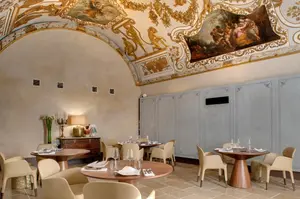
Domaine d'Auriac's own Selected Restaurant serves classic French cuisine in a nineteenth-century setting; when the weather cooperates, the terrace overlooks lawns and cedars. Two kilometres west in the heart of Carcassonne, La Table de Franck Putelat holds two Michelin stars for modern, creative cooking deeply rooted in Languedoc tradition. Gilles Goujon's three-starred Auberge du Vieux Puits anchors the tiny village of Fontjoncouse, forty kilometres southeast in the Corbières, where his sincere, expert cooking has drawn pilgrims for decades. Book well ahead. Golf de Carcassonne lies half a kilometre from the property for early-morning rounds. Start the day at Place Carnot's twice-weekly market to gather provisions: wild asparagus in spring, black truffles in winter, cured sausages year-round.
The citadel's double curtain walls and fifty-two towers demand a full morning. Walk the ramparts at sunrise before tour groups arrive, when the Montagne Noire rises blue on the northern horizon. Six kilometres south, family-run wineries such as Domaine Le Colombies and Château de Gaure offer tastings of Cabardès and Minervois appellations, their cellars cut into limestone. The Canal du Midi, eighty-eight kilometres west, threads through plane-shaded locks built in the seventeenth century; rent a canal boat for an afternoon drift. Don't miss the Episcopal City of Albi, eighty-three kilometres north, where Toulouse-Lautrec's birthplace and the fortified Sainte-Cécile Cathedral anchor a salmon-brick riverside quarter.
July and August bring heat that settles heavy over the plains, temperatures pushing past twenty-eight degrees, the light white and hard by midday. The citadel's stone radiates warmth well into evening; locals retreat indoors until dusk softens the air. This is prime vineyard season, but not for walking tours.
Spring (April through early June) and autumn (September into October) offer the most forgiving conditions. Mornings are cool enough for long walks along the ramparts or through the vineyards, afternoons warm without oppression. May brings wildflowers to the garrigue; September sees the grape harvest and a golden cast to the light that photographers prize.
Winter is mild by northern European standards, though December and January mornings can dip near freezing. Rain arrives in unpredictable bursts, especially October and April. The citadel empties of crowds, and wood fires burn in restaurant hearths. Truffles appear at market stalls, and the Pyrenees carry fresh snow on clear days.
Frequently Asked Questions

Quotes are personally reviewed by Natasha Hardy, founder of The Uncommon Traveller
5.0 rating · 8 Google reviewsThere is no fee or markup. The hotel pays our commission.
Request a Quote 1 Bib Gourmand