Château de Riell
When you book Château de Riell in Occitania, France, through our Relais & Châteaux partnership, complimentary perks are included with your stay. No premium credit card or membership needed: request a quote and our advisor books it at the same rate as booking direct.
Exclusive Booking Perks
These perks are included with your stay at the same rate as booking direct with the hotel.
- Complimentary Continental or Buffet Breakfast per night and per person, based Best Available Rate at participating Relais & Châteaux hotels
- VIP Welcome per room and per stay
- Reservations must be made at least 72 hours prior to arrival and are subject to availability
- All offers are subject to the booking and cancellation conditions of each individual property.
Guest feedback
9.3/10 from 45 guest reviews
By category
Guests liked
- Great location
- Charming ambiance
- Friendly staff
Points to consider
- Lack of spa facilities
- Attention to cleanliness and maintenance needed
Location
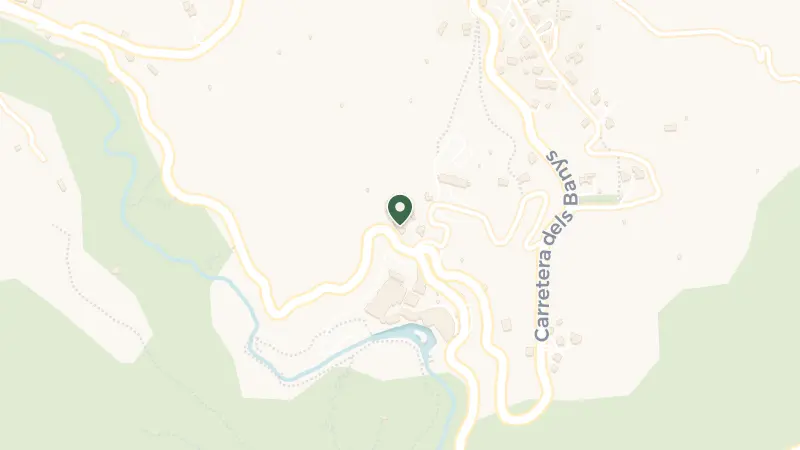
Relais & Châteaux properties occupy a distinct register in the luxury landscape: historic estates where the proprietor's vision shapes every detail, where hospitality flows from personal curation rather than corporate playbook. Château de Riell belongs to this tradition, set deep in the Catalan Pyrenees where Occitania meets Spain and Catalan is still spoken in the valleys. The commune of Molitg-les-Bains lies in a thermal spa region, its name (Molig in Catalan) referencing the hot springs that drew visitors here long before the château stood. Mountain air carries the scent of wild herbs, the sound of rushing water from the Castellane River below.
The property sits within reach of several natural wonders: Salt Gros waterfall crashes just over two kilometres away, and the Cascade du Saint-Vincent and Cascade des Anglais spill from granite cliffs twelve kilometres up-valley. This is walking country, with trails threading through beech and oak forest where shepherds once drove flocks to summer pastures. The nearest substantial town, Prades, lies four and a half kilometres north, its weekly Marché de Producteurs alive with Catalan charcuterie and mountain cheeses.
Perpignan-Rivesaltes Airport sits forty-one kilometres east, a manageable drive through foothills that grow progressively steeper as you climb toward the Spanish border.
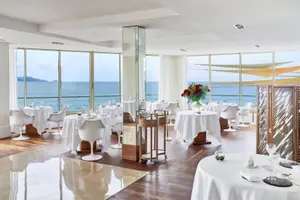
Òliba, the on-site restaurant recognized by Michelin, takes its inspiration from the surrounding Pyrenees: expect mountain herbs worked into a Catalan interpretation of chimichurri, aromas of wild dill and burnet flowers foraged from high meadows. The kitchen builds its menu around locally picked produce, a commitment to terroir that feels rooted rather than rhetorical. Book a table early; this is the kind of dining room where dishes arrive as a dialogue with the landscape outside the windows.
Within an hour's drive, serious gastronomy clusters in the valley towns. Fario, thirty-five kilometres west, holds one Michelin star under chef Kevin de Porre, its name a nod to the regional Fario trout that still swims these rivers. La Galinette, forty-two kilometres away, earned its star through chef Christophe Comes's passion for endemic citrus and olive varieties; he produces his own oils from trees he tends personally. For wine, Les vignerons de Maury (twenty-five kilometres) and the organic Les Terres de Mallyce (twenty-two kilometres) offer tastings of vin doux naturel, the fortified Grenache that has defined this corner of Roussillon for centuries.
Summer in the Pyrenees feels like a reprieve from the coastal heat: July and August reach the high twenties but cool sharply after dark, the air thinned by altitude. Trails stay walkable through midday, and the waterfalls run strongest in June as snowmelt peaks. Thunderstorms sweep through September, dramatic but brief.
Autumn brings the grape harvest and clearer light, temperatures settling into the high teens by October. The vineyards glow amber and rust, and the valleys smell of woodsmoke as hearths are lit again. Winter turns the peaks white, temperatures dipping near freezing at night, though snow rarely lingers in Molitg itself.
Spring arrives late, April still cool and wet as wildflowers begin their slow march up the mountainsides. May is the season of green: meadows flush with new growth, and the air smells of thyme and juniper warming in the sun.
Frequently Asked Questions

Quotes are personally reviewed by Natasha Hardy, founder of The Uncommon Traveller
5.0 rating · 8 Google reviewsThere is no fee or markup. The hotel pays our commission.
Request a Quote 7 Bib Gourmand